
Table of Contents
Quick overview: Quito to Cuenca in a nutshell
Quito and Cuenca sit on the Andean spine of Ecuador, roughly 450–480 kilometers apart depending on the road you take. That distance can mean anything from a 50‑minute flight to an 8–10 hour bus or car journey. Your choice will depend on budget, comfort, time, and whether you want to enjoy the scenery en route.
How to decide: flight, bus or car?
Each option has clear strengths. Flying is fast and convenient but pricier and depends on airports and schedules. Buses are budget-friendly and let you rest overnight, but the trip is long. Driving gives you total freedom — to detour, stop for photos, or visit smaller towns — yet requires focus and careful planning for mountain roads.
Consider these factors before you pick
- Time: How quickly do you need to get to Cuenca?
- Budget: Are you prioritizing cost or comfort?
- Scenery vs speed: Do you want to experience the highland landscapes or simply get there?
- Season and weather: Heavy rains can slow travel in the Andes.
- Mobility and luggage: Buses tolerate bulky luggage; flights have strict limits.
Flying: fast, frequent, and best for short trips
Flight time between Quito (Mariscal Sucre International Airport, UIO) and Cuenca (Mariscal Lamar Airport, CUE) is roughly 45 minutes to an hour in the air. When you factor in check‑in, airport transfer times and possible delays, count on 3–4 hours door‑to‑door.
Pros
- Fastest way to travel between the cities.
- Often the least tiring — ideal if you have limited vacation days.
- Regular service from major carriers means flexible scheduling.
Cons and practical tips
- Flights cost more than buses; fares can rise during holidays and high season. Expect a wide range—promotions sometimes bring fares under $100 one way, while last‑minute tickets may be significantly higher.
- Check baggage allowances carefully. Low fares might include only a small carry‑on.
- The Cuenca airport sits a short drive from the city center — roughly 20–30 minutes depending on traffic — so factor in transfer time and taxi costs.
- Book early for holidays such as Semana Santa, Carnival, and Christmas when routes fill quickly.
Bus: comfortable, scenic, and wallet-friendly
Long‑distance buses are a popular option for locals and visitors. Buses depart from Quito’s Terminal Terrestre Quitumbe in the south of the city and arrive at the Terminal Terrestre de Cuenca. Trip length typically ranges from 8 to 10 hours depending on service type and road conditions.
Types of bus service
- Standard (colectivo/regular): Simple, affordable, often with more stops.
- Luxury/Executive: More legroom, air conditioning, onboard restrooms, and sometimes snacks. These are more comfortable for overnight travel.
- Night buses: Many travelers prefer overnight departures to sleep through the journey and save on a night’s lodging.
Pros
- Often the least expensive choice per person.
- Frequent departures — several services daily, including overnight buses.
- Large luggage is usually accepted and handled by staff.
Cons and smart tips
- Plan for a long day or night on board; comfort varies by company and bus type.
- Bring layers — buses can run cool with air conditioning or feel drafty at high altitude.
- Keep small valuables on your person and consider a money belt for peace of mind.
- Buy tickets at the terminal or online in advance for holiday travel. Stations can be crowded.
Driving: a flexible road trip through the Andes
Driving between Quito and Cuenca gives you the freedom to stop at villages, viewpoints, and national parks. The most common route follows the Panamericana (E35) and goes past Latacunga, Ambato, and Riobamba. Depending on traffic and stops, expect 7–10 hours behind the wheel.
Why choose to drive?
- You control the schedule and can detour to places like Alausí (Devil’s Nose), Ambato, or even Otavalo if you make a longer trip of it.
- Great for groups or families where per‑person transport cost of a car rental can be competitive with multiple plane tickets.
- Ideal for photographing Ecuador’s dramatic mountain scenery at your own pace.
Roads, regulations and safety tips
- Mountain roads can be steep, winding, and occasionally narrow. Drive conservatively and watch for trucks and slow vehicles.
- Check your rental insurance carefully. Confirm whether it covers mountain driving and roadside assistance.
- Fuel stations are frequent along main routes, but remote stretches may have limited services—top up in major towns.
- Allow extra time for police checkpoints or slow assemblies of local traffic, particularly around market days.
- Parking in Cuenca’s historic center can be tight. Look for paid parking garages or select a hotel with parking.
Scenic stops worth considering en route
A self-drive or even a bus that stops allows you to experience highlights you’d miss by flying.
- Riobamba: A great place to stretch your legs and get views of Chimborazo on clear days.
- Alausí and the Nariz del Diablo (Devil’s Nose): Famous railroad switchbacks — consider timing if you want to take the scenic train ride.
- Ambato: Known for its fruits and the Santo Domingo church; a handy stop for food or rest.
- Guamote and small mountain villages: Experience highland markets and local life away from tourist crowds.
Cost comparison and budgeting tips
Costs vary by season, comfort level, and how far ahead you book.
- Flights: Typically the most expensive option but watch for promotional fares. Book in advance for best prices.
- Buses: Most economical—standard fares are low, while executive buses are mid‑range and still cheaper than flying for most people.
- Driving: Factor in rental car cost, insurance, fuel, tolls, and parking fees. For two or more travelers, it can be comparable or cheaper than two plane tickets.
Practical arrival tips for Cuenca
Once you arrive, Cuenca welcomes you with a compact, walkable historic center, tree‑lined streets, and a relaxed expat scene.
Where to get your bearings
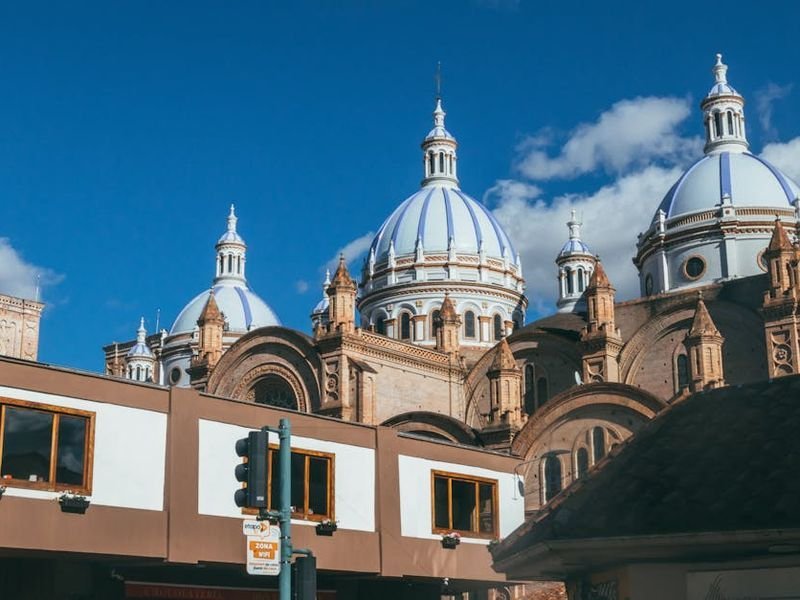
- Historic Center (Centro Histórico): A UNESCO World Heritage area with cobblestone streets, plazas, and the striking cathedral with its distinctive blue domes.
- Tomebamba River: The riverside promenades are perfect for strolling and orienting yourself in the city.
- El Centro Market and Parque Abdon Calderon: Good places to stop for local food, people‑watching, and quick supplies.
Food, lodging and practicalities
- Try local specialties like mote (corn stew), hornado, and cuy (guinea pig) at traditional eateries or mercados.
- Cuenca has a wide range of accommodations from hostels and mid‑range hotels to charming boutique stays in restored colonial buildings.
- If you’ve rented a car, many hotels offer secure parking; ask when booking if this is a priority for you.
Health, altitude and weather considerations
Quito sits at about 2,850 meters (9,350 ft) and Cuenca around 2,550 meters (8,370 ft). If you arrive to Ecuador at sea level, consider spending a day in Quito to acclimatize before heading further into the highlands. Symptoms of mild altitude sickness include headache, fatigue and shortness of breath — rest, hydrate, and avoid heavy exertion on your first day.
Safety and common-sense travel advice
Travel between Quito and Cuenca is routine for residents and visitors alike, but keep these tips in mind:
- Use official taxis or ride‑hail apps in both cities, and verify fares in advance if the driver doesn’t use a meter.
- At bus terminals, keep an eye on your luggage, and use the official baggage check services.
- Avoid flashing expensive electronics in crowded areas. Keep photocopies of your passport and travel documents separate from the originals.
- If you’re driving, don’t leave valuables visible in your vehicle when you park.
Which option is best for different travelers?
Here’s a quick decision guide:
- Short on time: Fly—fast and efficient.
- Traveling solo on a budget: Night bus—saves on a night’s lodging and is inexpensive.
- Group/family or photography enthusiast: Drive—flexibility to stop and explore.
- Want comfort without flying: Executive bus—good reclining seats and onboard amenities.
Final checklist before you travel
- Confirm your reservation and arrival/departure times the day before travel.
- Have local currency (USD is Ecuador’s official currency) and small bills for taxis and tips.
- Pack layers — Andean weather changes quickly and evenings can be cool.
- Bring chargers and a power bank; long journeys and airports can mean long waits for outlets.
- Carry a printed or offline map of Cuenca and key addresses (hotel, emergency contacts).
Enjoying Cuenca after you arrive
Once you get to Cuenca, take time to enjoy its relaxed pace. Visit the Parque Calderón, climb the cathedral towers for sweeping views, and explore artisan markets for Panama hats and handwoven goods. If you like nature, day trips to El Cajas National Park offer high Andean lakes and powerful scenery less than an hour from the city.
Choosing how to travel from Quito to Cuenca depends on your priorities: speed, savings, or scenic freedom. With a little planning, you can match the route to your mood — whether that’s a quick flight, a restful overnight bus, or an adventurous road trip across Ecuador’s spectacular highlands.
Buen viaje — enjoy the road (or the sky) and savor your time in Cuenca.