
Table of Contents
Overview: Quito to Cuenca — three good options
Traveling between Quito and Cuenca is one of the most common journeys for visitors and expats in Ecuador. You’ll cover roughly 450–500 km through the Andean highlands, passing markets, volcanoes and tiny mountain towns. Deciding whether to go by bus, plane or car depends on your budget, comfort needs and appetite for adventure. This guide breaks down each option with practical tips, estimated costs and recommended stopovers so you can choose wisely.
Quick comparison: time, price and comfort
Before diving into details, here’s a high-level snapshot to help you choose at a glance:
- Plane: Fastest (about 45–60 minutes of flight time), higher cost, best for saving time or avoiding long mountain roads.
- Bus: Most economical and eco-friendly per traveler, but slow (8–11 hours), with a range of comfort levels from basic to executive coaches.
- Car: Offers flexibility and scenic stopovers, typically 8–10 hours driving depending on route and traffic; fuel and parking costs apply.
Flying Quito → Cuenca: speed and convenience
Flights between Quito’s Mariscal Sucre International Airport (UIO) and Cuenca’s Mariscal Lamar Airport (CUE) are short and convenient. Flight time in the air is under an hour, but allow time for arriving early, security and transfer at both ends. Domestic carriers such as Avianca and LATAM frequently offer these routes — check their sites or local travel platforms for current schedules and fares.
Practical tips for flying
- Book in advance to get the best fares; last-minute domestic tickets can rise sharply, especially during holidays.
- Carry-on only: if you’re trying to save time, bring only hand luggage — small airports process light travelers faster.
- Transfers in Quito: the airport is about 40 minutes from central Quito without traffic. Plan ground transport accordingly if you’re staying in the city beforehand.
- Arriving in Cuenca: the city center is about 20–30 minutes from the airport depending on traffic; taxis or hotel shuttles are easy to find.
Who should fly?
Choose the plane if you value time, have tight schedules, or prefer to avoid long hours on winding mountain roads. This is a particularly sensible option for older travelers, families with young children, or anyone connecting to other flights.
Bus travel: budget-friendly and scenic
Buses are the classic way to travel within Ecuador. From Quito to Cuenca the journey runs through dramatic highland scenery — volcanic peaks, agricultural valleys and traditional Andean towns. Services range from standard public buses to executive “cama” or “ejecutivo” coaches with reclining seats and onboard amenities.
Where to catch the bus in Quito
Most long-distance buses leave from Quito’s main southern terminal, Terminal Terrestre Quitumbe. Arrive 30–60 minutes before departure if you need to buy tickets or check luggage. You can purchase tickets at terminals, small travel agencies around the city, or through online platforms that aggregate schedules.
What to expect on board
- Duration: typically 8–11 hours depending on the service (express vs. local) and road conditions.
- Comfort: higher-tier coaches have wider seats and sometimes onboard restrooms; lower-cost buses are more basic but still serviceable.
- Stops: regular rest stops for food and bathroom breaks; bring small local cash for snacks and quick buys.
- Safety: reputable companies operate the route; choose daytime departures if you prefer to see the landscape and reduce mountain driving risks at night.
Cost and booking
Bus fares vary by class. Expect the cheapest seats to be the best value for solo budget travelers, while executive services cost more but offer greater comfort. Prices change seasonally — book bus travel in advance during national holidays or festival weeks.
Who should take the bus?
Take the bus if you want to save money, are comfortable with longer travel times, and want to experience the Andean scenery. Backpackers, students and eco-minded travelers often choose this option. It’s also a good choice if you’re carrying more luggage than most airlines allow for domestic fares.
Driving Quito → Cuenca: independent and scenic road trip
Driving gives you freedom to stop where you want, explore off-the-beaten-track towns and break the journey into multiple days. The drive takes roughly 8–10 hours without long detours, and you’ll travel over high mountain passes and picturesque valleys.
Best routes and recommended stops
The most common route follows the Panamericana south, passing through or near cities like Ambato and Riobamba before descending toward Cuenca. Suggested stopovers include:
- Ambato: a good place for a coffee and to sample local fruit markets and traditional dishes like mote pillo.
- Riobamba: gateway to Chimborazo province — consider a short detour if you want mountain views or to visit the local mercado.
- Alausi and the Devil’s Nose: if you want a famous train viewpoint, Alausi is an interesting cultural stop.
- Azogues: a common stop before final approach into the Cuenca valley.
Driving tips and safety
- Plan daytime driving: mountain roads are more challenging at night, with fog, livestock crossings and fewer services.
- Fuel and maintenance: fill up in larger towns; gas stations are frequent along the Panamericana but less common on smaller detours.
- Altitude and weather: prepare for rapid weather changes and high altitudes. Keep warm layers and water in the car.
- Navigation: offline maps or a local SIM with data are useful — GPS coverage is generally good but verify routing before you leave.
- Parking in Cuenca: the historic center has narrow streets; use hotel parking if available or park in secure public lots and walk into town.
Rental cars and local rules
If you rent, inspect insurance coverage carefully — ask about cross-border restrictions (if relevant) and whether roadside assistance is included. In Ecuador, driving tends to be more relaxed than in North America or Europe; remain vigilant, obey speed limits and anticipate informal road behavior from some drivers and livestock on rural stretches.
Choosing the best option for your trip
Ask yourself these questions to decide:
- How much time do I have? If tight, fly. If flexible, drive or bus.
- What’s my budget? Bus is usually cheapest, driving can be economical for groups, flying is costlier but fastest.
- Do I want to see the countryside? Drive or bus — both offer scenic views; driving gives the most flexibility.
- How comfortable do I need to be? Executive buses or flights increase comfort; driving depends on your endurance and vehicle.
Arriving in Cuenca: what to expect
Cuenca is a compact, walkable city with a polished colonial center — the Historic Center and Parque Calderón are the heart of the action. Whether you arrive by plane, bus or car, take a moment to adapt to the altitude (Cuenca sits around 2,500–2,600 meters) and enjoy local comforts:
- Local transport: taxis are affordable; there is a reliable public bus network. Ride-hailing apps may operate in the city, but availability varies; have local cash ready for taxis.
- Food to try: try hornado (roast pork), locro soup, and the region’s signature sweets. If adventurous, cuy (guinea pig) is a local specialty often offered in traditional restaurants.
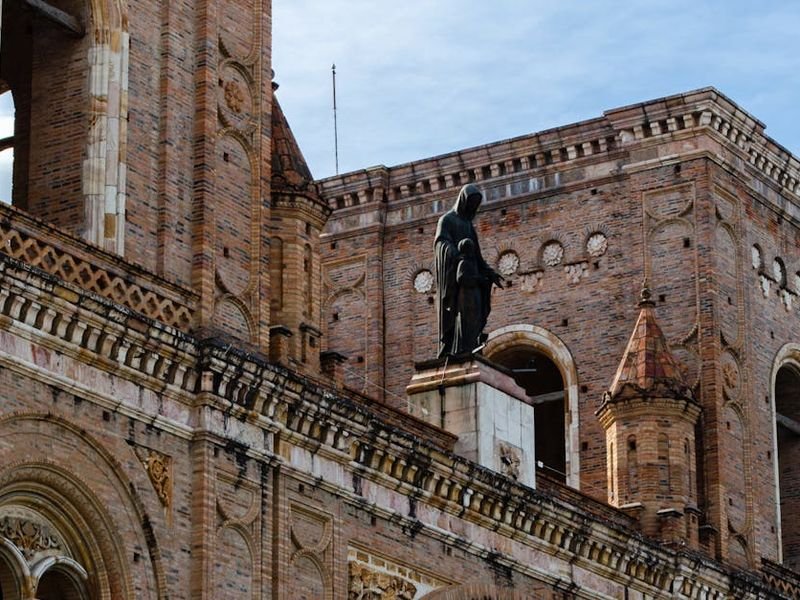
- Explore: don’t miss the Cathedral of the Immaculate Conception (blue domes), the Museo Pumapungo and the markets for Panama hats and ceramics.
Budgeting: sample costs (estimates)
These are rough ranges to help you plan. Prices change with season, demand and promotions.
- Flights Quito–Cuenca one-way: roughly $50–$150 depending on time and carrier promotions.
- Bus Quito–Cuenca one-way: approximately $10–$30 depending on class.
- Driving costs: fuel for the trip can vary by vehicle efficiency; ballpark $40–$80 one-way before tolls and parking (if shared among passengers, this can be economical).
Insider tips to make the trip smoother
- Book ahead during peak times: Semana Santa, summer months and national holidays fill up buses and flights fast.
- Pack layers: weather changes with altitude — mornings and evenings are chillier than midday.
- Keep cash handy: smaller vendors at bus stops and markets may not accept cards.
- Stay hydrated and move around: for long bus trips, walk during rest stops to reduce stiffness and help with altitude acclimation.
- Local SIM/data: having mobile internet makes navigation and ride-hailing easier, and helps check flight or bus updates in real time.
Sample itineraries
Two sample plans depending on your pace and interests:
Leisure road trip: 2–3 days
- Day 1: Quito to Ambato (stop for market and lunch) then overnight in Riobamba.
- Day 2: Morning hill viewpoint at Chimborazo area (if weather allows), continue to Alausí for the viewpoint and overnight near Azogues or early-arrive in Cuenca to stroll the historic center.
- Day 3: Full day exploring Cuenca and surrounding Cajas National Park.
Fast and efficient: 1-day travel
- Option A: Fly Quito → Cuenca in the morning, arrive mid-morning and spend the day exploring.
- Option B: Leave Quito early by executive bus and arrive in Cuenca by evening, ready to sleep and start exploring the next day.
Final thoughts
Quito to Cuenca is more than a transfer — it’s an opportunity to experience Ecuador’s Andean landscapes and culture. Whether you choose the speed of a flight, the economy and local flavor of a bus, or the liberation of a road trip, each option has advantages. Consider your timeline, budget and travel style, then plan a route that matches your priorities. Once you arrive, Cuenca’s calm plazas, colonial churches and culinary delights make the trip worth every kilometer.
Safe travels — and don’t forget to leave time to wander Cuenca’s cobblestone streets, sample local foods and soak up the city’s welcoming atmosphere.