
Table of Contents
Quick overview: Quito to Cuenca — what to expect
Quito and Cuenca are two of Ecuador’s most beloved cities, each with highland charm, rich history, and comfortable altitudes. Traveling between them is a common route for locals and visitors alike. Your best option depends on budget, time, and whether you want to prioritize speed, scenery, or flexibility. In this guide you’ll find clear comparisons of flying, taking the bus, and driving, plus local tips for making the trip safe, scenic, and stress-free.
Why choose one option over another?
Choose to fly if you value time — flights are short and widely available. Take the bus if you want to save money and don’t mind an overnight or daytime journey that can be comfortable and economical. Rent a car if you want full control over stops and schedules and plan to explore the highland towns and parks along the way.
By plane: fastest way, with a few logistics to mind
Airlines and schedule
Domestic flights between Quito (Mariscal Sucre International Airport, UIO) and Cuenca (Mariscal Lamar Airport, CUE) take roughly 45–60 minutes in the air. Major carriers serving the route vary by season, but you’ll typically find several daily departures on national and regional airlines. Booking in advance usually yields the best fares and seat selection.
Practical tips for flying
- Arrive at Quito’s airport at least 90 minutes before departure — UIO is outside the city and transit times can be long due to traffic.
- Check luggage allowances for domestic flights; lower-cost fares sometimes restrict checked bags.
- Flight prices change quickly; search tools like Google Flights or Skyscanner plus local airline sites help compare schedules and rules.
- On arrival in Cuenca, the airport sits about 6–10 km from the historic center (roughly 20–30 minutes by taxi). Taxis and airport shuttles are available, and fares are generally affordable but confirm prices before you board.
When flying makes sense
Fly if you have limited time, are coordinating with a tight itinerary, or prefer to avoid long hours on winding mountain roads. Flights are ideal for one-way travel when continuing on to other destinations or when connecting with international flights originating in Quito.
By bus: budget-friendly with comfortable options
Terminals and boarding points
Long-distance buses from Quito to Cuenca generally depart from Quito’s southern terminal (Terminal Terrestre Quitumbe) and sometimes from other city terminals depending on the operator. In Cuenca you’ll arrive at the Terminal Terrestre de Cuenca, which is a short taxi ride to the historic center.
Types of buses and what to expect
Buses on this route come in a range of classes — from standard seats to more comfortable ‘ejecutivo’ or ‘semi-cama’ coaches with wider reclining seats and occasional onboard amenities such as USB charging or intermittent Wi‑Fi. Night buses are popular because you save on a night’s accommodation and wake up in Cuenca.
Journey time and comfort tips
- Expect roughly 8–10 hours by bus, depending on route and traffic. Overnight trips are common.
- Bring earplugs, a travel pillow, and layers — buses can be cool at night and in highland climates.
- Keep valuables on your person. Bus terminals are busy; use luggage locks and label your bags.
- Buy snacks and water before boarding; while some buses stop for brief breaks, service can be limited.
Booking and cost
Tickets can be purchased at terminals, through local travel agencies, or online using regional booking platforms. Bus fares are generally the most economical of the three options and are ideal for travelers on a budget or those who prefer not to fly. During national holidays and high season, book at least a few days ahead to secure the class and departure time you want.
By car: the most flexible and scenic option
Driving route and travel time
The most direct driving route from Quito to Cuenca follows the Pan-American (E35) south through Ambato, Riobamba, and Alausí toward Cuenca. The trip covers roughly 450–500 kilometers and typically takes around 8–10 hours of driving time, depending on stops and road conditions.
Road conditions and driving style
Roads between Quito and Cuenca are generally paved and well-maintained along the main highway, but mountain driving requires attentiveness. Expect winding sections, altitude changes, and occasional construction. Take extra care in poor weather; fog and rain can reduce visibility on mountain passes.
Car rental and fuel
- Major international and local rental agencies operate in Quito, including at the airport — compare rates and insurance packages.
- Fuel stations are frequent along the Pan-American corridor but fill up in larger towns if you plan side trips to more remote areas.
- Factor in rental insurance, an Ecuadorian driver’s license or valid international license, and road rules — driving is on the right-hand side.
When driving makes sense
Rent a car if you want to explore off-the-beaten-path attractions like Cajas National Park, Alausí (Devil’s Nose train), or smaller indigenous markets at your own pace. Driving is also great for photography stops, detours, and traveling with family gear or pets.
Scenic stops and detours worth adding to your itinerary
One of the benefits of driving (or combining bus/rail options with short drives) is that there are beautiful highland towns and parks along the way:
- Ambato — known for its lively markets and the city’s unique culinary traditions; a good place for a meal stop.
- Riobamba — a gateway to Chimborazo; consider a short visit if you want mountain panoramas.
- Alausí — home to the famous Devil’s Nose (Nariz del Diablo) train; great for a historic railway experience.
- Cajas National Park (near Cuenca) — alpine lakes, páramo landscapes, and excellent hiking, reachable within an hour of Cuenca.
Arrival in Cuenca: where to go and what to expect
Getting from the bus terminal or airport to the historic center
From the Terminal Terrestre de Cuenca, a taxi ride to Parque Calderón (the city’s main square) takes roughly 10–20 minutes depending on traffic. At the airport, taxis are available directly outside arrivals. Always ask for an estimated fare or use a local ride app if available. In Cuenca, many drivers accept cash; small bills are handy.
First impressions: what not to miss
Cuenca’s compact UNESCO-listed historic center rewards a relaxed walking pace. Make time for:
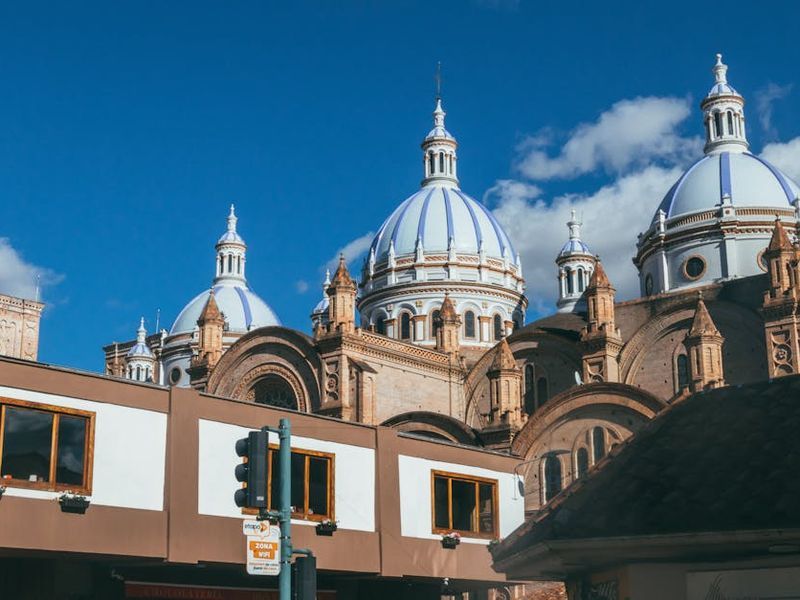
- Parque Calderón and the Catedral Nueva — the blue-domed cathedral is iconic and visible from many vantage points.
- The Tomebamba River and the Barranco — riverside walks with charming colonial architecture.
- Central markets like 10 de Agosto — authentic local foods, fruits, and handicrafts.
- Artisan workshops for Panama hats (locally made) and ceramics — great for souvenirs.
Costs, budgeting and time comparisons
Here’s a quick comparison to help decide: flying is the fastest but tends to be the most expensive option per trip; buses are the cheapest and offer overnight travel options; driving offers flexibility and the chance to explore, but car rental and fuel add up. Exact prices fluctuate by season and booking time, so use a range estimate and check current rates before planning.
Safety, health, and practical travel tips
- Altitude — Quito sits at ~2,850 m and Cuenca at ~2,560 m. If you’ve been in Quito, you’re likely acclimated; however, hydrate, move slowly on arrival, and avoid strenuous exertion the first day if you feel lightheaded.
- Local currency — Ecuador uses the US dollar. Carry small bills and coins for taxis and markets.
- Mobile coverage — good across the main highway; local SIMs from Claro or Movistar offer broad coverage in highland areas.
- Safety — both Quito and Cuenca have safe tourist zones, but standard precautions apply: watch your belongings in crowded places, avoid unlit streets at night, and use official taxis when possible.
- Peak travel times — national holidays (Ecuador’s Semana Santa and end-of-year holidays) see higher travel demand. Book transport early if traveling during those periods.
Sample itineraries based on travel style
Speed-focused (short trip, limited time)
Fly Quito to Cuenca in the morning (45–60 minutes), arrive before lunch, spend the afternoon exploring Parque Calderón and the Barranco, and use the next day for Cajas National Park or museums.
Budget-conscious (economy and experience)
Take an overnight bus from Quitumbe to Cuenca. Sleep on the coach, arrive early to maximize your stay, and spend saved money on local cuisine and a guided walking tour.
Scenic road trip (flexible, exploratory)
Rent a car, drive south with stops in Ambato and Riobamba, take a detour to Alausí for the Devil’s Nose railway experience, and finish with two nights in Cuenca plus a day trip to Cajas National Park.
Final tips and recommended checklist
- Book flights or long-distance bus tickets in advance during holidays.
- Keep a small backpack with essentials for bus rides and car stops: water, snacks, a jacket, and a power bank.
- Have small USD bills ready for taxis and tips.
- Download offline maps and have an offline copy of your reservations (hotel, transport) in case mobile data is spotty along the route.
- Consider travel insurance that covers domestic flights and road incidents if you’re renting a car.
Whether you choose a quick flight, an inexpensive overnight bus, or a flexible road trip, the Quito-to-Cuenca corridor showcases Ecuador’s Andean heartland. Plan according to your priorities — time, budget, or adventure — and you’ll arrive ready to enjoy Cuenca’s colonial plazas, riverside walks, artisanal markets, and nearby natural wonders.