
Table of Contents
Why choosing the right route between Quito and Cuenca matters
Quito and Cuenca are two of Ecuador’s most fascinating cities — the high-altitude capital full of energy and museums, and the colonial charm of Cuenca’s cobblestone center. The trip between them crosses high Andean landscapes, volcanic views and historic towns, and the best transportation option depends on how you value time, budget, comfort and scenery.
Quick comparison: plane, bus, or car
Here’s a snapshot to help you decide before we dive into details:
- Plane: Fastest (about 1 hour in the air), ideal if you’re short on time; prices vary widely and baggage rules can add cost.
- Bus: Cheapest and most common for travelers on a budget; expect an 8–10 hour trip with overnight options and daytime routes through spectacular landscapes.
- Car: Most flexible — take detours, stop at viewpoints, or break the drive into a multi-day itinerary; driving takes 7–9 hours depending on stops and conditions.
Flying: fastest and convenient if booked smart
Flights from Quito’s Mariscal Sucre International Airport to Cuenca’s Mariscal La Mar Airport take roughly 50–70 minutes in the air. Factor in the time to get to Quito’s airport (typically 45–60 minutes from central Quito) and security procedures — your door-to-door time can still be 3–4 hours, but that’s often shorter than bus travel.
Practical tips for flying
- Book early for lower fares — last-minute fares can jump. Watch for sales and mid-week flight deals.
- Check baggage rules carefully. Budget fares may exclude checked bags, and domestic weight limits are stricter than international itineraries.
- Arrive at Quito airport at least 60–90 minutes before departure for domestic flights; lines can be long during peak season.
- Taxi or ride-hailing from Cuenca airport to the historic center typically takes 20–30 minutes; have cash or confirm app payment options.
Bus: economical, comfortable options and scenic routes
Buses between Quito and Cuenca are plentiful and used by locals and travelers alike. Travel time is most often 8–10 hours depending on whether you take a direct express service or a route with stops. Night buses offer the convenience of sleeping en route and arriving refreshed in the morning, while daytime buses let you watch the changing landscape: volcanic plateaus, agricultural valleys and dramatic mountain passes.
Where buses depart and arrive
In Quito, most long-distance buses leave from the large bus terminals in the south (Quitumbe) or the north, depending on the company. In Cuenca you’ll arrive at the Terminal Terrestre, which is located outside the historic center. From there short taxis or local buses will get you into the heart of the city in 10–20 minutes.
Types of bus services
- Standard/Route Buses: Economical and frequent; basic seating and stops at small towns.
- Executive or Semi-Cama: More comfortable seats, extra legroom, and sometimes onboard toilets — a good middle ground for long trips.
- Overnight Premium Buses: Reclining seats that nearly lie flat, sometimes with blankets and pillows — ideal if you want to save a night’s accommodation.
Tips for taking the bus
- Buy tickets in advance during holidays (Easter, Christmas, summer) when demand is high.
- Bring snacks, water and a light jacket — temperatures can vary a lot at high altitudes.
- Keep valuables on your person or in a small daypack on board; buses make meal and restroom stops at highway service areas.
- Choose a daytime seat on the right-hand side for some excellent valley and mountain views heading south from Quito.
Driving: the scenic, flexible option
Driving from Quito to Cuenca is an adventure in itself. The trip is roughly 450–500 kilometers depending on your route and detours, and typically takes 7–9 hours of driving time. The road traces parts of the Pan-American highway and winds through highland valleys, crosses mountain passes, and skirts volcanic landscapes.
Recommended stops and detours
If you have time, this route rewards you with many worthwhile stops. Here are a few favorites:
- Latacunga: A good first stop for breakfast and a chance to stretch. The town sits near the scenic rise toward the central highlands.
- Quilotoa: A detour west to the spectacular crater lake is possible if you have several hours (or an overnight) to spare.
- Riobamba and Chimborazo: Stop for views of Chimborazo volcano and a lunch break; the highway approaches impressive highland scenery near here.
- Alausí: Consider a short diversion for the Devil’s Nose train experience (book ahead if in season).
Driving conditions and safety
- Roads between major cities are generally paved and maintained, but expect occasional construction, narrow mountain stretches and slow-moving trucks.
- Drive during daylight if possible — visibility is better, and roadside services are available more frequently.
- Bring a spare tire, basic tools, warm clothing and water. While cell coverage is decent in many areas, there are remote stretches where signals falter.
- Watch for livestock and pedestrians in rural areas and mountain curves with limited sightlines.
Costs for a self-drive
Factor in rental car daily rates, fuel (Ecuador uses US dollars), tolls and parking. A one-way drive’s fuel cost depends on vehicle efficiency but often falls in the $50–$120 range for standard cars; tolls on the main highways are small per station but add up to around $10–$20 for the full trip. Also confirm one-way drop fees with rental companies if you don’t return to Quito.
Is the train an option?
There is no direct passenger train service that connects Quito and Cuenca as a regular intercity route. Ecuador’s tourist trains operate on scenic sections — including the famous ‘Devil’s Nose’ near Alausí — and can be woven into a road-based itinerary if you plan to detour and book in advance. For practical, reliable point-to-point travel, planes, buses and driving remain the main choices.
Arrival in Cuenca: where to go next
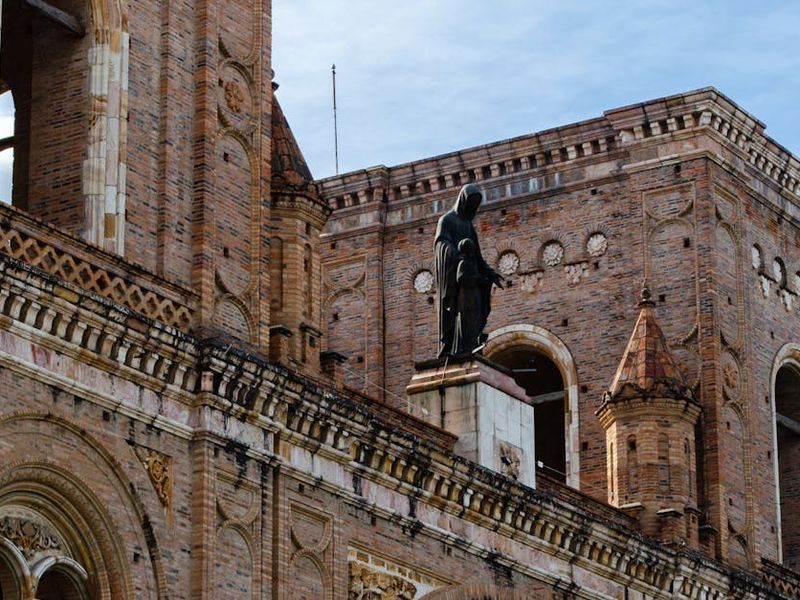
Cuenca welcomes new arrivals with a compact, walkable historic center, designated a UNESCO World Heritage Site. The main square, Parque Calderón, is a great place to begin exploring, with the striking blue-domed New Cathedral nearby. If you arrive by bus or car, head to the historic district to drop your luggage and then explore the riverfront along the Tomebamba for charming cafés and artisan shops.
Practical arrival tips
- If you land at Cuenca’s airport, have a confirmed taxi or ride-share arranged in advance during busy periods; meter taxis and flat-rate airport taxis operate regularly.
- From the bus terminal, local buses and taxis can take you to the city center; the short ride is inexpensive and quick.
- Pick up a local SIM card or use Wi-Fi to confirm transportation and accommodation details on arrival.
Which option should you choose?
Here’s a quick decision guide:
- Choose flight if you’re short on time, traveling with limited flexibility, or connecting to an international flight.
- Choose bus if you want the cheapest option and don’t mind a long ride — or if you enjoy seeing the countryside without the stress of driving.
- Choose car if you want freedom to explore, stop at viewpoints, and craft a flexible itinerary with overnight detours.
Additional safety and comfort tips
Altitude: Quito is around 2,850 meters and Cuenca about 2,500 meters above sea level. Generally travelers acclimatize easily between the two cities, but take it easy if you have recent respiratory issues or feel unwell.
Money and payment: Ecuador uses the US dollar. For buses and taxis, having small bills and change is useful. Major airlines and larger bus companies accept cards online, but local vendors and some bus terminals may be cash-only.
Security: Take the same precautions you would in any city — keep valuables out of sight, use reputable taxi services or ride-hailing apps, and avoid walking alone at night in unfamiliar neighborhoods. On buses, store large luggage in the hold but keep passports, money and electronic devices on your person.
Sample itineraries
To help finalize your plan, here are two sample itineraries based on different travel styles:
- Fast and efficient: Morning flight from Quito to Cuenca, quick taxi to the historic center, afternoon walking tour of Parque Calderón and the cathedral, evening at a riverside restaurant.
- Scenic and unhurried: Rent a car in Quito, stop in Latacunga for breakfast, detour to Quilotoa for a hike and lunch, continue to Riobamba for an overnight with Chimborazo views, then drive to Cuenca the next day with a late afternoon arrival.
Final thoughts
Travel between Quito and Cuenca is more than moving between two cities — it’s a chance to cross the heart of the Ecuadorian Sierra and experience volcanic peaks, local markets and small towns that rarely make tour itineraries. Whether you fly for speed, ride a bus for economy, or drive for freedom, plan with flexibility (and layers of clothing), and leave room to stop when a viewpoint or roadside market calls your name.
Safe travels — and when you reach Cuenca, give yourself time to wander the plazas, peek into artisan shops, and soak up the mellow pace that makes the city such a beloved destination.