
Table of Contents
Overview: Choosing the Best Way to Travel Between Quito and Cuenca
Quito and Cuenca are two of Ecuador’s most beloved cities—Quito with its dramatic high‑altitude capital energy, and Cuenca with a relaxed colonial center and UNESCO‑listed architecture. The roughly 450–480 km (280–300 mile) separation can be bridged by plane, bus, or car, and each option fits a different travel style. This guide breaks down travel time, costs, comfort, logistics and scenic opportunities so you can pick the route that suits your trip.
Quick Comparison at a Glance
- Plane: Fast—about 45–60 minutes flight time; best for saving time but requires airport transfers and early check‑in.
- Bus: Cost‑effective and convenient; expect 8–10 hours. Night buses remove one night’s accommodation but add fatigue.
- Car: Flexible and scenic; drives usually 8–10 hours depending on stops. Great for detours (Ingapirca, Alausí) but requires confidence on mountain roads.
Flying: Fastest, Good for Tight Timetables
Flight time between Quito (Mariscal Sucre International, UIO) and Cuenca (Mariscal La Mar/CUE) is under an hour. Major domestic carriers often run multiple flights daily. For business travelers or anyone short on time, flying is the quickest option.
Pros
- Time‑efficient—one hour in the air versus most of a day by road.
- Frequent schedules on busy travel days.
- Quick access to Cuenca’s tiny airport—taxi or shuttle to the city center is typically 15–30 minutes.
Cons and Practical Tips
- Airfare fluctuates—book in advance for best prices (watch for promo fares and midweek discounts).
- Allow extra time for airport transfers and security—Quito’s airport is about 40–60 minutes from downtown depending on traffic.
- Mountain weather can cause delays or cancellations—have a flexible onward plan.
Practical tip: If you’re combining flights with city plans, factor in the time saved versus the hassle of getting to and from airports. For short stays in Cuenca a direct flight can be a huge time saver.
Bus: Budget‑Friendly, Comfortable, and Scenic
Buses are a popular, economical option between Quito and Cuenca. The route uses the Panamericana (E35) and passes highland towns such as Latacunga, Ambato and Riobamba. Journey time typically ranges from 8 to 10 hours depending on service level and stops.
Types of Bus Services
- Standard intercity buses: Regular seating, frequent stops, good for budget travelers.
- Semi‑cama or cama buses: Reclining seats, more legroom—ideal for overnight or longer rides.
- Express services: Fewer stops, slightly more expensive, quicker travel times.
Where Buses Depart and Arrive
In Quito, most long‑distance services leave from the main terminals—Quitumbe (southern terminal) and sometimes terminals in the north. In Cuenca, buses arrive at the central Terminal Terrestre. It’s a short taxi ride from the terminal into the historic center.
Tips for Riding the Bus
- Buy tickets in advance during high season (June–August, holiday periods) or arrive early at the terminal.
- Travel with layers—the temperature can change significantly between Quito and the bus interior.
- Keep valuables secured and carry small change for rest stop purchases.
- Expect a couple of 10–20 minute stops at service areas; buses sometimes pause in major towns like Ambato or Riobamba.
- Overnight buses can be practical—sleep through the trip and arrive in the morning refreshed enough to explore Cuenca.
Driving: Explore the Highlands at Your Own Pace
Driving from Quito to Cuenca gives you the freedom to stop for photos, explore off‑route attractions, and set your own pace. The direct route follows the Panamericana (E35), passing towns such as Ambato and Riobamba before descending towards Cuenca.
Typical Drive Time and Distance
The drive is roughly 450–480 km and usually takes 8–10 hours without extended stops. Times vary based on road work, weather conditions and how often you pull over.
Driving Conditions and Safety
- Road quality is generally good on the Panamericana, but be prepared for single‑lane stretches, construction, and slow agricultural traffic in places.
- Mountains mean winding roads and steep grades—brake pads and a lower gear are useful on descents.
- Avoid driving at night when possible. Visibility, livestock and unlit vehicles can make night driving riskier, especially in rural sections.
- Police checkpoints are routine—keep your driver’s license, registration and rental paperwork handy.
Vehicle and Rental Tips
- Rent from a reputable company—international brands or well-reviewed local agencies—especially if you rely on 24/7 roadside assistance.
- Consider a diesel if you’ll cover long distances and expect better mileage, but availability varies.
- Fuel stops are frequent in towns. Keep at least half a tank in mountainous stretches.
- Bring a physical map or offline GPS—reception can be spotty in valleys and highlands.
Scenic Detours and Stops Along the Way
Driving or taking a bus allows you to enjoy fascinating stops that flights skip entirely. If you choose to take your time, add these highlights:
- Riobamba: Gateway to Chimborazo, with markets and a relaxed small‑city feel.
- Alausí and the Devil’s Nose (Nariz del Diablo): World‑famous rail engineering—consider adding a short detour for a rail ride or viewpoint.
- Ingapirca: Ecuador’s largest Incan archaeological complex near Cañar—well worth a stop for history lovers.
- Cuenca’s Cajas National Park: If you arrive with extra time, Cajas offers highland lakes, puna ecosystems and hiking within short driving distance of Cuenca.
These stops can turn a transit day into a memorable part of your Ecuador journey.
Costs: What to Expect
Prices vary by season and service level, but here are ballpark figures to help plan:
- Buses: Economy fares are typically the most affordable option—expect a range from modest local prices up to slightly higher for semi‑cama coaches. The bus is overall the most budget‑friendly travel method.
- Flights: Domestic airfares vary—book early for the lowest rates. Keep in mind baggage fees and transfer costs to and from airports.
- Car travel: Budget for rental cost, fuel, tolls and occasional parking fees. Fuel, while cheaper than many countries, still adds up over hundreds of kilometers.
Always factor in the value of your time: saving a day by flying might be worth the premium if time is limited.
Practical Packing and Health Advice
Even though both Quito and Cuenca are highland cities with spring‑like climates, expect microclimates. Pack layers, a rain jacket, sun protection, and comfortable shoes for cobbled streets and hill climbs.
- Altitude: Quito sits at about 2,850 m, while Cuenca is slightly lower around 2,500 m. Mild altitude symptoms are possible if you arrive from the coast or the Amazon—stay hydrated, eat light the first day, and pace activities.
- Food and water: Tap water in Cuenca and Quito is often treated—many travelers still prefer bottled water. Street food is delicious; choose busy stalls for fresher turnover.
- Cash and cards: ATMs are easy to find in both cities, but carry small bills for taxis, buses and markets.
Sample Itineraries by Travel Style
Here are quick itineraries tailored to different traveler priorities.
Fast and Efficient (Business or Short Trip)
- Fly Quito → Cuenca in the morning, quick taxi to your hotel, spend the afternoon in the historic center or visiting the Cathedral and Panecillo viewpoint.
- Return flight in the evening or the following day.
Budget Explorer
- Take a daytime or overnight bus to save on transport and lodging. Arrive in the morning and spend a full day exploring Cuenca’s plazas, markets and artisan workshops.
Leisurely Road Trip
- Rent a car and drive south with a two‑day itinerary: stop at Riobamba, explore Ingapirca, spend a full day in Cuenca, and take time to hike Cajas National Park.
Arrival in Cuenca: What to Expect
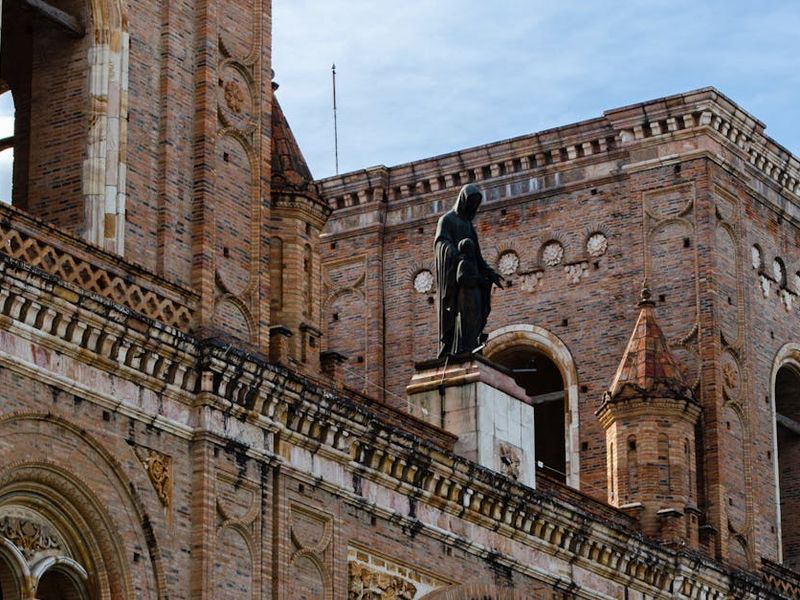
Cuenca’s historic center is compact and walkable, with elegant churches, plazas and museums. The city’s slower rhythm makes it a favorite for expats and travelers wanting a mix of culture and relaxation. Typical first‑day activities include strolling the Tomebamba Riverwalk, visiting the New Cathedral and browsing panaderías and markets.
Practical tip: If you arrive late after an overnight bus, choose a hotel close to the historic center to minimize transfers. Taxis are inexpensive—negotiate or request a meter—and most drivers know the main hotels and plazas.
Final Decision: Which Mode Is Right for You?
There’s no single “best” way to go from Quito to Cuenca; it depends on your priorities:
- Choose flight if saving time and convenience are top priorities.
- Choose bus if you want to save money while still getting comfortable and catching occasional scenic views en route.
- Choose car if you want flexibility to stop, detour and explore off‑the‑beaten‑path highlights like Ingapirca and Alausí.
Whichever mode you pick, plan a buffer on both ends—add a half‑day in Cuenca to absorb the city’s charm. The route between Quito and Cuenca cuts through some of Ecuador’s most stunning Andean landscapes, so take time to enjoy the journey as much as the destination.
Useful Final Reminders
- Check schedules and book in advance during peak season.
- Have ID and reservation documents handy for flights and long‑distance bus tickets.
- Keep small cash for rest stops, tolls and markets.
- Download offline maps and consider an Ecuador SIM or portable Wi‑Fi if relying on GPS while driving.
- Respect local driving customs and be cautious on mountain roads—avoid night driving when possible.
Enjoy the trip—the journey between Quito and Cuenca offers cultural stops, highland panoramas and the chance to discover why both cities are beloved by locals and visitors alike.
Adam Elliot Altholtz serves as the Administrator & Patient Coordinator of the “Smilehealth Ecuador Dental Clinic“, along with his fellow Expats’ beloved ‘Dr. No Pain‘, right here in Cuenca, Ecuador, and for purposes of discussing all your Dental needs and questions, is available virtually 24/7 on all 365 days of the year, including holidays. Adam proudly responds to ALL Expat patients from at least 7:00am to 9:00pm Ecuador time, again every single day of the year (and once more even on holidays), when you write to him by email at info@smilehealthecuador.com and also by inquiry submitted on the Dental Clinic’s fully detailed website of www.smilehealthecuador.com for you to visit any time, by day or night. Plus, you can reach Adam directly by WhatsApp at +593 98 392 9606 -or by his US phone number of 1‐(941)‐227‐0114, and the Dental Clinic’s Ecuador phone number for local Expats residing in Cuenca is 07‐410‐8745. ALWAYS, you will receive your full Dental Service in English (NEVER in Spanish), per you as an Expat either living in or desiring to visit Cuenca by your Dental Vacation, plus also to enjoy all of Ecuador’s wonders that are just waiting for you to come arouse and delight your senses.