
Table of Contents
Overview: Quito to Cuenca — How to Choose the Right Way
Quito and Cuenca are two of Ecuador’s most celebrated cities, each with its own highland charm. Traveling between them can mean a quick hop by plane, an economical overnight bus, or an adventurous multi-stop drive. This guide compares the three main options, lays out practical tips, and highlights scenic stops and local details to help you plan the best trip for your time, budget and travel style.
Quick facts at a glance
- Distance by road: roughly 460–500 km (depending on route)
- Driving time: typically 8–10 hours without extended stops
- Flight time: about 40–50 minutes in the air; expect 2–4 hours door-to-door
- Altitude: Quito ≈ 2,850 m (9,350 ft); Cuenca ≈ 2,560 m (8,400 ft)
Flying: fastest but consider total travel time
Flying is the fastest way to cover the ground between Quito and Cuenca. Flight time is under an hour, but you should factor in travel to/from airports, check-in, security and possible delays. Quito’s Mariscal Sucre International Airport (UIO) is about 45–60 minutes from the historic center of Quito depending on traffic; Cuenca’s airport (CUE) sits roughly 20–30 minutes from downtown Cuenca.
Pros and cons of flying
- Pros: saves time, comfortable, useful if you have limited travel days.
- Cons: more expensive than buses; when you add transfers and waiting time, savings may shrink compared to driving.
Practical tips for flying
- Book in advance for the best fares; last-minute domestic fares can be high.
- Check baggage allowances carefully — some fares are basic and limit checked bags.
- Allow enough transfer time — Quito traffic and airport queues can be unpredictable.
- From Cuenca’s airport, use a registered taxi or arrange a hotel shuttle to avoid haggling.
Bus: budget-friendly with scenic highs and overnight options
Buses are the go-to for many locals and budget travelers. Regular interprovincial bus services link Quito’s main bus terminal with Cuenca’s Terminal Terrestre. Travel times vary: direct express coaches usually take 8–11 hours, while buses that pause more frequently may take longer.
Types of buses and what to expect
- Standard interprovincial buses: economical, basic seats, frequent stops.
- Long-distance coaches: more comfortable seats, sometimes reclining and with onboard restrooms.
- Overnight buses: popular for saving a night in a hotel and covering distance while you sleep; bring layers and earplugs.
Booking and terminals
In Quito, most long-distance buses depart from Terminal Terrestre Quitumbe (south) or Terminal Carcelén (north). In Cuenca you’ll arrive at the main terminal, a short taxi ride from the historic center. Tickets can be bought at the terminal windows, agency offices in the city, or through local booking platforms. If you travel during holiday periods or national festivals, purchase tickets ahead.
Safety, luggage and comfort tips
- Keep valuables in a small daypack you carry on board; checked bus luggage is generally safe but not immune to loss.
- Bring snacks, water and a power bank — some buses have no power outlets.
- If prone to motion sickness, choose a seat near the front and during the day for the best view and air.
- Overnight buses can be cold — pack a light blanket or scarf.
Driving: freedom, scenic detours and local discoveries
Driving between Quito and Cuenca is a favorite for travelers who want flexibility and the chance to explore towns along the way. The Pan-American corridor (E35) is the most direct route, threading through Ambato, Riobamba and Alausí, each offering worthwhile stops. Expect mountain driving with winding roads, dramatic elevation changes and regular heavy vehicles.
How long and how far
Most drivers cover the roughly 460–500 km in 8–10 hours of pure driving time. If you stop for sightseeing — for example in Baños, Riobamba, Alausí (Devil’s Nose), or Cuenca’s approach towns such as Paute, Gualaceo and Chordeleg — allocate extra hours or split the trip over two days.
Rental cars and one-way fees
- International and local rental agencies operate in Quito; book ahead during high season.
- One-way drop-offs (returning the car to Cuenca instead of Quito) may incur an extra fee — confirm when booking.
- Insurance: verify that your rental includes adequate third-party and collision coverage for Ecuador.
Driving safety and road conditions
- Roads on the main routes are generally paved and well-maintained, but expect occasional potholes and construction.
- Mountain weather can change quickly: fog, rain and low visibility are common; drive daylight hours where possible.
- Watch for local driving patterns: slower trucks, frequent overtaking and informal roadside markets.
- Always carry water, snacks, and a basic emergency kit; phone coverage can be spotty in remote stretches.
Scenic stops and side trips worth your time
The Quito-Cuenca corridor is one of Ecuador’s most varied landscapes. If you have time, these stops enrich the trip:
- Ambato: known for fruit, flowers and a lively market — good for a short lunch stop.
- Baños de Agua Santa (detour): hot springs, waterfalls and adventure sports — a popular overnight detour.
- Riobamba and Chimborazo views: on clear days you can glimpse Ecuador’s highest peak, Chimborazo.
- Alausí & the Devil’s Nose: famous for the dramatic railway switchbacks — take the tourist train section if schedules align.
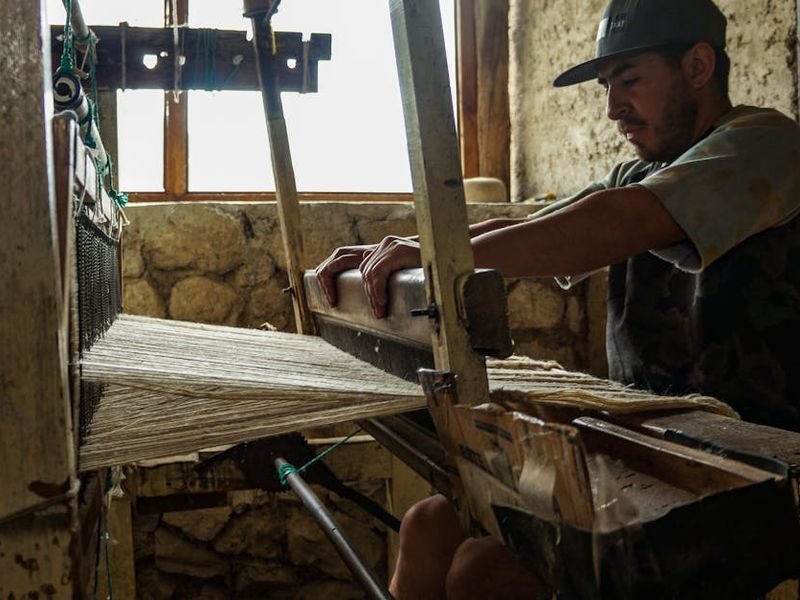
- Paute, Gualaceo, Chordeleg: approach towns to Cuenca known for textiles, silver jewelry and artisan workshops.
Train travel: a scenic but limited option
Trains in Ecuador operate more as tourist routes than practical intercity transport. The world-famous ‘Devil’s Nose’ (Nariz del Diablo) ride around Alausí is a must for rail enthusiasts, but regular passenger rail service between Quito and Cuenca is not reliable as a point-to-point daily option. If you’re attracted to scenic rail experiences, plan your trip around scheduled tourist departures rather than expecting to take the train as a routine alternative to bus or car.
Costs: comparing price ranges
Actual costs fluctuate with season and how far in advance you book, but expect these ballpark ranges:
- Flights: roughly $50–$200 one-way depending on airline, promotions and luggage.
- Buses: typically $8–$25 for standard to more comfortable coaches; overnight and express buses may be at the higher end.
- Driving: depends on rental rate, fuel and any one-way fees — budget for fuel and tolls and remember parking costs in city centers.
Arriving in Cuenca: what to expect
Cuenca’s historic center, a UNESCO World Heritage Site, is compact and highly walkable. The city’s main plaza, Parque Calderón, is flanked by the blue-domed New Cathedral (Catedral de la Inmaculada Concepción). Other must-sees include the cobblestone El Barranco neighborhood along the Tomebamba River, Museo Pumapungo (with ruins and ethnographic collections), and the bustling Mercado 9 de Octubre for local food.
Local practicalities in Cuenca
- Language: Spanish is dominant; some vendors and hotel staff speak English, but basic Spanish phrases are useful.
- Transport within the city: taxis are plentiful and inexpensive; many visitors simply walk the historic center.
- Altitude adjustment: Cuenca sits at a slightly lower elevation than Quito, but you may still feel mild altitude effects if you’ve recently arrived from sea level.
- Safety: Cuenca is generally considered safer than larger cities, but normal precautions for belongings and nighttime travel apply.
Seasonal considerations and timing
Weather and local events influence the best travel times. Dry season in the highlands often coincides with clearer views of volcanoes and easier driving conditions; rainy months can bring fog and the occasional landslide on mountain roads. Festivities like Cuenca’s Independence celebrations or Quito’s major festivals can make transport busier and accommodation busier, so check local calendars before booking.
How to pick the best option for you
- If time is tight: fly, especially if you value the quickest door-to-door time.
- If you’re on a tight budget and don’t mind longer travel: take a bus — comfortable, cheap, and sociable.
- If you love flexibility and side trips: drive — stop in Ambato, Baños, Riobamba, or explore artisan towns en route.
- If you want scenic rail experiences: check train schedules in advance and combine with road travel.
Final tips before you go
Wherever you choose to travel, a few universal tips will improve your journey: confirm schedules and book ahead during peak travel times; carry layered clothing for mountain weather; keep local cash for smaller purchases and taxis; and always secure travel insurance that covers transportation delays and medical needs. If you’re visiting Cuenca for the first time, plan at least two full days to soak in the city’s plazas, museums, artisan markets and nearby Cajas National Park.
Whether you prefer the efficiency of a flight, the low cost of a bus, or the adventure of a road trip, Quito to Cuenca offers memorable scenery and cultural richness. Choose the mode that matches your priorities, and enjoy one of Ecuador’s most rewarding intercity journeys.