
Table of Contents
Overview: Quito to Cuenca — What to Expect
Traveling between Quito and Cuenca is a classic Andean journey: highland scenery, dramatic mountain passes, and two culturally rich cities sitting over 2,500 meters above sea level. The distance between these cities by road is roughly 450–500 kilometers, and your travel choice will determine whether you spend that time seeing the landscape, saving money, or maximizing convenience.
This guide walks through the three main ways to make the trip — plane, bus, or car — and gives practical tips on timing, costs, scenic detours, and safety so you can pick the option that fits your travel style.
The Route at a Glance
Most travelers follow the Pan-American corridor south from Quito, passing through highland towns like Latacunga, Ambato and Riobamba before descending into the Azuay valley where Cuenca sits. The road traverses high-altitude plateaus, volcanic viewpoints, and winding mountain roads carved into steep Andean slopes. Both Quito (about 2,850 m) and Cuenca (about 2,550 m) sit at elevation, so lightheadedness can be an issue for newly arrived visitors.
Key practical points: Quito’s airport is Mariscal Sucre International Airport (UIO) northeast of the city, and Cuenca’s airport is Mariscal Lamar (CUE), located a short drive from the historic center. In Quito the main long-distance bus terminal is Terminal Terrestre Quitumbe; Cuenca’s main bus terminal is Terminal Terrestre de Cuenca.
By Plane — Fastest Door-to-Door Time
Flying is the quickest option if your priority is minimizing travel time. Flight time in the air is short — typically around 1 hour to 1 hour 20 minutes — but you should account for transfer time to/from airports, early arrival for check-in, and waiting for baggage. For most travelers, the realistic door-to-door time is 3–4 hours.
What to expect
- Short flight time but airport transfer time can add up (UIO is about 45–60 minutes from central Quito depending on traffic).
- Frequent daily flights connect the two cities, with more schedules during high season.
- Baggage limits and fees vary by airline; budget fares may include only a small personal item.
Practical tips for flying
Book early for the best fare — domestic flights can be surprisingly affordable when purchased in advance. If you are traveling light and only want to minimize time on the ground, flying is the obvious choice. However, if you like to soak in landscapes or plan on stopping at towns along the way, you’ll miss those opportunities from 30,000 feet.
By Bus — Budget-Friendly and Scenic
Buses between Quito and Cuenca are a popular choice for travelers on a budget who still want a seat-and-sleep option. The trip by road typically takes between 8 and 10 hours depending on whether you take a direct service or one with frequent stops. Overnight buses are common and allow you to save on a night’s accommodation if you prefer.
Types of bus services
- Luxury or executive buses: wider seats, onboard bathrooms, and fewer stops. These are more comfortable for long trips.
- Standard interprovincial buses: more stops and lower cost, but still a reasonable way to travel long distances in Ecuador.
- Overnight services: leave in the evening and arrive the next morning — great for maximizing daytime in both cities.
Practical tips for bus travel
Buy tickets at the bus terminal or online through official operator websites or reputable local booking sites. Arrive at the terminal at least 30–45 minutes early if you have luggage to check. Keep valuables in a daypack and bring a neck pillow, earplugs, and a light blanket for comfort. Bus terminals can be busy hubs, so keep an eye on your belongings and confirm the bus number and destination with staff before boarding.
By Car — Freedom to Explore and Make Detours
Driving from Quito to Cuenca gives you the most flexibility. The route follows the Pan-American Highway for much of the way and offers easy access to side trips and viewpoints. Depending on traffic and stops, you can expect driving time to be anywhere from 7 to 10 hours. If you’re planning to stop at attractions like Riobamba, Alausí, or Baños, add more time — these detours are where driving really pays off.
Car rental and documentation
International and local rental agencies operate in Quito. You’ll need a valid driver’s license (some companies accept a foreign license; others may request an International Driving Permit), passport, and a major credit card for the security deposit. Ask about insurance details — collision damage waiver and third-party coverage — and what to do in case of breakdowns in mountainous areas.
Driving conditions and safety
Roads are generally paved and maintained on the main route, but expect winding sections, narrow lanes in some mountain passes, and occasional heavy truck traffic. Try to avoid driving in the dark, especially on unfamiliar mountain roads. Keep your fuel tank topped up — service stations become sparse in higher-altitude stretches — and make sure your spare tire and basic tools are in the car.
Scenic Stops and Worthwhile Detours
Driving or taking a daytime bus opens up many memorable stops. Even if you fly, consider a day trip from Cuenca later on to visit these places.
- Latacunga and Cotopaxi viewpoints — dramatic volcano views if the weather cooperates.
- Ambato — known for fruit markets and a pleasant mid-sized city atmosphere; a good place for a meal break.
- Riobamba — a hub near Chimborazo. From here many travelers take excursions to see the highest mountain in Ecuador.
- Alausí and the Devil’s Nose — a historic rail section with spectacular switchbacks. The short train excursion is a classic day trip if schedules align.
- Guano — a compact artisan village famous for straw hats and crafts, just as you descend toward the southern valleys.
- Baños (detour east of the main route) — a favorite for waterfalls, hot springs and adventure sports if you have extra time.
Costs and Time — Practical Estimates
While prices fluctuate, here are realistic ballpark figures to help you plan (always check current fares and rental rates before booking):
- Flights: low-season domestic fares can be economical if booked early; expect to pay more during holidays and peak travel periods.
- Buses: typically the most budget-friendly; a long-distance seat in a comfortable bus is usually much cheaper than a flight.
- Car rental: daily rates vary widely based on vehicle type and insurance; also factor in fuel, tolls, and parking fees. Renting for multiple days and planning stops may make the cost worthwhile.
Time-wise: flying is fastest door-to-door (3–4 hours with transfers), bus travel is the slowest but can be scenic and restful if you choose overnight departures (8–10 hours), and driving falls in between in terms of flexibility and time depending on stops (7–10 hours actual driving time if you go direct).
Comfort, Safety, and Practical Advice
Whether you fly, bus, or drive, there are a few universal tips that make the trip smoother:
- Pack layers. The highlands can be chilly, windy, and changeable even within a single day.
- Altitude: both cities sit above 2,500 meters. Drink water, avoid heavy exertion when you first arrive, and recognize symptoms of mild altitude sickness (headache, shortness of breath). If you have concerns, consult a doctor before travel.
- Cash and cards: Ecuador uses the US dollar. While cards are widely accepted, keep some cash for small purchases, market items, and bus terminal services.
- Safety: Petty theft can happen in busy terminals and tourist areas. Keep valuables secure and maintain situational awareness, particularly at night.
- Food and rest stops: long bus and car trips offer basic roadside eateries offering soups, grilled meats, and local fruits. If you have dietary needs, plan stops accordingly.
Booking and Seasonal Considerations
High travel seasons — major holidays, school vacations, and popular festival dates — can sell out buses and flights quickly. Book early if you’re traveling in July, December holidays, or during local festivals. If you prefer flexibility, buses offer many last-minute options, while flights and car rentals lock in specific timings.
Arriving in Cuenca — What to Do Next
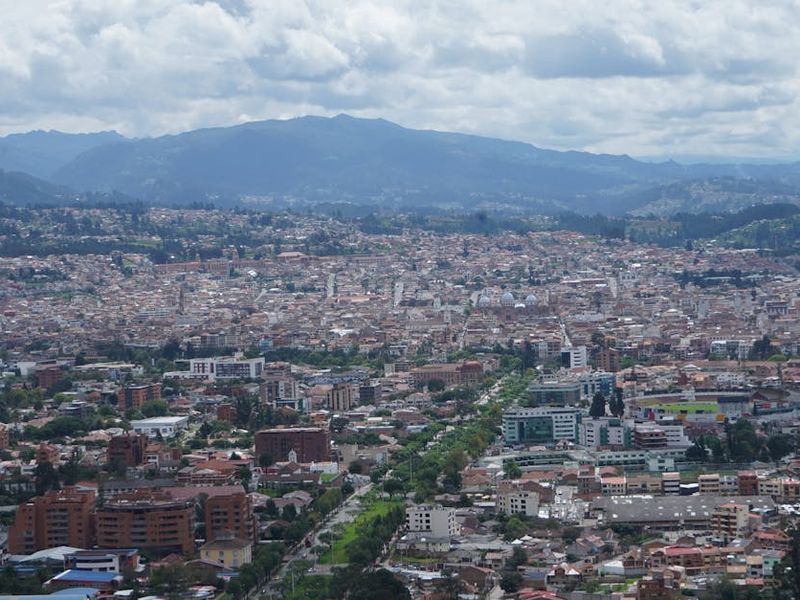
Cuenca’s historic center is compact and walkable, with its downtown plaza (Parque Calderón), cathedral with its distinctive blue domes, museums like Pumapungo, and charming riverfront neighborhoods. If you arrive by bus at the terminal, taxis and local transit will take you into the center in 15–30 minutes depending on traffic. From Mariscal Lamar airport you’re typically a short taxi ride away from downtown.
Consider scheduling a rest day after arrival to adjust to elevation and explore the historic core at a relaxed pace. Some travelers enjoy a short excursion to Cajas National Park the day after arriving to stretch legs and enjoy highland hiking scenery.
Which Option Is Best for You?
Here are some scenarios to help you decide:
- If you’re short on time and want convenience: fly. The plane trip saves hours and gets you into Cuenca quickly.
- If you’re on a tight budget or love slow travel and scenery: take the bus. It’s economical and lets you see the Andean landscape without the hassles of driving.
- If you want control over your itinerary and plan to sightsee en route: rent a car. You can stop at small villages, take mountain detours, and set your own pace.
Final Thoughts
The Quito to Cuenca journey is a highlight of travel in Ecuador: whether airborne or on the road, you’ll pass through some of the country’s most dramatic highland scenery and cultural hubs. Choose the travel mode that best fits your priorities — speed, budget, or exploration — and plan a few stops to transform a transfer into a memorable part of your Ecuador adventure.
Whichever option you pick, prepare for variable mountain weather, keep your documents and valuables secure, and leave room in your itinerary to enjoy Cuenca’s laid-back charm and nearby natural wonders once you arrive.
Adam Elliot Altholtz serves as the Administrator & Patient Coordinator of the “Smilehealth Ecuador Dental Clinic“, along with his fellow Expats’ beloved ‘Dr. No Pain‘, right here in Cuenca, Ecuador, and for purposes of discussing all your Dental needs and questions, is available virtually 24/7 on all 365 days of the year, including holidays. Adam proudly responds to ALL Expat patients from at least 7:00am to 9:00pm Ecuador time, again every single day of the year (and once more even on holidays), when you write to him by email at info@smilehealthecuador.com and also by inquiry submitted on the Dental Clinic’s fully detailed website of www.smilehealthecuador.com for you to visit any time, by day or night. Plus, you can reach Adam directly by WhatsApp at +593 98 392 9606 -or by his US phone number of 1‐(941)‐227‐0114, and the Dental Clinic’s Ecuador phone number for local Expats residing in Cuenca is 07‐410‐8745. ALWAYS, you will receive your full Dental Service in English (NEVER in Spanish), per you as an Expat either living in or desiring to visit Cuenca by your Dental Vacation, plus also to enjoy all of Ecuador’s wonders that are just waiting for you to come arouse and delight your senses.