
Table of Contents
Why Cuenca Is a Top Choice for Dental Care
Cuenca has quietly become a hub for international dental visitors thanks to its combination of modern clinics, experienced dentists, and the comfort of a walkable, historic city. For many expats and travelers, the appeal includes lower prices than the U.S. or Europe, English-speaking staff at many practices, and the chance to recover in a pleasant, culturally rich setting.
But a successful dental trip requires more than booking a plane ticket. This guide walks you through practical planning, choosing reputable providers, travel logistics, recovery strategies, and follow-up care — with details specific to Cuenca to help you make informed decisions.
Start with Clear Goals: What Treatment Do You Need?
Before you contact clinics, know what procedures you’re seeking: single implants, full-arch solutions (All-on-4), crowns, veneers, root canals, or cosmetic whitening. Some treatments require multiple visits spaced weeks or months apart — particularly implants that need healing time between placement and crown attachment.
Ask your local dentist for existing records and X-rays you can share. A clear treatment goal helps clinics give realistic timelines and estimates, and lets you compare clinics accurately.
How to Find Reputable Dentists in Cuenca
Quality varies, so vetting clinics is critical. Use these steps:
- Check credentials: Confirm dentists are registered with Ecuador’s professional dental association — ask for their registration number and verify it with the clinic.
- Read patient reviews: Look beyond star ratings. Search for detailed reviews on Google, Facebook, and specialized medical tourism forums. Pay attention to comments about follow-up care, hygiene, and honesty about pricing.
- Ask about technology: Modern clinics often use digital X-rays, intraoral scanners, and CAD/CAM milling. These tools can shorten turnaround times and improve fit for crowns and veneers.
- Request before-and-after photos: Reputable practices will provide case photos for similar procedures.
- Confirm language skills: Many clinics serving international patients employ English-speaking staff, but verify who will handle your consultation and post-op calls.
Understand Typical Costs and What’s Included
Ecuador uses the U.S. dollar, which simplifies budgeting. Treatments in Cuenca are generally lower than in North America or Europe, but prices vary by clinic, materials, and specialist experience. Expect clinics to quote a range; get a written estimate that lists all components: consultation, imaging, lab fees, materials, anesthesia, and follow-ups.
Examples of what to ask about:
- Type of implant and brand — some brands are associated with stronger evidence and longer warranties.
- Material for crowns or veneers (porcelain, zirconia, etc.).
- Whether lab work is done in-house or outsourced, and the lab’s turnaround time.
- Policies for complications, warranty periods, and who covers the cost of unexpected fixes.
Timing Your Trip: How Long to Stay
Schedule based on the procedure:
- Simple procedures: Cleanings, fillings, and single root canals can often be completed in a day or two.
- Crowns and veneers: Typically require two visits over 1–3 weeks if the clinic needs time for lab work. Many modern clinics with CAD/CAM can deliver same-day crowns.
- Implants: Implant placement is usually one visit; the healing period ranges from 8–16 weeks before attaching permanent crowns. Some clinics offer immediate-load implants or temporary teeth, but check candidacy carefully.
Plan conservatively. Allow at least a couple of days after any sedation or major procedure before flying, and longer if you’re getting dental implants or extensive work.
Travel Logistics: Getting to and Around Cuenca
Cuenca’s airport (CUE, Mariscal La Mar) serves domestic flights and some international charters. Most travelers connect via Quito or Guayaquil. Arrange airport transfers in advance — many clinics offer pickup services which can be particularly helpful after a procedure.
Within the city, taxis are inexpensive and plentiful. Ride-hailing apps and private drivers operate in Cuenca; verify current availability and safety practices. Staying near the Historic Center (around Parque Calderón) or barrios like San Sebastián or El Vergel places you close to many clinics, pharmacies, and comfortable post-op walking routes along the Tomebamba River.
Choosing Where to Stay During Dental Treatment
Look for accommodations that support recovery: quiet rooms, elevator access, reliable hot water, and a kitchenette for preparing soft foods. Neighborhood options:
- Historic Center (El Centro): Walkable, close to top clinics, restaurants, and pharmacies. Expect cobblestone streets — convenient but can be bumpy if you’re using a wheelchair or crutches.
- San Sebastián: Slightly quieter with charming streets and easy access to clinics and cafés.
- Turi: Higher elevation with panoramic views — ideal for visitors who want more peaceful surroundings after procedures.
Book a place with a reliable Wi-Fi connection so you can communicate with your dental team and send photos for remote follow-up if needed.
Language, Communication, and Consent
Spanish is the primary language in Cuenca. Many clinics catering to internationals have English-speaking coordinators, but always confirm who will translate during clinical discussions. Make sure you understand the treatment plan, risks, alternatives, and costs before signing consent forms. Ask for written summaries in English, and request digital copies of X-rays and treatment records.
Safety, Hygiene, and Clinic Standards
Prioritize clinics that follow international sterilization protocols. Ask about their infection control measures, how they sterilize instruments, and whether they use single-use disposables for needles and gloves. Modern clinics often show accreditations or certificates — ask to see them.
Cuenca is considered safer than many big cities in Ecuador, but apply common-sense precautions: avoid carrying large sums of visible cash, use hotel safes for passports, and travel in daylight for first-time visitors to the city.
Pre-Trip Checklist: Documents and Medical Prep
Prepare these items before you go:
- Copies of dental records, X-rays, and any relevant medical history.
- Current list of medications and allergies.
- Passport and travel insurance details — check whether your policy covers dental work abroad or emergency evacuation.
- Comfort items for recovery: soft toothbrush, salt for rinses, over-the-counter pain relievers (confirm with your dentist), and chilled compress packs.
- Phone numbers for your clinic, hotel, and emergency contact back home.
Pain Management and Medications
Your dentist will prescribe postoperative pain relief and antibiotics if necessary. Ask whether the clinic can supply your prescriptions or if you will need to get them from a local pharmacy. In Cuenca, pharmacies are ubiquitous and many pharmacists can provide guidance, but prescriptions are typically required for stronger medications.
Remember the city’s elevation (around 2,500–2,600 meters). If you’re using sedation or general anesthesia, plan extra recovery time before any flights — altitude can affect nausea and fatigue.
Eating and Recovery: Local Food Options for Healing
Cuenca’s cuisine includes many gentle, nutritious options that are ideal for dental recovery. Try soft, restorative dishes such as:
- Warm soups like locro de papa (creamy potato soup) or caldo de bola (if soft ingredients are selected).
- Mashed avocados, scrambled eggs, soft rice, and stewed vegetables.
- Smoothies and fresh fruit purees — local markets have excellent mango, papaya, and banana.
Avoid crunchy, hot, or spicy foods for the first few days after major procedures. Many grocery stores and neighborhood markets in Cuenca stock easy-to-prepare, soft food staples.
Follow-Up and Guarantees: What to Demand in Writing
Get a documented follow-up plan. Ask the clinic to outline post-op checkups, emergency contact procedures, and what’s covered under any guarantee — for example, the timeframe and terms for addressing implant or crown issues. Request digital copies of all records and consider having your local dentist review them when you return home.
When long-term follow-up is required, some clinics coordinate care with dentists abroad or offer to ship lab components. Confirm these logistics in advance to avoid surprises.
Working with a Dental Tourism Coordinator vs. Booking Direct
Dental tourism coordinators can simplify logistics — arranging airport transfer, scheduling, language support, and accommodations. However, they add a middleman and sometimes mark up prices. Booking directly with a clinic can be cheaper but requires more due diligence. If you use a coordinator, confirm their reputation and make sure all costs and responsibilities are transparent.
Practical Tips from People Who’ve Done It
– Request a virtual consultation before you travel. A video call helps assess communication and professionalism.
– Bring a compact travel dental kit for recovery: soft-bristled toothbrush, interdental brushes for cleaning around implants, and a bottle of saline or salt for rinsing.
– Schedule light sightseeing only after your dentist clears you for activity. Gentle riverside walks by the Tomebamba are ideal for fresh air without strenuous exertion.
– Keep receipts and itemized invoices for potential insurance claims or tax purposes.
Common Red Flags to Watch For
Be cautious if a clinic:
- Pressures you to choose a treatment immediately without a full diagnostic work-up.
- Gives unusually low quotes without explaining material brands or lab processes.
- Has poor hygiene or evasive answers about sterilization and waste disposal.
- Refuses to provide written estimates, warranties, or contactable references.
Final Checklist Before You Book
- Confirm the dentist’s registration and request credentials.
- Get a detailed, written treatment plan and cost breakdown.
- Schedule appointments with time allowances for healing and potential delays.
- Arrange reliable transportation and lodging near your clinic.
- Ensure clear communication about aftercare, emergency access, and warranty policies.
Enjoy Cuenca While You Heal
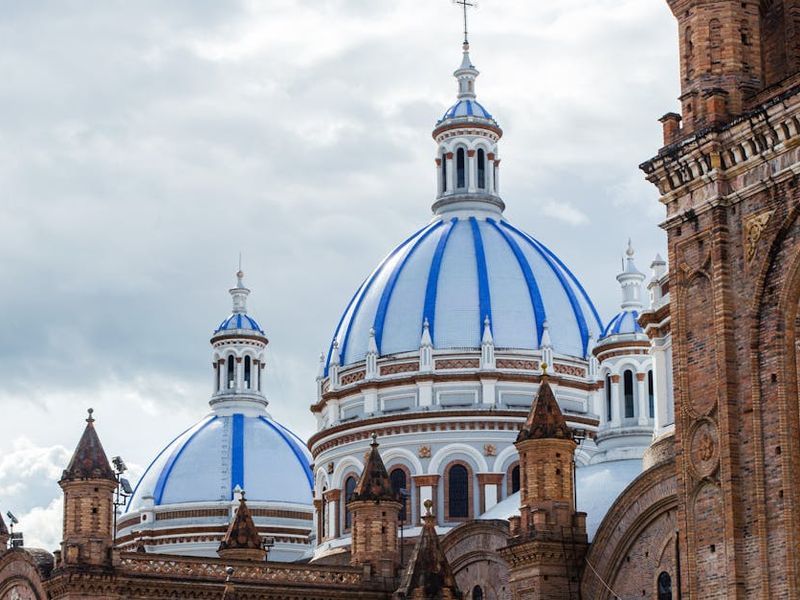
Cuenca is an excellent place to recuperate: its relaxed pace, beautiful colonial architecture around Parque Calderón, peaceful river walks, and friendly cafés offer a welcoming environment for recovery. Use your downtime to enjoy gentle activities — visit a museum, sip herbal tea at a local café, or simply appreciate the city’s pleasant climate.
With careful planning, good communication, and realistic expectations, a dental trip to Cuenca can be a safe, cost-effective way to get the care you need and return home with a confident smile.