
Table of Contents
Why Cuenca is the Best Choice for Dental Tourism
If you’re considering dental work abroad, Cuenca, Ecuador deserves a top spot on your list. This colonial Andean city combines dramatically lower prices (often 60–70% less than US and Canadian fees) with highly trained dentists, modern clinics, fast scheduling, and an ideal recovery environment. For implants, crowns, and veneers, the value you get in Cuenca—both medically and financially—makes it one of the smartest choices for dental vacations.
Cost Savings That Change the Decision
One of the most compelling reasons people choose Cuenca is the money saved without compromising quality. Typical price comparisons commonly reported by dental tourists show savings of roughly 60–70% on major procedures. For perspective:
- Dental implants: In the US or Canada, full implant treatment can range widely; in Cuenca, many clinics offer implants and restorations for a fraction of that cost, often enabling patients to receive multiple implants for the price of one back home.
- Crowns: High-quality porcelain or ceramic crowns are frequently priced much lower in Cuenca, often including advanced CAD/CAM milling or same-day options in clinics with CEREC technology.
- Veneers: Porcelain veneers—commonly several thousand dollars per tooth in North America—are typically much more affordable in Cuenca, allowing patients to achieve a full smile makeover at substantial savings.
Those savings let you invest more in top-tier materials, choose extended warranty options, or simply combine dental care with a restorative vacation.
World-Class Dentists and Modern Clinics
Cuenca’s dental professionals are often trained at top Ecuadorian universities and have international continuing education. Many dentists complete residencies and courses in the United States, Europe, or other Latin American centers. Clinics in Cuenca now routinely feature cutting-edge equipment—digital X-rays, CBCT (3D imaging), intraoral scanners, digital treatment planning software, and CAD/CAM milling centers—that enable precise diagnostics and efficient, aesthetic restorations.
Return-to-home quality is a frequent testimonial from patients: one-on-one consultations, evidence-based protocols, and bilingual staff ensure clarity from diagnosis through follow-up. Shorter wait times compared with some international hubs mean you can often schedule comprehensive treatment within days, not months.
The Ideal Recovery Environment
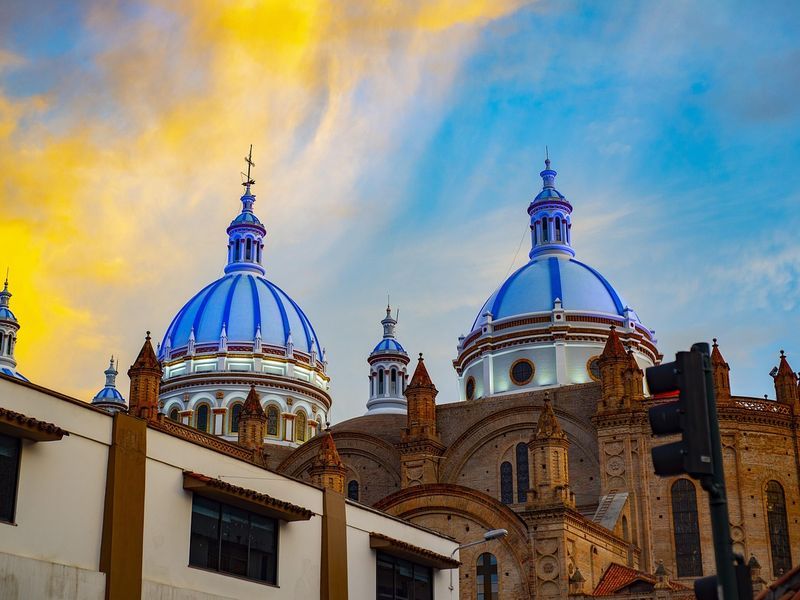
Cuenca’s appeal for dental recovery is distinctive. Perched at about 2,560 meters (8,400 feet) in the Andes, the city enjoys a mild, spring-like climate year-round—perfect for gentle walks that encourage circulation without excessive heat or humidity. The historic center (a UNESCO World Heritage site) is compact and walkable, with parks, gardens, and quiet cafés where you can relax after procedures.
Staying in a boutique hotel near Parque Calderón or a quiet Airbnb in the city’s residential barrios lets you recover in comfort while still being close to clinics and pharmacies. The combination of clean air, scenic streets, and easy access to nature (day trips to El Cajas National Park, hot springs, or gentle cloud-forest environments) makes Cuenca uniquely suited for dental vacations.
Timing Your Trip: Seasons and City Rhythm
Cuenca doesn’t have extreme seasons, but understanding the climate and local rhythm helps you plan the best time for dental work.
- Dry season (June–September): Fewer rainy afternoons and clearer skies make light recovery outdoor activities more pleasant. This is a popular time for tourists, so book lodging and clinic appointments early.
- Shoulder months (April–May, October–November): Moderate weather and fewer visitors mean quieter clinics and easier reservations. Rain occurs but is usually brief; it rarely interferes with recovery routines.
- Rainier months (December–March): Afternoon showers are typical but generally short. Clinics operate normally; you may find better hotel deals and more availability.
For dental vacations, shoulder months provide a sweet spot—comfortably mild weather, excellent clinic availability, and fewer crowds. However, because clinics in Cuenca are used to international patients year-round, you can plan a successful trip at almost any time.
Procedures and Practical Timelines
Planning depends on the procedure. Below are realistic timelines and options to help you choose whether to make one trip or multiple visits.
Veneers and Crowns (Ideal for a 5–7 Day Trip)
- Day 1: Consultation, digital scans, shade selection, and any necessary prep.
- Day 2–3: Preparations and temporary restorations (if needed); labs work on final veneers/crowns.
- Day 4–6: Final placement. Many clinics with CAD/CAM systems can provide same-day crowns, shortening the timeline considerably.
This makes Cuenca perfect for a one-week dental vacation: ample time for procedures, rest, and a few local outings.
Dental Implants (Options for 1–2 or Multiple Visits)
Implant treatment timelines vary based on protocol:
- Immediate-load implants: In selected cases, an implant and provisional crown can be placed in one visit, with follow-ups during a 10–14 day stay. Final crowns may be delivered weeks later.
- Traditional two-stage approach: Implant placement followed by a 3–4 month healing period, then restoration with the abutment and crown. This generally requires two trips (surgery and later restorative visit) unless you plan a longer stay.
Cuenca’s affordable pricing makes staged approaches more financially manageable. Many patients choose to have surgery and stay for a week to begin recovery in a calm, comfortable environment, then return for the final restoration.
Sample Dental Vacation Itineraries
Here are practical itineraries tailored to what procedure you’re planning.
Short Smile Makeover (Crowns/Veneers) — 7 Days
- Day 1: Arrive, settle into accommodation near the historic center.
- Day 2: Pre-op consultation and digital impressions.
- Day 3: Tooth preparation and temporary restorations; relax in town.
- Day 4: Final placement and polishing.
- Days 5–7: Gentle sightseeing—Parque Calderón, museums, artisanal markets—and post-op check.
Implant Placement with Short Recovery Stay — 10–14 Days
- Days 1–2: Arrival and consultation, review of CBCT scans.
- Day 3: Implant surgery; first night of close rest.
- Days 4–10: Rest, light walking in nearby parks, follow-up visits, pain management, and local cuisine (soft foods recommended initially).
- Day 11–14: Early healing check and return home, continue final restoration in 3–4 months.
Practical Tips for a Smooth Dental Vacation
- Bring medical records and X-rays: Having recent dental records speeds up diagnosis and helps dentists plan. Most clinics accept digital files by email ahead of time.
- Ask about materials and warranties: Confirm what prosthetics are used (zirconia, porcelain, titanium implants) and whether the clinic offers guarantees or follow-up care.
- Pack for altitude and recovery: Cuenca sits at high elevation—plan a day to acclimatize, stay hydrated, avoid heavy alcohol the first day, and bring comfortable shoes for short, gentle walks.
- Insurance and payment planning: Dental insurance may not cover overseas work. Many clinics accept major credit cards and offer payment plans; request a written treatment plan and estimate in advance.
- Follow-up options: Ask about remote follow-ups by video, and coordinate with your local dentist for any long-term maintenance or future checkups.
Where to Stay and What to Do During Recovery
Choose a calm, comfortable base near the historic center for easy access to clinics, pharmacies, and restaurants. Recommended neighborhoods include the colonial core around Parque Calderón and quieter residential barrios slightly uphill—both provide a tranquil atmosphere for recovery.
Gentle activities are ideal during healing: strolled mornings in Parque Calderón, visits to the Museo Pumapungo, artisan markets, and scenic drives to El Cajas National Park. Food-wise, Cuenca offers abundant healthy options—from fresh fruit markets to restaurants serving soft, nutritious dishes perfect after oral surgery.
Safety, Language, and Local Support
Cuenca is known for being safe, welcoming, and expat-friendly. Many clinics employ bilingual staff who coordinate transportation, pick-ups, and post-op care. If you’re uneasy about logistics, ask the clinic whether they offer dental tourism coordination services including airport transfers, local SIM cards, and hotel recommendations.
It’s wise to register travel plans with your embassy and arrange travel insurance that covers medical procedures abroad. While most clinics pride themselves on international standards, having a plan for unexpected events adds peace of mind.
Why Timing Still Matters: Book Early for Peak Seasons
If you plan your dental vacation during Cuenca’s busier months (June–August and certain holiday weeks), book your clinic appointments and accommodations well in advance. The city’s many boutique hotels and high-quality dental clinics can fill up quickly. Conversely, visiting in shoulder periods can mean greater flexibility and lower hotel rates, while still enjoying excellent clinical care.
Final Considerations: Value, Care, and a Beautiful Recovery
Choosing Cuenca for dental implants, crowns, or veneers often comes down to one simple truth: you can receive world-class treatment in modern clinics for a fraction of the price you’d pay in North America, while recovering in one of the most agreeable small cities in the world. The combination of cost savings (commonly 60–70%), highly trained dentists, cutting-edge technology, short wait times, and a peaceful, walkable recovery setting makes Cuenca an unbeatable destination for dental tourism.
Whether you come for a week to replace crowns or plan staged implant work over several visits, careful scheduling and a smart choice of season will maximize your comfort and results. With bilingual clinics, personalized care, and the charm of Cuenca at your doorstep, a dental vacation here is as restorative for your smile as it is for your spirit.
Quick Checklist Before You Book
- Send your dental records and x-rays to prospective clinics for pre-evaluation.
- Confirm procedure timeline, materials, guarantees, and total cost in writing.
- Arrange travel insurance, passport check, and any required visas or paperwork.
- Book accommodation near the historic center for easy clinic access and gentle recovery walks.
- Plan post-op meals and activities—quiet museums, parks, and scenic drives work best.
Cuenca offers more than savings: it gives you access to quality dental care, personalized attention, and a memorable, restorative travel experience. With the right timing and preparation, you can leave with a renewed smile—and a few favorite memories from one of Ecuador’s most beautiful cities.