
Table of Contents
Why Cuenca Is a Top Choice for Dental Travel
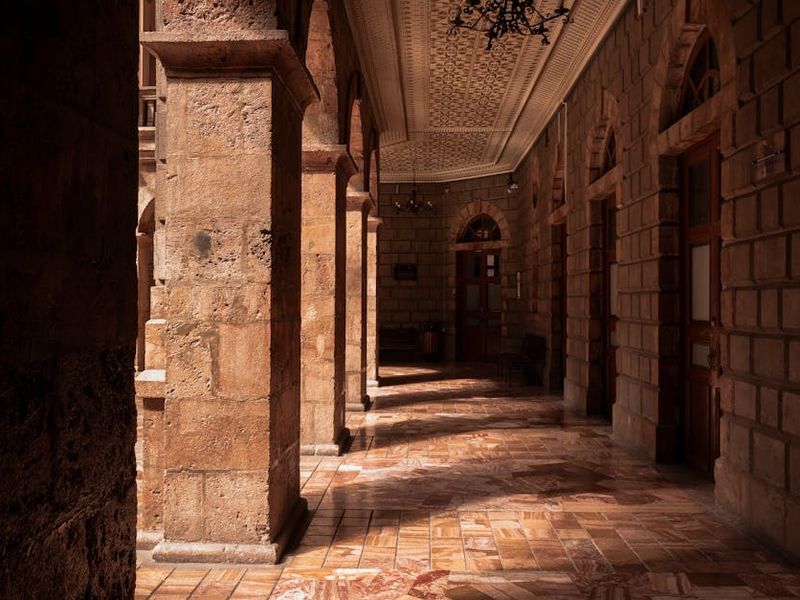
Cuenca, Ecuador, combines high-quality dental care with a lower cost of living and a welcoming atmosphere for international visitors. The city’s mix of private clinics, university dental programs, and skilled laboratory technicians makes it possible to get treatments such as crowns, veneers, root canals, and implants for a fraction of the cost charged in North America or Europe. Add in the historic architecture, pleasant climate, and compact center, and Cuenca becomes an appealing place for combining dental care with rest and exploration.
Start with Clear Objectives: What Do You Want from Your Trip?
Before booking flights, write down the procedures you need, the timeline you prefer, and your top priorities—cost, technology, language, or speed. Are you looking for a one-week trip for crowns or a multi-stage implant plan requiring two visits? Knowing the scope of care determines whether you should seek clinics with in-house labs, look for university clinics that offer savings, or plan for rounds of follow-up visits. Treat this step as the foundation of your dental vacation; clarity here saves time, money, and stress later.
How to Choose the Right Clinic in Cuenca
Not all clinics are the same. Use a multi-pronged approach when evaluating options:
- Credentials and certifications: Confirm dentists’ degrees, continuing education, and any affiliations with Ecuadorian or international dental associations.
- Before-and-after photos: Request a gallery specific to the procedure you need; this shows actual cases rather than marketing images.
- Technology and materials: Ask whether they use digital x-rays, CBCT (3D imaging) for implants, intraoral scanners for crowns, and which brands of implants or ceramics they prefer.
- Patient reviews and referrals: Read independent reviews, search forums targeted at dental tourism, and ask for contactable patient references when possible.
- Guarantees and follow-up: Understand warranty policies on prosthetics and what happens if an implant or crown fails after you return home.
University Clinics vs. Private Practices
Cuenca hosts dental schools and clinics associated with universities that can offer significantly lower prices for routine care performed under supervision. That’s a good option for fillings, cleanings, and some crowns. However, for more complex implant surgery or cosmetic cases, private clinics with experienced specialists and in-house labs often provide faster turnarounds and advanced technology. Weigh cost savings against experience and convenience.
Budgeting: Beyond the Procedure Price
Many travelers focus solely on the headline price for a crown or implant, but a realistic budget includes several additional items:
- Initial consultations and imaging (x-rays, 3D scans)
- Medications and follow-up visits
- Dental labs or customized prosthesis fees if not included
- Travel costs: flights, transfers, accommodation, meals
- Potential unexpected work or adjustments
- Local transportation and leisure activities during recovery
Tip: Ask clinics for an itemized estimate that includes consultations, imaging, lab fees, and follow-up care so you can compare offers accurately.
Practical Travel Logistics
Cuenca’s Mariscal Lamar (CUE) airport connects to Quito and Guayaquil with domestic flights; many international visitors fly into Quito or Guayaquil and take a short domestic hop or a scenic bus ride. If you’re traveling directly from abroad, consider flying into a major hub and taking a connecting flight to Cuenca to minimize fatigue.
Best Time to Schedule Your Visit
Cuenca’s weather is mild year-round, which is good for recovery. However, avoid national holidays when clinics and labs may close for several days. Schedule your procedure early in the week so your dentist and lab can work on prosthetics during business days, and arrange follow-up appointments before any clinic closures.
Planning for Recovery in Cuenca
Dental surgery—especially implants—requires rest. Cuenca’s compact historic center makes it easy to find quiet accommodations within short walking distance of many clinics. Consider staying in an apartment or small hotel rather than a large, touristy spot so you can prepare simple meals and rest in privacy during the most critical 48–72 hours after surgery.
Altitude, Anesthesia, and Healing
Cuenca sits at about 2,500–2,600 meters (8,200–8,500 feet) above sea level. If you’re coming from sea level, give yourself a day or two to acclimate before surgery. High altitude can increase fatigue and affect anesthesia response in some people. Drink plenty of fluids, avoid heavy exertion for the first few days, and notify your dentist of any altitude-related symptoms.
Where to Stay: Neighborhoods and Practical Tips
Choosing accommodation near your clinic reduces transit time and stress. Consider these neighborhoods:
- El Centro Histórico: Close to many clinics, museums, and restaurants. Ideal for easy walks to appointments and sightseeing during recovery.
- San Sebastián: A quieter, artistic area with short walks to the center—good for recovery with less tourist hustle.
- Bellavista / Miraflores areas: Slightly farther from the main square but often more residential and peaceful.
Look for accommodations with a kitchenette, good Wi‑Fi for telemedicine follow-ups, and comfortable seating for resting. Request a room on a lower floor or ensure elevator access if you want to minimize stairs immediately after surgery.
Food, Medication, and Pharmacy Access
Soft foods are your friend after dental procedures. Cuenca has grocery stores and markets where you can buy yogurt, soups, soft fish, pureed vegetables, and fresh juices. Pharmacies are plentiful and well-stocked; many pharmacists can help with common post-op medications such as antibiotics, pain relievers, and anti-inflammatories.
Language and Communication
While many dental clinics in Cuenca cater to international patients and provide bilingual staff or translators, Spanish remains the dominant language. Learn a handful of useful phrases, or ask your clinic if a translator or bilingual coordinator can accompany you for consultations and post-op instructions. Most clinics will communicate via WhatsApp for quick check-ins.
Managing Expectations: Timeline Examples
Different procedures require different timelines. Here are two common examples to help you plan:
- Single Crown (1–2 trips): Initial consult and tooth preparation (day 1), temporary crown and lab work (3–7 days), final crown placement (day 7–10). Many clinics can complete crowns in one week with a good in-house lab.
- Implant (staged, 2–3 trips): Placement surgery and healing abutment (week 1), osseointegration period (2–4 months), impression and crown placement (week 2). Some clinics offer immediate-load implants, but these depend on bone quality and require careful planning.
Always confirm the clinic’s schedule for lab work to avoid surprises that extend your stay.
Coordinating Care Between Countries
Before you leave home, send your dentist a full dental history and recent x-rays. Ask your Cuenca clinic for a detailed treatment plan you can share with your local dentist. After returning home, schedule a follow-up with your regular dentist to ensure long-term continuity of care. Keep copies of all records, photos, lab reports, and materials used (implant brand, crown material, etc.) for future reference.
Safety, Insurance, and Legal Considerations
Dental tourism carries some risk. Verify professional credentials, ask about malpractice insurance applicable to foreign patients, and read consent forms carefully. Travel insurance policies rarely cover elective dental procedures, so purchase a policy that includes medical evacuation if you have major health concerns. For minor complications, most clinics in Cuenca provide post-op care or phone consultations, but understand the logistics for returning if in-person treatment is needed.
Make Your Recovery Enjoyable: Low-Impact Activities
Cuenca offers gentle ways to spend recovery time without compromising healing. Stroll the riverwalks along the Tomebamba or Machángara, visit Pumapungo Museum for a calm cultural afternoon, or enjoy a coffee near Parque Calderón. Avoid high-altitude hikes, strenuous bike rides, or crowded nightlife during the first week after major procedures.
Sample Daily Recovery Routine
- Morning: Light breakfast (smoothie or yogurt), gentle mouth rinse per dentist’s instructions.
- Late morning: Short walk to get fresh air and help circulation—avoid overexertion.
- Afternoon: Rest and soft lunch; use ice packs for swelling as advised.
- Evening: Gentle salt water rinses (if recommended), medications on schedule, light reading or a movie.
Final Checklist Before You Book
Use this quick checklist to confirm you’ve covered the essentials:
- Written treatment plan and itemized estimate from the clinic
- Copies of state/provincial dental records and x-rays for the Cuenca clinic
- Accommodation within easy distance of your clinic
- Travel insurance and contingency funds for unexpected care
- Local SIM or working international plan for quick communication
- Post-op instructions and emergency contact with the clinic
Wrapping Up: Balance Value with Peace of Mind
Cuenca offers a real opportunity to save on dental care while enjoying a memorable visit. The key to a successful dental vacation is preparation: verify credentials, get detailed estimates, plan your travel and recovery logistics, and maintain clear communication with both the Cuenca clinic and your home dentist. When planned thoughtfully, a dental trip to Cuenca can deliver great value, excellent care, and a chance to experience one of Ecuador’s most charming cities while you heal.
Ready to start? Make a short list of procedures, request detailed plans from two trustworthy clinics, and book a flexible travel itinerary—you’ll be on your way to a smarter, more relaxed dental trip in Cuenca.
Adam Elliot Altholtz serves as the Administrator & Patient Coordinator of the “Smilehealth Ecuador Dental Clinic“, along with his fellow Expats’ beloved ‘Dr. No Pain‘, right here in Cuenca, Ecuador, and for purposes of discussing all your Dental needs and questions, is available virtually 24/7 on all 365 days of the year, including holidays. Adam proudly responds to ALL Expat patients from at least 7:00am to 9:00pm Ecuador time, again every single day of the year (and once more even on holidays), when you write to him by email at info@smilehealthecuador.com and also by inquiry submitted on the Dental Clinic’s fully detailed website of www.smilehealthecuador.com for you to visit any time, by day or night. Plus, you can reach Adam directly by WhatsApp at +593 98 392 9606 -or by his US phone number of 1‐(941)‐227‐0114, and the Dental Clinic’s Ecuador phone number for local Expats residing in Cuenca is 07‐410‐8745. ALWAYS, you will receive your full Dental Service in English (NEVER in Spanish), per you as an Expat either living in or desiring to visit Cuenca by your Dental Vacation, plus also to enjoy all of Ecuador’s wonders that are just waiting for you to come arouse and delight your senses.