
Table of Contents
Why Cuenca Belongs on Every Photographer’s Route
Cuenca, perched high in the southern highlands of Ecuador, is a compact canvas of red-tiled roofs, church domes, river promenades, and cobbled alleys. For shutterbugs the city is rich with contrasts: colonial architecture sits alongside lively markets, quiet riverside corners rub shoulders with panoramic miradors, and nearby páramo landscapes offer dramatic lakes and moody skies. This guide walks through the best spots, gives practical tips for working at altitude and in crowded markets, and lays out suggested gear and itineraries so you leave with a memorable portfolio.
Quick Practical Facts to Plan Your Photo Trip
Cuenca sits around 2,500 to 2,560 meters above sea level, so light is strong and days can be cool. The dry season generally runs from May through September, offering clearer skies and cleaner vistas, while the rainy season brings lush greens and dramatic clouds in the afternoons. Mornings and evenings are the most photogenic; sunrise and sunset are when the city’s warm tones pop.
When photographing people, markets, or religious processions, always ask permission. Camera safety matters in busy areas: use a secure camera strap, avoid flashing expensive gear in crowded spaces, and keep a minimal setup for street shooting. Finally, check local rules before flying a drone: heritage zones, crowded public squares, and areas near the airport are often restricted, and permits may be required.
Iconic Urban Frames
Parque Calderón and the Cathedral Domes
The main square, Parque Calderón, is the pulse of Cuenca’s historic center. The Catedral de la Inmaculada Concepción, commonly called the New Cathedral, is famous for its striking blue domes and ornate façade. Shoot from across the plaza for symmetrical compositions, or climb the surrounding streets for rooftop perspectives that show the cathedral nestled among red tiles. For dramatic light, arrive before sunrise or stay after dusk when the city lights create glow against the domes.
Río Tomebamba and the Riverside Walks
The Tomebamba threads through the historic center, dividing neighborhoods and offering multiple riverside vantage points. Early morning mist above the water, arched stone bridges, and narrow staircases that drop to the river create compelling compositions. Look for reflections in calm water after a rain shower, and use a circular polarizer to deepen skies and cut glare when the sun is high.
Barrio El Barranco and Colorful Facades
Just below the historic center, Barrio El Barranco spills down to the river in a cascade of colorful houses, artisan shops, and narrow alleys. This neighborhood is ideal for intimate street scenes, environmental portraits of craftspeople, and details of hand-painted doors, balconies, and stairways. Late afternoon light filters down the slopes and brings out saturated colors—an ideal time for both wide-angle and medium-tele lenses.
Elevated Views and Panorama Spots
Mirador de Turi
Mirador de Turi sits on a hill overlooking the city and is the go-to spot for sunset panoramas. From here you can capture sweeping scenes: layers of church towers, red roofs, and the surrounding Andes. A wide-angle lens and a graduated neutral density filter can help balance bright skies with darker foregrounds. Arrive early to scout your composition and avoid the crowds that show up for sunset.
Smaller Miradors and Rooftop Cafés
While Turi is the most famous viewpoint, small rooftop cafés and hotel terraces tucked into the historic center offer quieter prospects for golden-hour shooting. Ask politely at a café about staying for an extra hour; many owners welcome photographers who will also support their business. These spots are great for isolating architectural details or getting elevated street shots without traveling far.
Cultural and Market Photography
Mercado 10 de Agosto and Other Fresh Food Markets
Markets are a treasure trove of color, texture, and candid moments. Mercado 10 de Agosto is lively and ideal for food and portrait photography: heaps of fruits, colorful textiles, and vendors with expressive faces. Keep your setup light—prime lenses and a small camera are less intrusive. Always ask before photographing a vendor’s face or a detailed portrait, and consider offering to share a print or sending a digital copy later; that small courtesy goes a long way.
Artisan Towns: Chordeleg and Gualaceo
Short trips outside Cuenca reward photographers interested in crafts and cultural portraits. Chordeleg is famous for silver filigree and jewelry, while Gualaceo showcases woven textiles and ceramics. These towns are ideal for detail shots—macro images of hands at work, patterns in beadwork, and close-ups of tools and materials. Respect workshops’ privacy rules and ask before stepping in; many artisans will happily demonstrate their work for a small fee or a purchase.
History, Museums, and Quiet Interiors
Museo Pumapungo and Inca Ruins
Museo Pumapungo blends archaeological ruins, ethnographic displays, and peaceful gardens. The adjacent Inca terraces and stonework make for textural landscape images that contrast with the city’s colonial architecture. Low light inside display rooms calls for higher ISO settings or a fast prime lens; tripods may not be permitted in some indoor spaces so plan accordingly.
Monasteries and Cloisters
Cuenca’s religious heritage includes cloistered convents and ornate chapels that offer quiet, contemplative photo subjects. The geometric patterns of cloister arcades and shadow-play in inner courtyards are perfect for minimalist photography. Seek permission for interior photography—some religious spaces restrict flash or tripods, but typically allow stills with natural light.
Nature Near the City: Cajas National Park
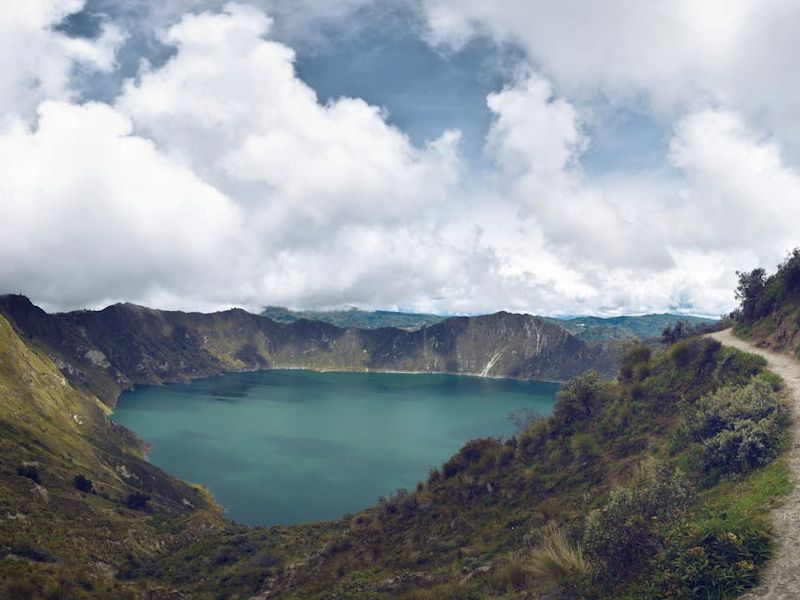
Just an hour or so from Cuenca, Cajas National Park is a high-altitude wilderness of glacial lakes, peat bogs, and jagged moorland. It’s a must for landscape photographers seeking moody skies, reflective lagoons, and alpine flora. Weather is changeable: plan for strong UV, a windproof jacket, and quick lens-cleaning wipes. A telephoto can compress distant ridgelines and isolate wildlife, while a wide-angle captures vast skies and mirror-like lakes at sunrise.
Gear, Settings, and Practical Shooting Tips
Bring a balanced kit: a wide-angle (around 16-35mm), a versatile standard zoom (24-70mm), and a longer zoom (70-200mm) cover most needs. A 35mm or 50mm prime is excellent for low-light interior scenes and street portraits. Pack a circular polarizer for rivers and skies, an ND filter for long-exposure water effects, and a sturdy but compact tripod for sunrise, sunset, and night shots.
At altitude battery performance drops faster, so carry spares and keep batteries warm in an inner pocket. Use RAW files for maximum post-processing flexibility, and shoot bracketing when dynamic range is high—then blend exposures in post if needed. For street work, aperture priority between f/5.6 and f/8 keeps subjects sharp while isolating backgrounds when you need it.
People Photography: Respect, Permission, and Composition
Portraits of vendors, artisans, and churchgoers are among the most rewarding images from Cuenca, but ethics matter. Always ask permission in a friendly way; a simple ‘puedo tomar una foto’ will get you far. If someone hesitates, offer to take a photo and show it to them. For close portraits, use a shallow depth of field to isolate faces against textured backgrounds like woven cloth or painted doors.
When photographing indigenous or traditional dress, remember these are living cultures, not props. Avoid staging or manipulating clothing and gestures. A small purchase or a few coins in exchange for a portrait is a respectful way to acknowledge subject participation.
Night and Low-Light Opportunities
Cuenca’s evening mood is cinematic: the cathedral lit up against the sky, neon reflections along the Tomebamba, and cozy street cafés glowing from within. Use a tripod for long exposures to capture light trails in busy streets, or a fast prime for environmental portraits without a tripod. A remote shutter release reduces vibration, and long-exposure noise reduction in-camera can help with cleaner night files.
Drone Photography: What to Consider
Drone shots can show Cuenca’s urban patterns and the river’s serpentine route, but fly responsibly. Laws can be strict around historic centers and over crowds. Before flying, research national and municipal regulations, avoid airports and public processions, and consider contacting local authorities for permission if you plan to operate near heritage sites. Always respect privacy and never hover over private property without consent.
Sample Itineraries and Shot Lists
One-Day Highlights
- Sunrise at Mirador de Turi for wide panoramas.
- Historic center walking loop: Parque Calderón, cathedral frames, and rooftop café for midday shots.
- Riverside stroll along the Tomebamba and Barrio El Barranco for colorful alleyways and reflections.
- Evening: cathedral lit shots and street-life exposures in the central plaza.
Three-Day Deep Dive
- Day 1: Historic center, museums, and markets (practice portraits and interiors).
- Day 2: Artisan day trip to Chordeleg and Gualaceo for details and workshop portraits.
- Day 3: Dawn in Cajas National Park for landscapes, then golden-hour return to capture rooftop views.
Post-Processing and Sharing Prints
Cuenca’s strong colors and high-contrast light benefit from careful raw processing. Boost clarity and dehaze sparingly to preserve natural atmosphere, and use local adjustments to draw attention to architectural details or faces. If you plan to print, aim for warm color profiles for cathedral and roof scenes, and matte finishes for landscape prints to suit the Andean mood.
Backing up daily is essential. Carry at least two backup SD cards or use a portable drive. Many cafés and hotels offer decent Wi-Fi for quick uploads, but always verify before relying on cloud backups.
Final Tips to Make the Most of Your Cuenca Shoot
Take your time. Some of the best images appear when you linger in a place and wait for the right person, light, or weather. Learn a few Spanish phrases to make friendly connections, keep your kit light for easy wandering, and try to blend into local rhythms—markets, church bells, and river promenades all offer repeated visual opportunities from different angles and at different times.
Cuenca is compact yet endlessly photogenic. Whether you pursue grand vistas from a mirador, close-up craft details in artisans’ workshops, or quiet river reflections at dawn, the city rewards curiosity and patience. Pack well, move slowly, and let the city’s layers unfold through your lens.
Adam Elliot Altholtz serves as the Administrator & Patient Coordinator of the “Smilehealth Ecuador Dental Clinic“, along with his fellow Expats’ beloved ‘Dr. No Pain‘, right here in Cuenca, Ecuador, and for purposes of discussing all your Dental needs and questions, is available virtually 24/7 on all 365 days of the year, including holidays. Adam proudly responds to ALL Expat patients from at least 7:00am to 9:00pm Ecuador time, again every single day of the year (and once more even on holidays), when you write to him by email at info@smilehealthecuador.com and also by inquiry submitted on the Dental Clinic’s fully detailed website of www.smilehealthecuador.com for you to visit any time, by day or night. Plus, you can reach Adam directly by WhatsApp at +593 98 392 9606 -or by his US phone number of 1‐(941)‐227‐0114, and the Dental Clinic’s Ecuador phone number for local Expats residing in Cuenca is 07‐410‐8745. ALWAYS, you will receive your full Dental Service in English (NEVER in Spanish), per you as an Expat either living in or desiring to visit Cuenca by your Dental Vacation, plus also to enjoy all of Ecuador’s wonders that are just waiting for you to come arouse and delight your senses.