
Table of Contents
Why Cuenca is a Great Base for Outdoor Adventures
Cuenca sits at about 2,560 meters (8,400 feet) in Ecuador’s southern highlands, making it an ideal launch point for a huge variety of outdoor activities. In less than an hour you can trade cobblestone streets and colonial plazas for high-elevation moorlands, cloud-forests, river valleys and archaeological ruins. The city’s mild climate, plentiful tour operators and local guide network mean both experienced outdoor enthusiasts and casual walkers can easily plan safe, rewarding excursions.
El Cajas National Park: Lakes, Queñua Forests, and High-Andean Hikes
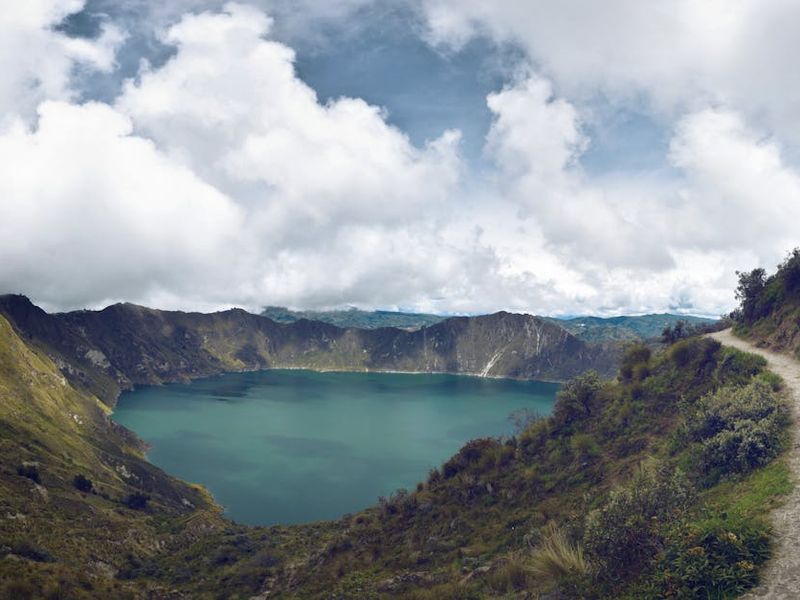
El Cajas is the crown jewel for hikers near Cuenca. The park is a mosaic of glacial lagoons, peat bogs and Polylepis (queñua) forests perched above 3,000 meters. There are dozens of short circuits and longer routes; you can choose everything from a 2-kilometer lakeside walk to full-day treks that explore multiple lagoons.
Popular Trails and What to Expect
- Laguna Llaviuco and surrounding loops: A moderate half-day hike with varied scenery and good birdwatching opportunities.
- Laguna Toreadora circuit: Flat to rolling terrain with panoramic views of the park’s scattered lakes—great if you want a gentler route.
- Multi-lake circuits: For experienced hikers, linking several lagoons can make an energetic full-day trek across peatlands and ridgelines.
Practical tips: start early to avoid afternoon mists and rain, wear layers (it’s cold and windy at altitude), bring snacks and water, and check with park rangers about trail conditions. Humidity and boggy patches can make boots wet, so proper footwear is essential.
Riverside Walks in Cuenca: Easy Nature Right in the City
You don’t need to travel far to enjoy a calming nature walk. Cuenca’s river corridors—especially the Paseo del Río Tomebamba—are lined with promenades, small parks and cafés. These low-effort walks are perfect for mornings or evenings when you want fresh air without leaving town.
Highlights Along the Rivers
- Paseo del Río Tomebamba: Riverside paths, restored old mills, and views of historic bridges—ideal for photography and gentle strolls.
- Parque Calderón and surrounding streets: While primarily urban, this area connects to green spaces and offers tree-lined routes with plenty of shade.
- Pumapungo archaeological park and gardens: A compact walk combining cultural sites with botanical areas and ponds where you can observe local flora and migrating birds.
These routes are family-friendly and accessible year-round. Expect plenty of other walkers, joggers and cyclists, especially on weekends.
Mountain Biking and Road Cycling: Routes for Every Level
The topography around Cuenca makes for exciting cycling—steep climbs, long descents, and scenic valley roads. Whether you ride a rugged mountain bike or a road bike, you’ll find options within an hour or two of the city.
Recommended Rides
- Cuenca to Gualaceo and Chordeleg: A classic road ride that follows the Río Paute valley. Expect rolling hills, warm valley air and a chance to stop in artisan towns for refreshments.
- Turi hill climb: A shorter but steeper outing that offers panoramic views of Cuenca at the top—perfect for interval training or a sunset ride.
- El Cajas approaches and gravel descents: For mountain bikers who like altitude and technical tracks, approaches to El Cajas provide high-elevation gravel and singletrack sections.
Logistics and safety: Bring spare tubes, a mini-pump, and tools. Cell service can be spotty on remote roads, and weather changes quickly at altitude. You can rent bikes from shops in central Cuenca or book guided rides that include support vehicles and mechanical help.
Birding and Short Nature Walks: Yunguilla and Botanical Spaces
For birdwatchers and nature lovers who prefer short, wildlife-rich walks, the valleys and gardens near Cuenca are surprisingly productive. Hacienda Yunguilla is one of the region’s best-known birding sites: located about 45–90 minutes from the city depending on the route, it offers guided walks, hummingbird feeders and an excellent chance to see cloud-forest species.
City Options for Slow Nature Days
- Botanical gardens and university green spaces: Compact, shaded, and full of local plant diversity—great for a relaxed morning hike without leaving the city.
- Short trails around local parks: These routes are ideal if you’re traveling with kids or want an easy way to learn local bird species and native plants.
Bring binoculars and a small field guide (or use an app on your phone). Mornings are usually the best time to see active birdlife.
Trout Fishing, Kayaking and Water-Based Fun
The highland lakes and rivers around Cuenca have long been known for trout. Many visitors combine hiking in Cajas with a slow afternoon of fishing—either on a lake or from a riverside. Local lodges and guides provide equipment and can cook your catch for a fresh, local meal.
Kayaking Options
While the largest lakes are protected and windy, smaller lagoons and the calmer stretches of nearby rivers can be suitable for beginner kayaking. If you’re interested, ask local tour operators for day trips that include an experienced guide and safety equipment.
Historic Day Hikes: Ingapirca and Ancient Landscapes
Ingapirca is Ecuador’s most important Inca archaeological site and sits within reach of Cuenca for a full-day outing. The stone complexes and surrounding hills are great for short nature walks that also satisfy history buffs—follow trails around the ruins for sweeping valley views and a different kind of outdoor experience.
Combining Culture and Nature
Pair a morning at Ingapirca with an afternoon hike in nearby foothills for a balanced day. Local vendors near the site sell snacks and drinks, but bring water and sun protection for the exposed sections of trail.
Sample Itineraries: Half-Day to Multi-Day Plans
Planning your outdoor days around fitness level, altitude acclimatization and weather will make the experience more enjoyable. Here are a few sample plans:
- Half-day urban walk: Morning stroll along the Tomebamba and through Pumapungo, coffee stop, botanical garden visit. Low exertion, easy transportation.
- Full-day Cajas loop: Early departure, hike a two- to four-lagoon circuit, packed lunch at a lake, return to Cuenca by late afternoon. Moderate-to-strenuous depending on route.
- Bike-and-brew tour: Road ride to Gualaceo, stop at a small café, explore artisan markets in Chordeleg, optional bus back with bike on rack. Great for mixed-ability groups.
- Multi-day nature and birding trip: Stay overnight at a lodge in Yunguilla or a Cajas refuge, dawn birding session, guided afternoon hike, second-day return with stops at local villages.
Seasonality and Weather Considerations
Highland weather is famously changeable. Mornings are often clear and ideal for hiking, while afternoons can bring clouds and showers, especially during the wetter months. The dry season (roughly June through September) tends to offer more predictable conditions for long treks, but even then be prepared for sun and cold winds.
Altitude matters: if you’re arriving from sea level, give yourself a day or two in Cuenca to acclimatize before attempting long, high-elevation hikes. Symptoms of altitude discomfort include headache, nausea and shortness of breath—if these appear, descend to a lower elevation and rest.
Safety, Permits and Responsible Travel
Most trails around Cuenca do not require special permits, but national parks like El Cajas have entrance fees and ranger stations. Use official trailheads and respect signage. Hire certified local guides for backcountry trips or if you’re unfamiliar with mountain navigation.
Practice Leave No Trace principles: pack out trash, stay on marked trails to protect fragile páramo vegetation, and don’t feed or disturb wildlife. Supporting local guides, restaurants and artisans is one of the best ways to ensure tourism benefits the communities that steward these landscapes.
Practical Gear Checklist
- Layered clothing (base, insulating, waterproof shell)
- Sturdy hiking boots or mountain-bike shoes
- Sun protection: hat, sunglasses, SPF 30+
- Reusable water bottle and snacks or packed lunch
- Headlamp for unexpected delays
- Basic first-aid kit, blister care, paracetamol
- Charged phone, portable battery, paper map if you’ll be off-grid
Local Resources: Guides, Rentals and Where to Find Them
Cuenca has a network of reputable guides and outfitters who arrange hiking, biking and birding trips. Look for operators with good reviews and local credentials, or ask at your hotel for recommendations. Bike rentals and shops are concentrated near the city center and the main thoroughfares; many offer guided or self-guided route maps and shuttle services for one-way rides.
Final Thoughts: Make the Outdoors Around Cuenca Your Playground
From quick riverside walks to full-day treks across alpine lakes, the outdoors around Cuenca can suit any pace and interest. Plan around the weather, respect the fragile ecosystems, and take advantage of the strong community of guides and small businesses that help make these adventures accessible. Whether you want to pedal down a mountain road, watch hummingbirds in a cloud-forest garden, or simply breathe in the highland air at a glacial lagoon, Cuenca is a compact, friendly hub for memorable outdoor experiences.
Ready to explore? Choose one route that matches your fitness and schedule, pack the right layers, and let the landscapes around Cuenca surprise you.