
Table of Contents
Why spend a week in Cuenca?
Cuenca is one of Ecuador’s most walkable, photogenic cities — a colonial jewel set along the Tomebamba River, framed by Andean hills. With a week you can move at a relaxed pace: soak up the centro histórico, visit museums and artisan workshops, take a highland nature day trip, and stash time for unplanned discoveries like neighborhood cafés, craft markets, and quiet river walks.
This guide gives a practical, day-by-day blueprint for one perfect week in Cuenca, with specific places to visit, sensible logistics, and tips that help you travel like a local while still hitting the highlights.
Useful practical info before you arrive
Cuenca sits at about 2,560 meters (8,400 feet) above sea level. Most visitors adapt quickly, but take it easy on heavy exercise the first day if you feel short of breath. Ecuador’s currency is the US dollar; ATMs and credit-card acceptance are common in the city.
The city is compact and largely pedestrian-friendly. The main public spaces are concentric and easy to navigate: Parque Calderón anchors the historic core, the Tomebamba River runs through town, and the hilltop mirador at Turi gives sweeping views. Spanish is the dominant language; you’ll find English in hotels and some tour companies but learning a few basic phrases goes a long way.
How to use this 7-day plan
This itinerary mixes must-see sights and slower, discovery-based activities. Each day includes a full morning or afternoon outing plus optional extras for those who want to expand their exploration. Swap days for weather (Cuenca can be cloudy or rainy unexpectedly) or to match your energy level—there’s no shortage of cozy cafés when you want to stay put.
7-Day Itinerary: A relaxed, local-focused week
Day 1 — Orientation and Centro Histórico
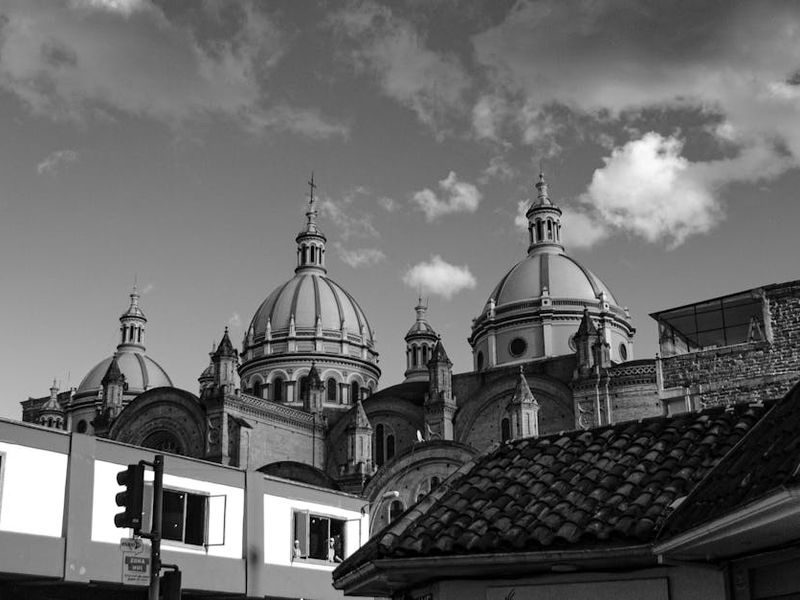
Arrive, settle into your hotel or guesthouse near Parque Calderón, then head out for a fluid first afternoon. Take a slow walking loop around the cathedral complex: the New Cathedral (Catedral de la Inmaculada Concepción) with its blue domes, and the small Old Cathedral across the square. Stroll along Calle Larga and the riverfront for your first views of the Tomebamba and the colorful houses that line El Barranco.
Spend the evening at a riverside restaurant or a plaza café. This is the perfect time to try Ecuadorian comfort foods like locro de papa (creamy potato soup) and a plate of fried empanadas — simple, reassuring, and grounding after travel.
Day 2 — Museums, markets and artisan shopping
Start at Museo Pumapungo (near the city center), where a compact archaeological park and ethnographic exhibits tell the story of the Cañari and Inca cultures in the region. From there, wander to a nearby artisan market to browse Panama hats, handwoven textiles, silver jewelry and other craftwork. Chordeleg and Gualaceo artisan goods are frequently represented in these stalls.
In the afternoon, explore smaller museums and galleries—many are a short walk from Parque Calderón—and reserve time to sit in a café to watch daily life unfold. Ask vendors about their techniques; many sellers are happy to demonstrate weaving or filigree jewelry work.
Day 3 — El Barranco, riverside walks and Mirador de Turi
Dedicate a morning to El Barranco, the steep riverside neighborhood famous for its layered views and pastel-painted houses. Walk the stairs and alleys, and you’ll encounter hidden cafés, mural art, and artisan shops in converted colonial buildings. Cross the river at a pedestrian bridge and continue toward Turi.
Take a short drive or taxi up to Mirador de Turi for panoramic views over Cuenca and the surrounding valleys. It’s a classic sunset spot and a good place to shop for souvenirs sold by vendors on the hill. If you prefer a gentler descent, many taxis wait at the mirador to bring you back downhill.
Day 4 — Day trip: El Cajas National Park
El Cajas National Park is an hour’s drive from Cuenca and offers lakes, highland peat bogs, and dramatic Andean scenery. Pick a single trail for the day—short circuits around lagunas (lakes) are ideal for acclimated visitors. Bring layers and waterproof gear; weather can change fast and temperatures are much colder at park elevations.
Book a half-day or full-day tour with a reputable operator if you’d rather not navigate logistics; tours often include hotel pickup and knowledgeable guides who explain the fragile páramo ecosystem.
Day 5 — Gualaceo and Chordeleg: artisan towns
Head out on a full-day excursion to the artisan towns of Gualaceo and Chordeleg (roughly 45–60 minutes away). Gualaceo is known for textiles and ceramics, while Chordeleg is famous for filigree silver jewelry and small artisan workshops. Plan time to visit family-run studios, where you can watch craftspeople at work and buy directly from the maker.
These towns are also great for sampling regional foods and picking up uniquely local gifts—quite different from the offerings in the central markets of Cuenca.
Day 6 — History and food: a hands-on day
Return to the city for a more intimate cultural day. Start at a small neighborhood market to see fresh produce stalls and street food vendors. Consider taking a cooking class that begins with a market tour; preparing dishes like llapingachos (potato patties) or aji (spicy condiments) gives insight into Ecuadorian flavors and culinary traditions.
In the evening, wander the tree-lined plazas in the historic center. This is a day to slow down—read in a café, visit an artisanal chocolate shop, or simply people-watch while enjoying a helado de paila (handmade ice cream churned in a cold metal pan).
Day 7 — Ingapirca ruins or a flexible final day
For your final full day, choose between a calm local day in Cuenca or a day trip to the Ingapirca archaeological complex (about 90–120 minutes away). Ingapirca is the largest known Inca site in Ecuador and offers dramatic stonework and insight into pre-Columbian history. If you’d rather stay in the city, use this day to revisit favorite neighborhoods, double back on any museums you missed, or simply take a long river walk and shop for last-minute souvenirs.
Finish with a slow dinner near Parque Calderón and a night stroll to see the cathedral domes lit up against the sky.
Other worthwhile day trips and alternatives
- Ingapirca: the largest Inca ruins in Ecuador — combine with a rural lunch in Cañar province.
- Cuyabeno or Amazon-oriented tours: longer trips possible from Cuenca if you want rainforest travel, but plan extra time.
- Local winery visits and coffee farms: lowland coffee growers near Cuenca welcome visitors (book ahead).
Food and drink: what to try in Cuenca
Cuenca has a distinct culinary identity—Andean staples with fresh local produce and a strong tradition of street food. Don’t miss:
- Locro de papa: a hearty Andean potato and cheese soup.
- Hornado: slow-roasted pork usually served with hominy and salad.
- Empanadas and llapingachos for snacks or light meals.
- Helado de paila: artisanal ice cream made in a cold metal pan over ice and salt—especially refreshing.
- Fresh fruit juices and coffee from Ecuadorian beans—ask for local roasts.
Markets are the best places for authentic, inexpensive flavors; sit with locals at a market stall for an unbeatable taste of the city.
Where to stay: neighborhoods that match your travel style
Cuenca’s historic center is the most convenient place to base yourself for a week — you’ll be within walking distance of most major sites and a variety of dining options. If you want quieter, greener areas, consider accommodations along the Tomebamba River or in residential neighborhoods just a short taxi ride from the center. There are boutique hotels in restored colonial houses, family-run guesthouses, and modern mid-range hotels clustered around Parque Calderón.
Getting around: walking, taxis and buses
Cuenca is best explored on foot in the central areas—many streets are narrow and beautiful for walking. For longer hops, licensed taxis are affordable; ask your hotel to call one or agree the fare before you go. Public buses are the cheapest option and run frequently, but routes can be confusing for new visitors. Ride-hailing apps may operate intermittently; have a backup plan with a taxi number if you rely on app coverage.
Packing list and practical safety tips
Pack light layers: temperatures are mild by day but cool at night, and higher-elevation day trips will feel colder. Essential items:
- Light waterproof jacket and quick-dry layers.
- Good walking shoes for cobbled streets and uneven steps.
- Sunscreen, sunglasses and a hat—UV is strong at altitude.
- Reusable water bottle and any personal medications.
- A small daypack with a zip pocket for valuables.
Safety tips: Cuenca is generally safe for tourists, but petty theft and pickpocketing occur in crowded areas. Keep valuables secure, avoid flashing large amounts of cash, and use hotel safes when available. At night stick to well-lit streets and take a taxi if you’re returning late from outer neighborhoods.
Money, tipping and customs
Because Ecuador uses the US dollar, budgeting is straightforward. Many shops accept cards, but small markets and street food vendors are cash-only. Tips for service are appreciated but not mandatory; leaving 10% for good service at restaurants is common. When shopping at artisan stalls, bargaining politely is acceptable—especially outside fixed-price shops.
Final tips to make the most of your week
Plan one or two guided activities (a food tour, a guided hike in El Cajas, or a museum tour) to gain local context and save time on logistics. Equally, leave room for spontaneity: Cuenca’s charm often shows itself in quiet corners—a rooftop café, a late-afternoon street musician, or a vendor offering a new kind of empanada. If you pace your week with a balance of must-see attractions and slow discovery, you’ll leave feeling like you really know the city.
With its combination of elegant colonial architecture, active artisan culture, and easy access to dramatic Andean landscapes, Cuenca rewards a relaxed, curious traveler. One week lets you cover the essentials without rushing—and still leaves time to fall in love with the city’s rhythms and flavors.