
Table of Contents
Why spend a week in Cuenca?
Cuenca is the kind of city that rewards slow travel. With a compact historic center, a friendly expat community, and easy access to highland landscapes and artisan towns, a full week gives you time to soak up colonial architecture, sample local cuisine, and take a couple of memorable day trips without rushing. This guide lays out a balanced, realistic seven-day plan plus practical advice so you return home having seen Cuenca’s highlights and its quieter charms.
Quick essentials before you go
Getting there
Most visitors arrive at Mariscal Lamar Airport (CUE), with direct flights from Quito and Guayaquil. Night buses are a budget option: Guayaquil is about 3–4 hours by road, Quito closer to 8–9 hours. If you’re coming from the coast, consider a midday bus to enjoy mountain scenery as you climb into the Andes.
Altitude, weather and packing
Cuenca sits around 2,560 meters (about 8,400 ft). Give yourself a day to acclimatize if you feel breathless on steep climbs. The climate is mild year-round—layered clothing is essential. Expect chilly mornings, sun in the afternoon, and occasional showers; a light waterproof jacket, sunscreen, and a sun hat are all smart choices.
Money, language and safety
Currency is US dollars. Spanish is the language of daily life; a few basic phrases go far. Cuenca is generally safe, but like any tourist destination, watch for petty theft—use hotel safes for passports and extra cash, keep valuables discreet, and take official taxis or arrange rides through your hotel at night.
Where to stay: neighborhoods that make a week easy
Choose a base that matches your energy. The Historic Center (around Parque Calderón) gives you walkability to cathedrals, museums and restaurants—ideal if you want to explore on foot. For a quieter vibe with riverside walks and bakeries, book a guesthouse near the Tomebamba river. If you prefer local life and lower prices, neighborhoods a short taxi ride away offer more residential streets and small plazas.
Day 1 — Arrival and a gentle orientation
Use your first day to settle in and do a low-key orientation. Check into your accommodation, leave big bags, and take a coffee or herbal tea at a café that looks out over a plaza or the river. Let the altitude settle; keep activities light—an easy stroll along the Tomebamba River is perfect.
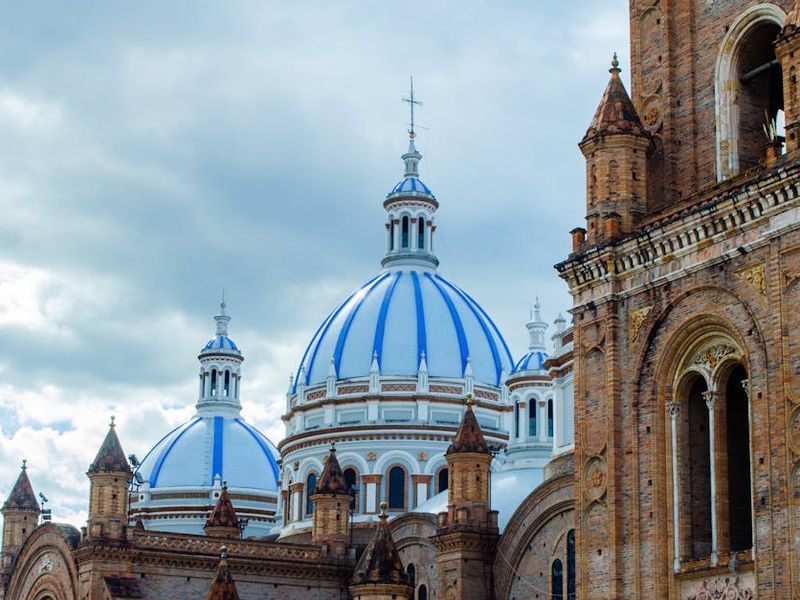
As evening falls, head to Parque Calderón to admire the New Cathedral with its iconic blue domes. Watch the city move between congregations and families, and pick a patio restaurant for a relaxed dinner. Try a local soup like caldo de gallina or mote pillo to feel nourished.
Day 2 — Historic center, museums and rooftop views
Start with a guided walking tour of the old town or a self-guided loop: Plaza Calderón, the New Cathedral (Catedral de la Inmaculada Concepción), and the Old Cathedral nearby. Don’t miss the chance to climb a rooftop terrace for a close-up photo of the blue domes and sweeping city views.
Spend the afternoon at Museo Pumapungo, an archeology and ethnography museum sitting on Inca foundations. It’s compact but rich—allow a couple of hours for exhibits and the adjacent ruins and gardens. Wrap up with a visit to a small modern art or craft museum to see contemporary Ecuadorian artists.
Day 3 — Markets, cooking class and evening music
Start early at a local market. Mercado 10 de Agosto and similar markets are sensory feasts—fresh fruit, aromatic herbs, cheese stalls and street food. A market tour with a cook or joining a cooking class after the tour is a great way to learn about local ingredients and typical dishes like llapingachos (cheesy potato patties) and cuy (guinea pig) if you’re adventurous.
In the evening, explore Calle Larga and nearby streets for live music—Cuenca’s small venues range from jazz spots to folkloric bands. Dining late is common, and outdoor patios are lively when the weather cooperates.
Day 4 — River walks, artisan shops and a relaxed afternoon
Devote this day to slower pleasures. Walk the riverside promenades and cross charming footbridges. Look for small artisan workshops where local families weave textiles, fashion Panama-style straw hats, or craft silver jewelry. If you’re in the mood, schedule a half-day pottery or textile workshop—most places welcome visitors who want to learn a few stitches or shaping techniques.
Take an afternoon break at one of the city’s many bakeries for pan de yuca or an empanada. With a full week, allow for lingering afternoons and unplanned discoveries—Cuenca rewards wandering without an agenda.
Day 5 — Day trip choice: Cajas National Park or Ingapirca
Spend a full day outside the city: two classic choices are Cajas National Park and the archaeological site of Ingapirca. Cajas is a high-altitude park of lakes, páramo and hiking trails—ideal for nature lovers and photographers. Bring warm clothes, water, and a waterproof layer; be prepared for wind and sudden weather shifts.
Ingapirca, Ecuador’s largest known Inca ruin, combines pre-Inca and Inca architecture and provides insight into Andean history. It’s drier and lower than Cajas—pair it with a visit to nearby artisan towns if time allows. Both trips can be booked through local tour operators or arranged independently by taxi or bus.
Day 6 — Artisan towns: Gualaceo and Chordeleg or a local winery
Devote a day to nearby artisan towns. Gualaceo is known for textiles and ceramics, while Chordeleg is famed for silver filigree and jewelry. Stroll markets and family-run shops, and don’t hesitate to ask artisans about their techniques—many are happy to demonstrate and discuss how pieces are made.
If you prefer a more relaxed rural option, explore a local boutique winery or coffee farm near Cuenca. Tasting regional wines and coffees gives you a direct connection to Ecuador’s agricultural diversity and offers a slower-paced alternative to busier tourist circuits.
Day 7 — Favorite revisit and farewell evening
On your final day, revisit what you loved most—perhaps a second pass through the museum, a final craft purchase, or a longer breakfast at your favorite café. Use the afternoon to pack, stroll any neighborhoods you missed, and buy small souvenirs like a Panama-style hat, an alpaca shawl, or handmade jewelry from Chordeleg.
For a memorable last night, choose a restaurant with a rooftop or riverside terrace. Toast the week with a local brew, fresh fruit juice, or a classic cocktail. Reflect on the slow rhythms and the small discoveries that make Cuenca special.
Food and drink—what to try and where
Cuenca’s food scene mixes traditional highland fare with modern bistro influences. Must-try dishes include llapingachos (potato cakes), hornado (slow-roasted pork), and local soups. For adventurous eaters, cuy (roasted guinea pig) is a traditional specialty served in many family-run restaurants. Don’t miss Ecuadorian coffee—many small roasters offer tastings and bean-to-cup tours.
For breakfasts, bakery counters are unbeatable—look for pan de huevo, pan de yuca, and freshly baked sweetbreads. For dinners, small plazas and streets around Parque Calderón and Calle Larga offer a range from affordable family kitchens to upscale tasting menus that highlight Ecuadorian ingredients.
Shopping and souvenirs with local provenance
Cuenca is a great place to buy genuine crafts. Panama-style straw hats (often made from toquilla straw) are popular—buy from reputable shops and ask about grading and care. Chordeleg’s silver jewelry is another highlight; look for filigree work and pieces crafted by local artisans. Textiles, alpaca garments, and hand-painted pottery from nearby towns make thoughtful, portable gifts.
Practical tips and money-saving ideas
- Book morning activities early in the week—museums and popular tours are quieter then.
- Use cash for small markets; credit cards are common in restaurants and hotels but carry some dollars for markets and taxis.
- Negotiate taxi fares for longer rides or agree they will use the meter; short rides in the center are inexpensive and common.
- Many museums have small admission fees—look for local or student discounts.
- Bring a reusable water bottle; filtered water is commonly available in hotels and restaurants.
Health, accessibility and family travel
Because of the altitude, take it easy on high-exertion activities your first day or two. If you’re traveling with children or elders, pick a centrally located base to minimize walking on cobblestones. Cuenca’s streets can be uneven; comfortable shoes are a must. Pharmacies are well-stocked, but carry any essential prescriptions with you.
Alternate plans for rainy or low-energy days
If rain appears (it’s common in shoulder months), swap outdoor hikes for an extended museum day, a cooking class, or a relaxed afternoon of café hopping and bookstore browsing. Cuenca’s cultural scene includes small theaters and galleries—check local listings for a concert or performance to brighten an otherwise wet day.
Final tips for making the most of your week
Balance your sightseeing with plenty of downtime. One of Cuenca’s charms is the rhythm of daily life—people meeting in plazas, families strolling after dinner, and the coffee-shop culture. Let yourself be a part of that rhythm: sit, watch, and taste slowly. Chat with shopkeepers and cafe owners—most are welcoming and can point you to lesser-known corners. With seven days, you’ll leave with both big sights ticked off and a deeper sense of place.
Whether you come for the blue-domed skyline, the artisan markets, or mountain escapes, a week in Cuenca gives you time to fall in love with the city at a gentle, memorable pace. Buen viaje—and enjoy every paseo along the river.