
Table of Contents
Why spend a week in Cuenca?
Cuenca moves at an easy pace, blending colonial charm, mountain air and a lively cultural scene. One week gives you time to fall into local rhythms: explore the historic center, taste Andean cuisine, visit craft towns, and take at least one full-day hike in dramatic highland scenery. This guide turns seven days into a balanced mix of sightseeing, shopping, nature and relaxation — with concrete tips for transport, food and safety.
Quick practical facts before you go
Cuenca sits at about 2,560 meters (8,400 ft) above sea level, so expect bright sun, cool evenings and the possibility of light rain most months. Ecuador uses the US dollar, many businesses accept cards, but carry small bills for markets and buses. The city’s airport (Mariscal La Mar, code CUE) connects to Quito and Guayaquil; long-distance buses also arrive from both cities. Basic Spanish will go a long way — locals are friendly and helpful.
Weather and what to pack
- Layered clothing: mornings and nights can be chilly while midday warms up quickly.
- Light waterproof jacket or small umbrella — showers are often brief.
- Good walking shoes for cobblestones and park trails.
- Sunscreen and a hat — the sun is strong at altitude.
- Reusable water bottle and a photocopy of your passport.
Where to stay: neighborhoods that make a week easy
Cuenca’s heart is the historic center around Parque Calderón — staying here puts you within walking distance of the cathedral, museums, restaurants and lively nighttime spots. If you want views and quieter evenings, look at accommodations near El Turi (the Turi viewpoint) or on the banks of the Río Tomebamba. Families and longer-term visitors sometimes choose neighborhoods slightly outside the centro for larger apartments and calmer streets while still being a short taxi ride away.
Getting around the city
Cuenca is very walkable in the historic center. For longer trips, official taxis are inexpensive; agree the fare before you get in if the driver doesn’t use a meter. Ride-hailing apps and remises operate in the city as well. Local buses are the cheapest option, but they can be crowded and harder to navigate if you don’t speak Spanish. Most day trips depart from the bus terminal or your hotel can help arrange a private transfer.
One-week itinerary: day-by-day
This sample plan mixes main attractions, slower exploration and full-day excursions so you return home feeling relaxed and inspired.
Day 1 — Arrival and slow introduction
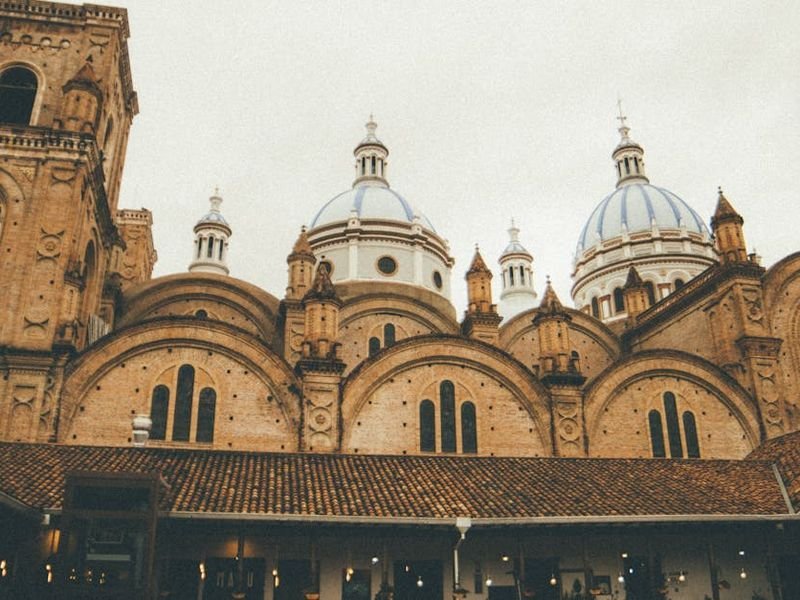
Check into your accommodation and take a relaxed walk to Parque Calderón to see the cathedral with its signature blue domes. Get coffee at a nearby café, stroll Calle Larga and follow the Río Tomebamba’s riverside promenades. Focus on orientation rather than ticking boxes: find the nearest pharmacy, ATM and grocery, and enjoy a leisurely dinner on a plaza-side terrace.
Day 2 — Museums, markets and local flavors
Start at Museo Pumapungo to see archaeological remains and ethnographic exhibits that explain the area’s indigenous history. From there, head to a central market for fresh fruit juices and a hearty local breakfast (try locro de papa, a creamy potato soup). Spend the afternoon exploring small museums and artisan shops — Cuenca is known for silver jewelry and textiles — and finish with a tapas-style dinner tasting higado encebollado or hornado at a local restaurant.
Day 3 — El Cajas National Park (full-day)
Reserve a full day for Parque Nacional Cajas, a high-altitude wonderland of páramo, glacial lakes and easy-to-strenuous hikes. It’s about a 45–60 minute drive from Cuenca. Popular short walks visit lagoons with alpaca sightings and expansive panoramic views. Bring layers, water, snacks and a waterproof shell — weather changes quickly. Guided tours are widely available and useful if you want a structured hike or birdwatching experience.
Day 4 — Artisan towns: Chordeleg and Gualaceo
Spend this day visiting nearby craft towns. Chordeleg is famous for filigree silverwork and small boutiques; Gualaceo has vibrant markets with textiles and ceramics. These towns make excellent places to buy handcrafted souvenirs — try to purchase directly from artists when possible. Many visitors combine both towns in a single day trip so you can browse shops, enjoy local snacks and learn about artisanal techniques.
Day 5 — Cultural immersion and hands-on experiences
Take a cooking class to learn Ecuadorian favorites like ceviche or seco de chivo, or join a coffee and chocolate tasting to understand local production. Alternatively, find a workshop demonstrating traditional Panama-hat weaving or silverwork. These experiences give insight into local traditions and provide memorable skills to take home.
Day 6 — Neighborhood explorations and relaxed museum day
Explore lesser-known barrios: wander the tree-lined streets across smaller plazas, visit independent art galleries, or check out a modern cultural center. Spend time in the afternoon at a spa or in a park with a book. In the evening, attend a live music performance or a folkloric show if available — Cuenca has a lively arts scene with intimate venues.
Day 7 — Last-minute shopping and a leisurely goodbye
Use your final day to revisit favorite spots, buy last souvenirs and enjoy a long lunch. Walk the riverside one last time and find a rooftop café for a view of the cathedral domes. If you have a late flight, some museums and shops offer luggage storage so you can squeeze in a final stroll without hauling bags.
Food and drink: what to try in Cuenca
Cuenca’s gastronomy makes use of Andean produce and coastal influences. Don’t miss:
- Locro de papa — a comforting potato and cheese soup.
- Hornado — slow-roasted pork typically served with mote (hominy) and salad.
- Ceviche — coastal-style seafood marinated in citrus; inland versions use shrimp or trout.
- Cuy — roasted guinea pig, an Andean specialty (try it if you’re adventurous).
- Fresh fruit juices and local coffee — small cafés roast excellent beans from nearby valleys.
Markets are great places to sample streetfood and fresh fruit. For safer culinary exploration, ask your host or hotel staff for current recommendations of reliable restaurants and cafés.
Day trips beyond the city
In addition to El Cajas and the artisan towns, consider these outings:
- Ingapirca ruins — the most important Inca archaeological site in Ecuador, reachable by a longer day trip or overnight stay.
- Local haciendas — many offer lunch, horseback rides or a chance to learn about traditional agriculture.
- Smaller nature reserves and birdwatching areas — the region’s varied elevations support diverse birdlife.
Money, costs and bargaining
Cuenca is affordable compared with many North American and European cities. Expect local meals to cost from a few dollars to around $10 in a mid-range restaurant; nicer restaurants run higher. Museums and entry fees are usually inexpensive. Bargaining is appropriate at markets for souvenirs but less so in established shops and restaurants. Use ATMs inside bank branches for safety and avoid flashing large sums of cash in public.
Safety and health tips
Cuenca is considered one of Ecuador’s safer cities, but petty theft happens anywhere tourists gather. Keep valuables secure, use hotel safes, and be cautious with smartphones and cameras in crowded spots. Drink bottled water if you have a sensitive stomach, or ask locals — many residents drink tap water without issue, but reactions can be individual.
Because of the altitude, take it easy on day one: stay hydrated, avoid heavy exercise and limit alcohol until you feel acclimatized. If you have severe altitude sensitivity, consult a physician before travel.
Useful Spanish phrases for visitors
- Hola — Hello
- Por favor / Gracias — Please / Thank you
- ¿Cuánto cuesta? — How much does it cost?
- ¿Dónde está el baño? — Where is the bathroom?
- La cuenta, por favor — The bill, please
- ¿Me puede ayudar? — Can you help me?
Even basic Spanish opens doors and makes bargaining and ordering much easier. Many people in tourist areas speak some English, but practicing Spanish is appreciated.
Final tips for a relaxed week
Book one or two experiences ahead of time (Cajas tours or a trusted cooking class), but leave room for serendipity — Cuenca rewards slow wandering. Carry small bills for street food and market finds, keep a light jacket handy, and allow at least one day to linger without a strict schedule. A week is the perfect amount of time to soak in Cuenca’s colonial beauty and use it as a base for highland adventures.
With this plan you’ll balance iconic sights, hands-on culture and outdoor discovery — returning home with photographs, handmade treasures and a taste for Andean life that lasts long after your week ends.