
Table of Contents
Why Cuenca is a smart choice for dental care
Cuenca, Ecuador has become a well-known hub for expats seeking quality dental care at a fraction of North American and European prices. The city combines experienced clinicians, modern equipment and local dental labs with costs that make multi-step procedures financially feasible. Add to that a relaxed pace of life and plenty of opportunities to recover in a historic, walkable city, and it’s easy to see why dental tourism and residency-based dental care thrive here.
Common procedures you’ll encounter
This section covers the treatments expats most often seek in Cuenca: preventive care, fillings, root canals, crowns and bridges, dental implants, veneers, extractions, dentures and orthodontics. For each, you’ll find typical timelines, approximate price ranges, and local considerations.
1. Cleanings & preventive care
Routine scaling and polishing (dental prophylaxis) are widely available and inexpensive. Most clinics use digital records and modern ultrasonic scalers.
- Typical cost: $15–$50 for a cleaning, depending on whether x‑rays and a deep (scaling and root planing) are needed.
- Timeline: one appointment every 6–12 months for most patients; more frequently if gum disease is present.
- Tip: Ask if the clinic includes a periodontal exam and periodontal charting with your cleaning — useful baseline data when you switch dentists.
2. Fillings
Composite (tooth-colored) fillings are the norm; amalgam is still available but less commonly used. Cuenca dentists typically use international brands of composite resin.
- Typical cost: $30–$120 per filling depending on size and material.
- Timeline: 1 appointment, 30–60 minutes for most fillings.
- Tip: If you need multiple fillings, negotiate a package price and request a written treatment plan before work starts.
3. Root canals (endodontics)
Root canal therapy is commonly performed by general dentists or specialists. Many clinics offer canal shaping with rotary instruments and use modern obturation materials.
- Typical cost: $100–$350 per root canal; molar root canals are at the higher end.
- Timeline: One to two visits; follow-up restoration (crown or filling) usually required.
- Tip: Ask whether the clinic takes digital x‑rays and whether a specialist will manage complex molar cases.
4. Crowns and bridges
Porcelain-fused-to-metal (PFM), all-ceramic and zirconia crowns are offered. Many local labs produce quality restorations; some clinics have onsite milling units and offer CEREC same-day crowns.
- Typical cost: $200–$600 per crown depending on material and lab quality. Bridges cost more based on the number of units.
- Timeline: 1–2 weeks for lab-made crowns; same-day possible with CAD/CAM systems.
- Tip: Request photographs of lab work and ask about the lab’s turnaround time. If color matching is important, schedule shade selection for the morning when lighting is consistent.
5. Dental implants
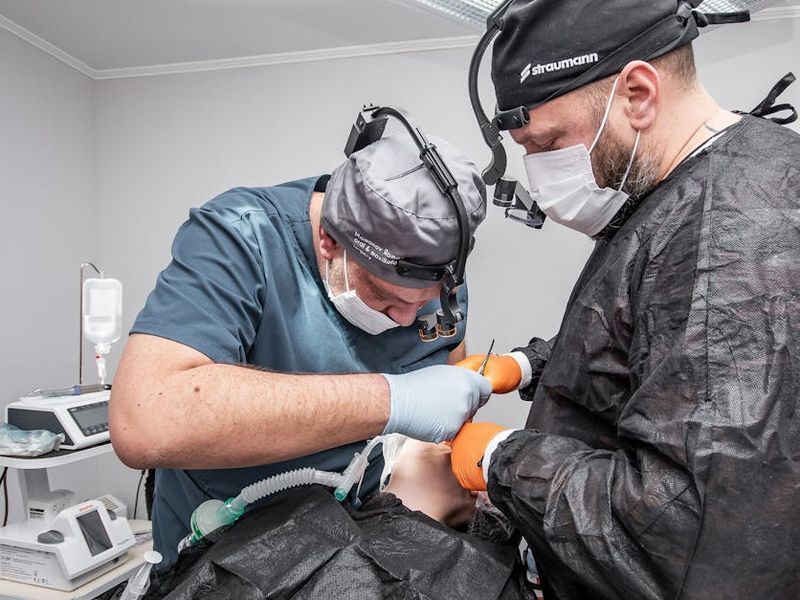
Implants are one of the most common reasons people travel to Cuenca for dental care. Many clinics use international implant systems and computerized planning, including cone beam CT (CBCT) scans for bone assessment.
- Typical cost: $800–$1,800 per implant including the surgical fee and abutment; final crown may add $300–$700 depending on material.
- Timeline: 3–6+ months from implant placement to final restoration; immediate loading options exist but depend on bone quality and case specifics.
- Tip: Ask whether the implant brand is internationally recognized and whether the clinic performs CBCT scanning. A staged plan—implant placement, healing, then restoration—often produces the most reliable results.
6. Veneers
Porcelain and composite veneers are widely available. Local labs produce high-quality porcelain veneers, often at much lower prices than in North America.
- Typical cost: $250–$800 per porcelain veneer; composite veneers are cheaper but less durable.
- Timeline: 1–2 weeks for porcelain work; composites can be done in one visit.
- Tip: Insist on a mock‑up or trial smile so you can preview shape and length before irreversible tooth preparation.
7. Extractions and oral surgery
Extractions, including impacted wisdom teeth, are handled routinely. For more complex oral surgery—bone grafts, sinus lifts, or advanced wisdom teeth extractions—specialists are available in Cuenca or nearby cities.
- Typical cost: $25–$150 for simple extractions; surgical extractions and wisdom tooth removal cost more.
- Timeline: Most procedures are single-visit; bone grafts add healing time (3–6 months) before implants.
- Tip: If you take blood thinners or have medical conditions, bring a current medical letter from your primary care doctor to coordinate safe care.
8. Dentures
Partial and full dentures are an economical option. Cuenca labs can produce well-fitting, natural-looking prostheses, and many clinics offer relines and repairs locally.
- Typical cost: $200–$800 depending on materials and customization.
- Timeline: 1–3 weeks depending on impressions, try‑ins, and adjustments.
- Tip: Have a try-in appointment before the final processing to confirm fit and aesthetics.
How much can you really save?
While prices vary, many expats find savings of 40–70% for major procedures compared with the U.S., Canada, or Europe. Savings depend on the complexity of the case and material choices. The lower cost of overhead in Cuenca allows clinics to invest in new technology without passing high costs to patients. Remember to value quality, not just price—cheap shortcuts can be costly later.
Finding the right dentist in Cuenca
Choosing a dentist is the most important step. Here are practical ways to evaluate clinics:
- Verify credentials: Check membership in the regional Colegio de Odontólogos (Colegio de Odontólogos del Azuay) and ask about post-graduate training or specialist certifications.
- Look at reviews: Google, Facebook expat groups and dedicated dental tourism forums are good sources. Pay attention to comments about follow-up care and communication.
- Ask about technology: Digital x‑rays, CBCT scans, intraoral cameras and CAD/CAM are signs of a clinic that invests in modern dentistry.
- Request a treatment plan: A written plan with costs, material brands, timelines and follow-up visits prevents surprises.
- Meet in advance: If you live in Cuenca, schedule a consultation first. If traveling for treatment, arrange a video call to review your case and expectations.
Language, communication and consent
Spanish is the lingua franca, but many dentists in Cuenca speak conversational or fluent English because of the expatriate population. If you are not comfortable in Spanish, request an English-speaking staff member or bring an interpreter for consultations and informed consent discussions. Make sure you understand the risks, alternatives and aftercare instructions in writing.
Payment, warranties and legal issues
Most clinics accept cash (USD is Ecuador’s currency), credit cards and bank transfers. Some clinics offer payment plans. Ask about warranties: reputable clinics often provide a limited guarantee on restorations (e.g., 1–5 years) provided you return for follow-up and maintenance. Keep all receipts, digital records and a copy of the written treatment plan in case you need follow-up care while traveling.
Practical travel and recovery tips
Whether you live in Cuenca or plan a medical trip, here are useful pointers:
- Altitude: Cuenca sits at about 2,560 meters (8,400 feet). Most dental procedures are fine at altitude, but if you have cardiovascular or respiratory conditions, consult your physician before major surgery or sedation.
- Flying after surgery: Avoid flying long distances immediately after major oral surgery. Check with your dentist—small procedures are often okay, but sinus lifts and complex bone grafts may require waiting several days to weeks.
- Medications: Bring a list of current medications and allergies. If prescribed antibiotics or pain medications, confirm brand names and generic equivalents in Ecuador and ask for written instructions.
- Recovery: Plan light activity and a soft-food diet for a few days after extractions or implant surgery. Cuenca’s mild climate and pleasant neighborhoods make convalescence comfortable.
- Follow-up: If you will be returning home soon, arrange a timeline for necessary follow-ups and get emergency contact details for the clinic in case an issue arises once you leave.
Red flags to watch for
Be cautious if a clinic:
- Promises unrealistic outcomes or “lifetime” guarantees without documentation.
- Refuses to provide a written treatment plan and detailed invoice.
- Insists on immediate full payment without a clear cancellation or refund policy.
- Has numerous negative reviews mentioning hygiene issues, poor communication or lack of follow-up care.
How to plan a dental trip to Cuenca
If you’re traveling specifically for dental work, plan at least two visits when possible: an initial consultation and any preliminary work (x‑rays, impressions, extractions) followed by the restorative phase. For implants, expect multiple trips unless you opt for a staged treatment that lets you complete pieces locally. Coordinate your trip with local holidays, as some clinics close on national holidays and weekends.
Making the most of Cuenca while you recover
Cuenca offers many low-impact activities perfect during recovery: riverside walks along the Tomebamba, gentle sightseeing in the historic centro, and tasty soft-food dining options (try locro de papa, mashed potato soups, and avocados). Choose accommodation near your clinic for easy follow-up visits—neighborhoods like El Centro Histórico and San Sebastián are popular with expats and have many clinics within walking distance.
Final checklist before you start treatment
- Obtain a written treatment plan, cost estimate and timeline.
- Verify credentials and read multiple patient reviews.
- Request photos of prior similar cases and ask about lab partners and material brands.
- Discuss anesthesia, sedation options and post-op pain control.
- Confirm payment methods, warranty terms and follow-up care availability.
- Bring medical history, medication list and any imaging you already have.
Wrap-up
Cuenca offers a combination of quality dentistry, modern clinics and reasonable prices that appeal to both short-term visitors and long-term expats. With careful planning, clear communication and realistic expectations, you can receive excellent dental care here while enjoying the charms of one of Ecuador’s most beloved cities. Do your homework, choose a dentist you trust, and don’t rush major decisions — good dentistry is worth the time and care you invest in it.
Adam Elliot Altholtz serves as the Administrator & Patient Coordinator of the “Smilehealth Ecuador Dental Clinic“, along with his fellow Expats’ beloved ‘Dr. No Pain‘, right here in Cuenca, Ecuador, and for purposes of discussing all your Dental needs and questions, is available virtually 24/7 on all 365 days of the year, including holidays. Adam proudly responds to ALL Expat patients from at least 7:00am to 9:00pm Ecuador time, again every single day of the year (and once more even on holidays), when you write to him by email at info@smilehealthecuador.com and also by inquiry submitted on the Dental Clinic’s fully detailed website of www.smilehealthecuador.com for you to visit any time, by day or night. Plus, you can reach Adam directly by WhatsApp at +593 98 392 9606 -or by his US phone number of 1‐(941)‐227‐0114, and the Dental Clinic’s Ecuador phone number for local Expats residing in Cuenca is 07‐410‐8745. ALWAYS, you will receive your full Dental Service in English (NEVER in Spanish), per you as an Expat either living in or desiring to visit Cuenca by your Dental Vacation, plus also to enjoy all of Ecuador’s wonders that are just waiting for you to come arouse and delight your senses.