
Table of Contents
Why Cuenca Is a Popular Choice for Dental Care
Cuenca has become one of Ecuador’s top destinations for dental care among expats and regional travelers. The city blends experienced clinicians, modern equipment, affordable prices, and a relaxed pace of life—making it ideal for combining treatment and recuperation. Clinics are concentrated in and around the historic center, near major hospitals and along main avenues, which makes appointments and follow-ups convenient for residents and visitors.
What You’ll Find in Cuenca Dental Clinics
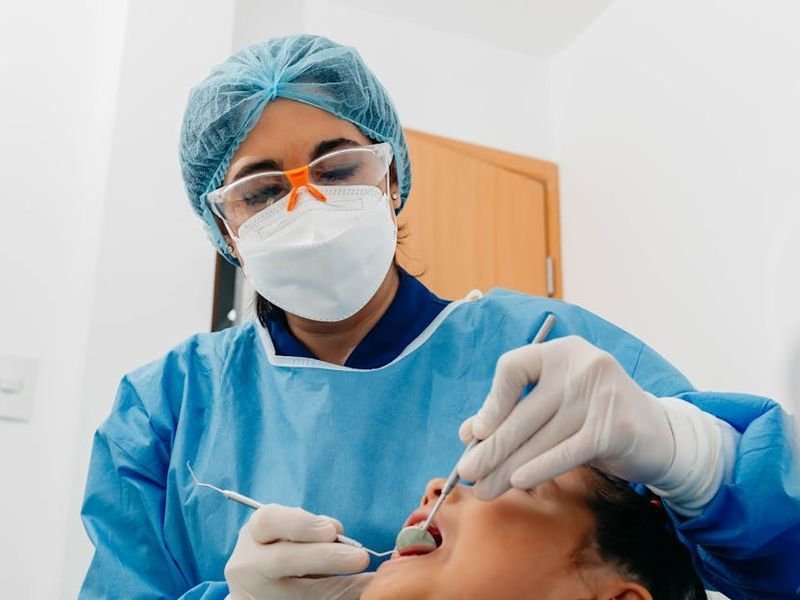
Many practices in Cuenca offer a full range of services from routine hygiene to advanced oral surgery. Clinics vary from small family-run offices to well-equipped centers with digital X-rays, intraoral scanners, and CAD/CAM milling for same-day crowns. You’ll also find English-speaking staff at many practices, though Spanish remains the dominant language—so prepare a few key phrases or bring a translator if needed.
Common Procedures Explained (and What to Expect)
Below are the most frequently performed dental procedures in Cuenca, with practical details on process, timeline, and aftercare so you can plan your trip or local care schedule.
1. Dental Cleaning and Basic Exams
Routine cleanings (scaling and polishing) are the backbone of preventive care. Expect a thorough exam with digital X-rays if you haven’t had recent images. Cleanings usually take 30–60 minutes and are recommended every six months to control plaque and gum disease. Many dentists will pair the cleaning with a short consultation to review oral hygiene at home and any needed follow-ups.
2. Fillings (Composite and Amalgam)
Fillings repair cavities and typically take one appointment. Composite (tooth-colored) fillings are widely used, while amalgam is still available in some practices. Expect local anesthesia for deeper cavities. Aftercare is minimal—avoid very hot or sticky foods for 24 hours and follow your dentist’s advice about sensitivity management.
3. Root Canal Therapy (Endodontics)
Root canals are commonly performed for infected or dead pulp tissue. Depending on the tooth and extent of infection, treatment may require one to three visits. Modern endodontists in Cuenca use rotary instruments and digital imaging to improve outcomes. Mild soreness for a few days is normal; antibiotics or pain relievers may be prescribed if there was an active infection.
4. Crowns and Bridges
Crowns restore damaged teeth. Options include porcelain-fused-to-metal, all-ceramic, and increasingly popular zirconia crowns for strong, aesthetic results. With CAD/CAM technology some clinics offer same-day crowns; otherwise expect two visits with a lab turnaround of one to two weeks. Bridges replace missing teeth and are a good option when implants aren’t suitable. Ask whether your clinic uses a local dental lab or an in-house milling unit—this affects timing and cost.
5. Dental Implants
Implants are a durable solution for missing teeth. Standard implant treatment generally involves placing a titanium fixture into the jaw, then allowing time for osseointegration (often 3–6 months) before placing the final crown. Some clinics offer immediate loading or mini-implants for temporary restorations. If you need multiple implants or All-on-4 style restorations, plan for more visits and detailed diagnostics, including 3D CBCT imaging.
6. Extractions and Surgical Procedures
Extractions range from simple tooth removals to surgical (impacted wisdom teeth, broken roots). Surgical cases often require sutures and may include bone grafts if future implants are planned. Expect swelling and limited discomfort for several days; follow postoperative instructions carefully to avoid dry socket or infection. Clinics generally provide prescription pain control and antibiotics when appropriate.
7. Dentures and Partial Prostheses
Dentures are made in stages: impressions, try-ins, and final delivery. Full dentures typically take several appointments over a few weeks. Modern flexible partials and implant-supported overdentures are also available. Good denture technicians in Cuenca can deliver well-fitting appliances, but plan for follow-up adjustments as the mouth adapts.
8. Cosmetic Procedures: Veneers and Whitening
Veneers (usually porcelain) require tooth preparation and lab fabrication, typically across two to three visits. Teeth whitening is commonly offered both as in-office gel treatments and take-home kits with custom trays. Speak with your dentist about realistic expectations and longevity—maintenance and occasional touch-ups are part of the package.
Practical Cost Ranges and What Affects Price
Costs in Cuenca are generally lower than in the U.S. or Canada, but prices vary widely depending on the clinic, materials, and the dentist’s experience. As a rough guide (approximate ranges):
- Cleaning and Exam: $25–$60
- Fillings: $40–$150
- Root Canal: $150–$450
- Crowns: $250–$800
- Implants (implant + abutment + crown): $800–$2,200
- Extractions: $30–$200
- Dentures: $200–$900
- Veneers: $250–$700
- Whitening: $120–$400
These figures are approximate and can change with currency fluctuations, the brand of implant, or the use of high-end ceramic materials. Always request a written treatment plan that lists materials, brands (when relevant), and a total cost estimate.
How to Choose a Dentist in Cuenca
Picking the right dentist is your most important decision. Here are practical steps to finding a trustworthy provider:
- Verify credentials: Ask for the dentist’s professional license number and training background. Many dentists list continuing education or international courses.
- Read reviews: Use Google, Facebook expat groups, and local forums to find patient experiences. Word-of-mouth in neighborhoods like El Centro and San Sebastián is especially helpful.
- Tour the clinic: If possible, visit beforehand to check cleanliness, sterilization equipment (autoclave), and digital imaging technology.
- Ask for before/after photos: A reputable clinician will gladly show work on comparable cases.
- Discuss materials and labs: Ask where crowns and prostheses are manufactured and what brands are used for implants or ceramic blocks.
- Confirm language support: If you’re not fluent in Spanish, verify that the dentist or the staff speaks English or arrange a translator.
Practical Tips for Expats and Dental Travelers
Planning makes your dental trip smoother and safer. Consider these practical tips:
- Bring dental records: Recent X-rays and treatment histories speed diagnosis and reduce duplicate imaging.
- Plan recovery time: For surgical work or implants, build extra days into your schedule for healing and follow-up care.
- Confirm payment methods: Many clinics accept cash, cards, and bank transfers. Ask about deposits and refunds ahead of time.
- Ask about warranties: Some practices offer limited guarantees on crowns or implants—get warranty details in writing.
- Check insurance: If you have private dental insurance, ask whether international providers are covered or if reimbursement is possible.
- Consider a second opinion: For major work, a second opinion is a good safeguard—especially for implant placement or extensive restorative plans.
Aftercare and Follow-Up in Cuenca
Proper aftercare improves outcomes. For extractions and surgeries, follow your dentist’s instructions about rest, ice, and medication. Avoid hard, crunchy foods for several days and don’t smoke. For implants, maintain strict oral hygiene and attend scheduled check-ups to monitor healing. If you live in Cuenca, ask about a maintenance schedule—scaling, hygiene visits, and periodic X-rays will preserve your investment.
Safety, Regulations, and Patient Rights
Dentists in Ecuador are regulated and must be licensed to practice. As a patient you have the right to informed consent—meaning your dentist should explain risks, benefits, alternatives, and expected costs before treatment. If anything feels uncertain, ask for clarification or request printed information. Sterilization practices, use of disposable items, and up-to-date equipment are good indicators of a clinic’s commitment to safety.
Where to Stay and How to Get Around for Appointments
Cuenca’s compact historic center (Centro Histórico) is pedestrian-friendly and filled with cafés, making it easy to stay near clinics. Neighborhoods like El Centro, La Floresta, and San Sebastián are popular for shorter stays. Taxis and app-based ride services operate across the city; many clinics will help you book reliable transportation if needed. If you’re arriving by plane, Cuenca’s Mariscal Lamar Airport (CUE) has regular connections via Quito and Guayaquil—plan your travel around any multi-visit treatment schedule.
Common Questions Expats Ask
Q: How long should I stay in Cuenca for an implant?
A: A single implant typically requires an initial visit for placement and a final visit to deliver the crown after osseointegration. Many patients plan a short trip for placement and return 3–6 months later for the restoration, although some clinics offer same-day provisional crowns.
Q: Will I be able to get prescription medications locally?
A: Yes—pharmacies in Cuenca carry common antibiotics and pain medications. Bring a copy of prescriptions and check the clinic’s post-op instructions for generic alternatives if brand-name drugs are unavailable.
Q: Are implants and crowns high quality in Cuenca?
A: Quality varies, but many clinics use internationally recognized materials and modern techniques. Ask about brands and lab work; reputable clinics will be transparent and provide warranties for prosthetics.
Final Thoughts: Planning for a Positive Dental Experience
Cuenca offers an excellent mix of affordability, competent clinicians, and modern dental technology—attributes that attract many expats and visitors seeking dental care. The key to a successful experience is research: verify credentials, get a written plan and cost estimate, prepare for language differences, and allow enough time for healing and follow-up. With thoughtful planning, Cuenca can be a comfortable and cost-effective place to get the dental care you need while enjoying one of Ecuador’s most charming cities.
Whether you need a simple cleaning or complex restorative work, use this guide to ask the right questions, weigh your options, and choose a clinic that matches your needs and comfort level. Good dental care is a long-term investment—take the time to find the right provider in Cuenca, and you’ll benefit from both savings and quality care.