
Table of Contents
Why Cuenca is a Smart Choice for Dental Care
Cuenca, Ecuador has become a magnet for expats and dental tourists seeking quality care at sensible prices. The city blends experienced clinicians, modern equipment, and English-speaking staff in a compact, walkable center—making follow-up visits and comprehensive treatment plans easier to manage. Because Ecuador uses the U.S. dollar, pricing is straightforward and often substantially lower than in North America, Western Europe, or Australia.
Overview of the Most Common Dental Procedures
This guide covers the procedures you’re most likely to encounter in Cuenca: routine cleanings, fillings, root canals, crowns and bridges, dental implants, extractions, dentures and partials, veneers and whitening, and orthodontics. For each, you’ll find what to expect, approximate price ranges, recovery tips, and questions to ask your dentist.
Dental Cleaning (Prophylaxis)
What it is: A professional cleaning removes plaque, tartar and stains and usually includes an exam and digital x-rays if needed. Many clinics offer a polish and fluoride treatment as part of the visit.
Typical cost: $25–$70 depending on whether x-rays are included.
Time and recovery: 30–60 minutes. Mild sensitivity for a day or two is normal.
Tip: If you’re new to a Cuenca dentist, bring prior dental records or ask for a baseline set of x-rays—useful for future care.
Fillings (Restorations)
What it is: Composite (tooth-colored) fillings are most common; amalgam is less used but still available. The procedure removes decay and restores tooth function.
Typical cost: $40–$150 for composite fillings; smaller or larger restorations affect price.
Time and recovery: 30–90 minutes per tooth. Some temporary sensitivity is normal.
Tip: Ask what material brand your dentist uses and whether the filling will be bonded to the tooth for longer life. Get a written estimate that specifies materials.
Root Canal Therapy (Endodontics)
What it is: Removing infected pulp inside a tooth and sealing it to save the tooth structure. Often followed by a crown.
Typical cost: $150–$450 per tooth, depending on whether a specialist does the work.
Time and recovery: 1–2 visits; discomfort for a few days is common. Antibiotics may be prescribed if infection is present.
Tip: Ask whether the clinic uses rubber dam isolation and rotary instruments—these improve outcomes. If the tooth needs a crown afterwards, negotiate package pricing to include both procedures.
Crowns, Bridges and Full-Mouth Restorations
What it is: Crowns cover damaged teeth; bridges replace missing teeth by anchoring to adjacent teeth. Options include porcelain-fused-to-metal (PFM), all-ceramic (E.max, zirconia) and metal crowns.
Typical cost: $200–$700 per crown depending on material. Bridges are priced per unit and may be discounted as a package.
Time and recovery: 2–3 visits over 2–4 weeks. Temporary crowns are standard while final work is fabricated.
Tip: Request to see lab credentials or photos of previous work. Some top Cuenca clinics partner with reputable dental labs using modern CAD/CAM technology for faster turnarounds.
Dental Implants
What it is: Titanium or ceramic implants replace missing tooth roots, topped with an abutment and crown. Implants can support single crowns, bridges, or overdentures.
Typical cost: $800–$2,000+ per implant and crown, depending on brand, materials, and whether bone grafting is needed.
Time and recovery: 3–6 months typical for osseointegration; immediate-loading options exist but are case dependent. Minor swelling and soreness follow placement.
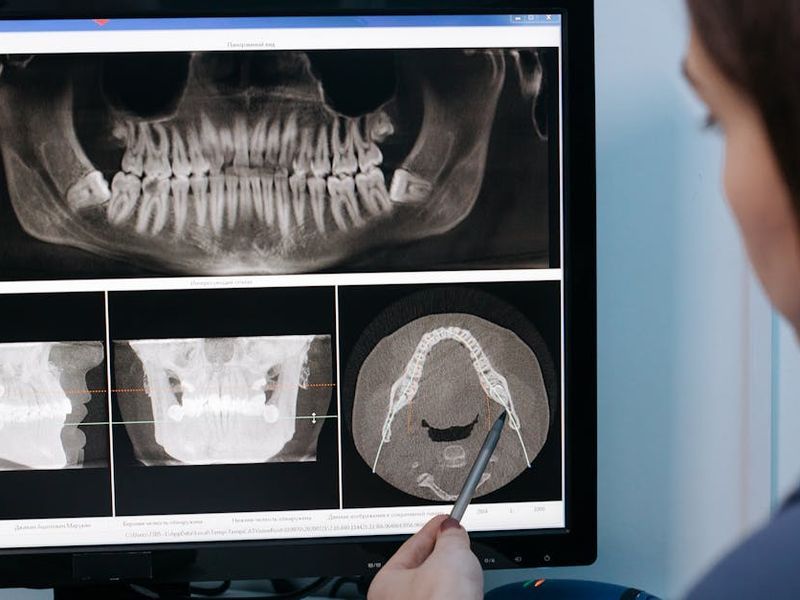
Tip: Ask which implant brand and type will be used (Nobel, Straumann, Zimmer or equivalent), whether guided surgery/CBCT scanning will be used, and what the long-term warranty is. If full implant-supported dentures are planned, discuss the whole treatment timeline including provisional restorations—many expats split this across two visits to Cuenca.
Extractions and Oral Surgery
What it is: Tooth removal ranges from simple extractions to surgical removal of impacted teeth, including wisdom teeth. Clinics often provide local anesthesia and sedation when needed.
Typical cost: $40–$200 for a simple extraction; surgical extraction and sedation cost more.
Time and recovery: 15–60 minutes per tooth; follow post-op instructions to prevent dry socket. Pain control and short antibiotic courses are commonly prescribed.
Tip: For surgical extractions, ensure your dentist has access to an on-site or nearby surgical suite and emergency protocols. If you need sedation, confirm the credentials of the anesthesiologist or sedation-trained dentist.
Cosmetic Dentistry: Veneers, Whitening and Smile Design
What it is: Veneers (porcelain or composite) reshape front teeth; whitening brightens natural teeth. Clinics in Cuenca offer smile-makeover packages combining veneers, crowns and whitening.
Typical cost: Veneers $200–$700 per tooth; in-office whitening $80–$250.
Time and recovery: Multiple visits over 2–4 weeks. Veneer work may require trials to check color and shape.
Tip: Insist on a digital mock-up or temporary veneers so you can preview changes. Cosmetic results depend heavily on the lab and the dentist’s design skills—ask for before-and-after galleries.
Orthodontics: Braces and Clear Aligners
What it is: Traditional metal or ceramic braces, and clear aligner systems (in-house or branded aligners) are commonly available. Treatment lengths vary based on complexity.
Typical cost: $900–$3,000 depending on appliance type and length of treatment.
Time and recovery: Months to years—regular adjustments needed. Aligners require discipline to wear as prescribed.
Tip: If you start orthodontic treatment in Cuenca and travel often, choose a provider who can coordinate with specialists in your home country for emergency adjustments or retainer fittings.
How to Choose the Right Dentist in Cuenca
Cuenca has a mix of small private practices and modern multi-specialty clinics. Here’s how to choose:
- Verify credentials: Ask for university degrees and membership in the Colegio de Odontólogos del Azuay (the local dental association).
- Check technology: Look for digital x-rays, intraoral cameras, and CBCT scans for implant cases.
- Ask about sterilization: Clinics should follow strict sterilization protocols—autoclaves and sealed instrument packs are a must.
- Read recent reviews: Expat Facebook groups, Google Maps, and community forums are excellent places to gather current patient feedback.
- Communication: Confirm English-speaking staff or a translator if your Spanish is limited.
Practical Tips for Dental Patients and Visitors
Plan Ahead: For multi-step work (crowns, implants), map out how many visits you’ll need and whether you’ll book return trips. Many patients schedule initial surgical phases and return months later for final restorations.
Bring Records: Provide prior x-rays and treatment notes to avoid unnecessary duplicate imaging. Electronic files are often accepted via email.
Payment and Insurance: Most clinics accept cash, cards, and sometimes bank transfer. Dental insurance from your home country may cover procedures done abroad—request detailed invoices and diagnostic codes.
Medication Access: Pharmacies in Cuenca are plentiful and well-stocked with antibiotics and analgesics. Bring a small supply of medications if traveling from abroad, especially for complex surgery.
Accommodations and Logistics: Many clinics are in or near the historic center (El Centro), making it easy to find nearby hotels, restaurants and pharmacies. If you need multiple appointments, choose accommodation within walking distance to minimize transit time on treatment days.
Safety, Warranties and Follow-Up Care
Warranties: Ask about guarantees for crowns, implants and restorative work. Some clinics honor time-limited warranties for replacements if complications arise—get terms in writing.
Follow-up care: Post-op follow-up is essential. Establish how the clinic handles complications if you leave Ecuador before final completion. Many clinics provide written post-op instructions in English and a 24/7 emergency contact number.
Second Opinions: For major or expensive treatments, seek a second opinion. Cuenca has several specialists and dental schools where supervised student clinics can offer cost-effective consultations.
Costs: Why Prices Vary and How to Compare Quotes
Price variation depends on materials, lab quality, dentist specialization, and whether advanced technology (CBCT-guided implant placement) is used. When comparing quotes:
- Compare apples to apples: Ask what’s included—temporary crowns, abutments, local anesthesia, sutures, follow-up visits, and x-rays.
- Ask for itemized quotes: This makes it easier to compare across clinics and negotiate packages.
- Be wary of extremely low prices: They can signal use of cheaper materials or less experienced hands.
Realistic Expectations and Long-Term Maintenance
Longevity of dental work depends on materials, oral hygiene, and regular maintenance. Crowns and implants can last decades with good care; veneers and fillings will require replacement over time. Schedule routine cleanings every 3–6 months if you have extensive restorative work.
Language and cultural expectations can play a role: dentists in Cuenca often practice collaboratively, and you’ll usually be encouraged to ask questions. Don’t hesitate to request clarifications or demonstration models if you’re unsure about a procedure.
Combining Dental Care with Life in Cuenca
Many expats combine dental care with settling into life in Cuenca. The city’s pleasant climate, vibrant cultural scene, and supportive expat community make recovery comfortable. Cuenca’s historic center—around Parque Calderón—offers easy access to clinics, while residential neighborhoods like El Vergel and El Batán are popular with long-term residents seeking quieter stays during treatment.
Whether you’re visiting for a single procedure or planning a phased restoration over several trips, prioritizing a clear treatment plan, verified credentials, and good communication will deliver the best outcomes. With sensible planning, Cuenca can offer excellent dental value and an enjoyable environment to restore your smile.
Final Checklist Before Your Appointment
- Collect prior dental records and current x-rays if available.
- Request an itemized written estimate and a treatment timeline.
- Confirm language support and emergency contact procedures.
- Ask about sterilization protocols and lab partners.
- Plan accommodations near your clinic for multi-visit treatments.
With the right research and realistic expectations, you can access skilled dental care in Cuenca at a fraction of the cost back home. Use this guide to ask the right questions, compare clinics wisely, and enjoy the city while getting your dental work done.
Adam Elliot Altholtz serves as the Administrator & Patient Coordinator of the “Smilehealth Ecuador Dental Clinic“, along with his fellow Expats’ beloved ‘Dr. No Pain‘, right here in Cuenca, Ecuador, and for purposes of discussing all your Dental needs and questions, is available virtually 24/7 on all 365 days of the year, including holidays. Adam proudly responds to ALL Expat patients from at least 7:00am to 9:00pm Ecuador time, again every single day of the year (and once more even on holidays), when you write to him by email at info@smilehealthecuador.com and also by inquiry submitted on the Dental Clinic’s fully detailed website of www.smilehealthecuador.com for you to visit any time, by day or night. Plus, you can reach Adam directly by WhatsApp at +593 98 392 9606 -or by his US phone number of 1‐(941)‐227‐0114, and the Dental Clinic’s Ecuador phone number for local Expats residing in Cuenca is 07‐410‐8745. ALWAYS, you will receive your full Dental Service in English (NEVER in Spanish), per you as an Expat either living in or desiring to visit Cuenca by your Dental Vacation, plus also to enjoy all of Ecuador’s wonders that are just waiting for you to come arouse and delight your senses.