
Table of Contents
Why Cuenca is a Popular Place for Dental Care
Cuenca, Ecuador, has become a magnet for expats and dental travelers searching for high-quality care at affordable prices. The city combines modern clinics, bilingual staff, and experienced dentists with the convenience of USD currency and a comfortable environment for recovery. Whether you live here year-round or are planning a short dental trip, understanding how dental services work in Cuenca will help you get better care with less stress.
Overview of the Most Common Dental Procedures
Many of the same procedures you would expect at home are widely available in Cuenca. Below is a practical rundown of frequently performed services, typical timelines, and what to ask your dentist.
1. Routine Cleaning and Checkups (Limpieza dental)
Professional dental cleaning (scaling and polishing) is the most common starting point. Most clinics recommend a visit every six months. A cleaning appointment usually includes an exam, X-rays if needed, scaling to remove tartar, and polishing. Expect to spend 30–60 minutes for a standard cleaning.
Typical cost range: $25–$60. Many expats appreciate the affordable price for quality care and often schedule cleanings along with other treatments during the same trip.
2. Fillings (Empastes)
Composite (tooth-colored) fillings are routinely used. Dentists in Cuenca will remove decay, disinfect the area, and place the composite material. Most fillings are completed in one visit; larger cavities may require more time.
Typical cost range: $30–$100 per filling, depending on size and location.
3. Root Canals (Tratamiento de conducto)
Root canal therapy is widely available and often less expensive than in North America. Treatment typically involves 1–3 visits depending on the tooth and complexity. Good clinics provide X-rays and use modern rotary instruments and biocompatible sealants.
Typical cost range: $120–$350 per canal. Molars may be at the higher end due to complexity.
4. Crowns and Onlays (Coronas y incrustaciones)
Crowns restore broken or heavily restored teeth. Materials include porcelain-fused-to-metal, full ceramic, and zirconia. Turnaround time depends on whether your dentist uses a local lab or an in-house milling system; expect 7–14 days for lab-made crowns, while some clinics offer same-day CAD/CAM crowns.
Typical cost range: $200–$600 per crown, with zirconia often at the higher end.
5. Dental Implants
Implants are one of the most requested procedures among expats. The process includes placing a titanium post into the jawbone, a healing period for osseointegration (usually 3–6 months), and then attaching an abutment and crown. Some clinics offer immediate-load implants in select cases.
Typical cost range: $900–$2,000 per implant (implant + abut + crown). Prices vary by implant system, materials, and whether bone grafting is needed.
6. Extractions and Wisdom Teeth
Simple extractions are common and typically quick. Surgical removals, especially impacted wisdom teeth, may require more time, local anesthesia, or conscious sedation. Good clinics provide detailed post-operative instructions and prescriptions for pain relief and antibiotics when necessary.
Typical cost range: $30–$150 for simple extractions; $100–$400 for surgical extractions.
7. Veneers and Cosmetic Dentistry
Porcelain veneers and composite bonding are popular for smile makeovers. Veneers typically require 2–3 visits: consultation, preparation and impressions, and final placement. High-quality porcelain veneers are a significant investment but are available in Cuenca at lower prices than in the U.S. or Europe.
Typical cost range: $200–$500 per veneer.
8. Teeth Whitening
Professional in-office whitening and take-home kits are widely available. In-office treatments use bleaching gels and lights to accelerate results, while take-home trays allow for gradual whitening. Be sure to have an exam first to rule out cavities or sensitivity issues.
Typical cost range: $80–$250.
9. Dentures and Partials
Full and partial dentures are a staple service. Many clinics provide digital or traditional impressions, fitting adjustments, and repairs. If you need immediate dentures after extractions, discuss the timeline and follow-up appointments with your dentist.
Typical cost range: $150–$700 depending on material and customization.
How to Choose a Dentist in Cuenca
Selecting the right dentist can make a big difference to your comfort and results. Here are key factors to consider when narrowing your options:
- Credentials and licensing: Ask if the dentist is registered with the local Colegio de Odontólogos (provincial dental association) and inquire about additional training or affiliations.
- Experience and specialties: If you need implants or root canals, check whether those are done by a general dentist or referred to a specialist (endodontist, oral surgeon).
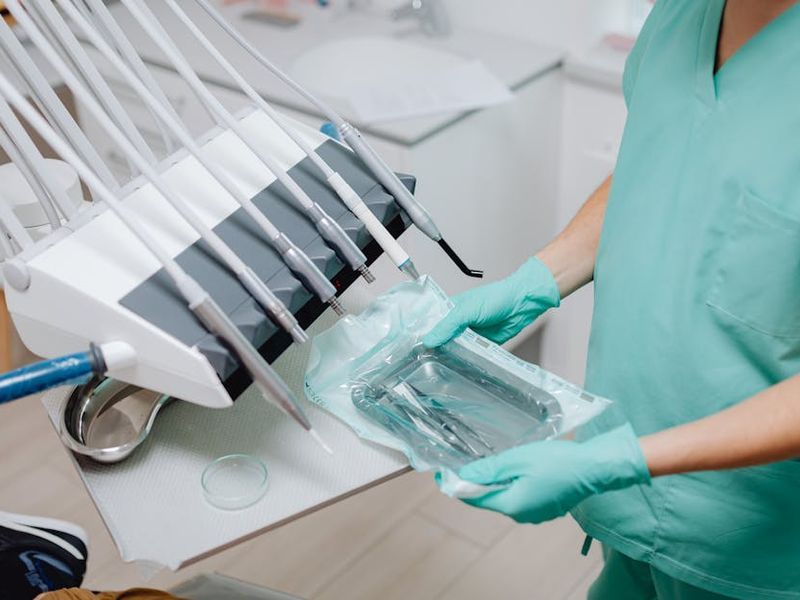
- Clinic hygiene and equipment: Look for modern sterilization protocols, digital X-rays, and clear infection-control procedures.
- Bilingual staff: Many clinics in Cuenca have English-speaking team members—ask ahead if you need explanations in English.
- Before-and-after photos and references: Reputable clinics are happy to show case studies and patient testimonials.
Practical Tips for Expats and Dental Tourists
Visiting Cuenca for dental work requires a little planning. These tips will help you make the most of your visit:
- Bring your dental records: X-rays, treatment history, and a list of current medications are invaluable for a new dentist.
- Get an itemized treatment plan: Demand a written estimate with all fees, materials, and timelines before committing.
- Ask about guarantees: Many clinics offer limited warranties on crowns and restorations—ask what is covered and for how long.
- Plan for follow-ups: Some procedures require multiple visits or healing time. Schedule return trips or coordinate with a local dentist for maintenance.
- Check payment methods: Most clinics accept cash (USD), credit cards, and sometimes bank transfers. Ask if receipts are provided for insurance claims.
- Consider time of year: High season for dental tourism can mean busier practices—book well in advance.
Costs, Brands, and Materials: What to Ask
Understanding the materials used and brands behind implants or restorations lets you compare quality, not just price. When speaking with a dentist, consider these questions:
- Which implant system and crown materials will be used?
- Will the crown be milled in-house or through an external lab?
- Are local labs accredited, and can I see the lab or digital workflow?
- What types of anesthetics or sedation are available?
Don’t be shy to ask for clarification. Many dentists appreciate informed patients and will walk you through the pros and cons of each option.
Language and Cultural Tips
Spanish is the primary language in Cuenca, but many dentists and clinic staff speak at least basic English. To make communication smoother:
- Learn a few dental Spanish phrases (e.g., “dolor” for pain, “infección” for infection, “anestesia” for anesthesia).
- Bring a friend who speaks Spanish if you’re not confident; translation apps also work well for medical vocabulary.
- Be respectful of appointment times; Cuenca clinics value punctuality, but minor delays can happen—allow some flexibility.
Aftercare and Recovery in Cuenca
Good aftercare is critical. Your clinic should give you written instructions in Spanish and English on pain management, oral hygiene, diet, and signs of complications. Pharmacies in Cuenca are well-stocked with common prescriptions like antibiotics and pain relievers, and many pharmacists speak English.
If you’re recovering from surgery or implant placement, choose accommodation close to the clinic and consider light activities like walking in the historic center (Parque Calderón and surrounding plazas) rather than strenuous hiking until you’re cleared.
Dealing with Complications or Follow-up Care
Even with the best care, complications can occur. Ask your dentist about emergency contact procedures, after-hours care, and whether follow-up visits are included. Many reputable clinics will address issues arising soon after treatment without additional charges, but confirm this ahead of time.
Insurance and Reimbursement
Public health insurance in Ecuador does not typically cover elective dental work. If you have private international or travel insurance, check your policy for out-of-country dental coverage. Keep detailed receipts, procedure codes, and photos to submit for reimbursement if applicable. Some clinics can provide documentation tailored for insurance claims.
Combining Dental Care with Visiting Cuenca
Cuenca is an appealing recovery spot. The city’s moderate climate, colonial architecture, and calm pace make it easy to rest. If you’re planning multiple procedures, you can schedule cultural visits between appointments—light activities such as visiting the Museum of Modern Art, strolling the Tomebamba River, or sampling local cuisine are ideal for recovery days.
Final Checklist Before Booking Treatment
- Get a clear, written treatment plan and cost estimate.
- Verify dentist credentials and clinic hygiene standards.
- Confirm language support and translation options.
- Plan your travel and recovery time according to recommended timelines for the procedures.
- Keep copies of all records and receipts for future reference or insurance claims.
Conclusion: Smart, Informed Dental Care in Cuenca
Cuenca offers a compelling mix of quality, affordability, and convenience for dental patients. By researching clinics, asking the right questions, and planning your treatment and recovery, you can take advantage of excellent dental services while enjoying life in one of Ecuador’s most charming cities. Whether you need a routine cleaning or a full smile makeover, a little preparation goes a long way toward a positive experience.
Ready to explore dental options in Cuenca? Start by scheduling a consultation with a clinic, bringing your dental records, and listing your priorities—cost, timeline, materials, or bilingual services—and you’ll be on your way to a healthier smile.
Adam Elliot Altholtz serves as the Administrator & Patient Coordinator of the “Smilehealth Ecuador Dental Clinic“, along with his fellow Expats’ beloved ‘Dr. No Pain‘, right here in Cuenca, Ecuador, and for purposes of discussing all your Dental needs and questions, is available virtually 24/7 on all 365 days of the year, including holidays. Adam proudly responds to ALL Expat patients from at least 7:00am to 9:00pm Ecuador time, again every single day of the year (and once more even on holidays), when you write to him by email at info@smilehealthecuador.com and also by inquiry submitted on the Dental Clinic’s fully detailed website of www.smilehealthecuador.com for you to visit any time, by day or night. Plus, you can reach Adam directly by WhatsApp at +593 98 392 9606 -or by his US phone number of 1‐(941)‐227‐0114, and the Dental Clinic’s Ecuador phone number for local Expats residing in Cuenca is 07‐410‐8745. ALWAYS, you will receive your full Dental Service in English (NEVER in Spanish), per you as an Expat either living in or desiring to visit Cuenca by your Dental Vacation, plus also to enjoy all of Ecuador’s wonders that are just waiting for you to come arouse and delight your senses.