
Table of Contents
Why Cuenca Is a Popular Place for Dental Care
Cuenca has become a magnet for expats and dental tourists seeking high-quality dental work at a fraction of U.S. or European prices. The city’s mix of modern clinics, experienced dentists, and an affordable cost of living makes restorative, cosmetic, and preventive dentistry accessible for many. Add picturesque cobblestone streets, reliable public services, and good international flight connections, and it’s easy to see why people plan dental trips around stays in this colonial gem.
Understanding the Local Dental Scene
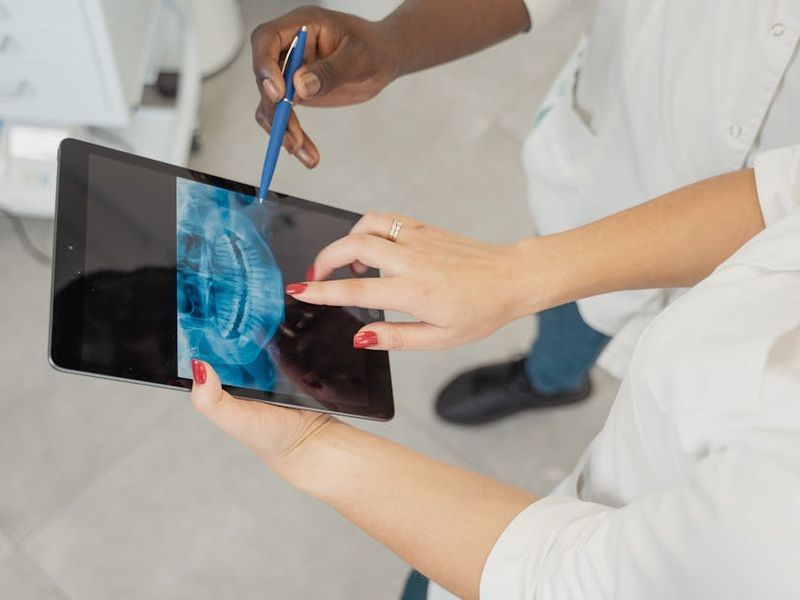
Cuenca’s dental community ranges from compact neighborhood practices to fully equipped clinics with digital X-rays, 3D imaging, and implant technology. Many dentists receive training at Ecuadorian universities and participate in continuing education courses. While not all clinics are equal, most reputable offices follow modern sterilization protocols and offer written treatment plans. Expat-focused clinics and bilingual staff are common, especially in areas popular with foreigners.
Most Common Dental Procedures in Cuenca: What to Expect
Below are the procedures most frequently sought by locals, expats, and dental tourists. Each entry explains what the treatment involves, typical recovery, and approximate cost ranges in U.S. dollars. Remember: prices vary by clinic, materials, and the dentist’s experience.
1. Routine Dental Cleanings and Exams
What it is: Professional cleaning (scaling and polishing) and an oral exam with X-rays if needed. Recommended every six months to prevent gum disease.
Recovery: None; you can resume normal activities immediately.
Cost (approx.): $20–$60 per cleaning; X-rays an additional $10–$40.
2. Fillings and Restorations
What it is: Removal of decay and restoration with composite (tooth-colored) filling or amalgam. Composite fillings are standard in most modern clinics.
Recovery: Minimal; sensitivity for a few days is common.
Cost (approx.): $40–$120 per tooth, depending on size and material.
3. Root Canal Therapy
What it is: Treatment to remove infected pulp within a tooth, followed by cleaning, disinfection, and filling the canals. Frequently followed by a crown for strength.
Recovery: Mild discomfort for a few days; antibiotics and pain meds as needed.
Cost (approx.): $150–$400 per tooth; higher for molars and if a crown is required.
4. Crowns and Bridges
What it is: Crowns (caps) restore a tooth’s shape and function after extensive decay or root canal. Bridges replace one or more missing teeth by anchoring to adjacent teeth.
Recovery: Few days for sensitivity; temporary crowns typically used while the permanent crown is made.
Cost (approx.): $150–$450 per crown depending on material (porcelain-fused-to-metal, all-ceramic, or zirconia). Bridges vary by number of units.
5. Dental Implants
What it is: Titanium posts placed in the jaw to support crowns, bridges, or dentures. A multi-stage process that can include bone grafting if needed.
Recovery: Several weeks to months for osseointegration (implant fusing to bone) followed by placement of the final crown. Temporary prostheses may be provided.
Cost (approx.): $800–$1,800 per implant and crown in Cuenca. Price depends on brand of implant, type of crown, and whether bone grafts or sinus lifts are needed.
6. Veneers and Cosmetic Dentistry
What it is: Porcelain or composite veneers cover the front of teeth to improve appearance. Also includes bonding, smile design, and tooth reshaping.
Recovery: Minimal; temporary sensitivity may occur.
Cost (approx.): $200–$700 per veneer for porcelain; composite veneers are less expensive but less durable.
7. Teeth Whitening
What it is: In-office whitening using higher concentration gels and light activation, or professionally supervised take-home trays.
Recovery: Mild sensitivity for 24–72 hours.
Cost (approx.): $120–$300 for in-office treatments; take-home kits $80–$180.
8. Orthodontics (Braces and Clear Aligners)
What it is: Treatment to straighten teeth and correct bites. Options include traditional metal braces, ceramic braces, and clear aligners.
Recovery: Long-term process (12–36 months typical). Periodic adjustments or aligner changes required.
Cost (approx.): $1,200–$3,500 depending on the system and case complexity.
How to Choose a Dentist in Cuenca
Choosing the right clinic matters more than chasing the lowest price. Here are practical steps to find a dentist you can trust:
- Ask for credentials and confirm the dentist is registered with the provincial dental association or Colegio de Odontólogos. Most reputable dentists will be happy to show certificates and continuing education records.
- Look for modern diagnostic tools: digital X-rays, intraoral cameras, and 3D imaging for implant planning.
- Check sterilization protocols: autoclaves should be visible; disposable items used when appropriate; ask about infection control procedures.
- Read reviews on Google Maps, Facebook expat groups (Cuenca Expats, Americans in Cuenca), and dental tourism forums. Personal referrals from other expats carry a lot of weight.
- Request a written treatment plan with itemized costs before committing. This helps avoid surprise fees.
- Find out warranty policies. Many clinics offer a limited warranty on crowns, implants, or restorative work if you follow post-op instructions and return for scheduled check-ups.
Costs, Payment, and Insurance
Dental fees in Cuenca are quoted in U.S. dollars at many clinics, but always confirm currency. Cash payments sometimes receive a small discount; most clinics accept cards and bank transfers. If you have international dental insurance, check whether reimbursements are allowed for out-of-country care—ask the clinic for detailed receipts that include procedure codes and materials.
Some clinics offer financing plans or phased treatment to spread costs over time. For complex procedures (implants, full-mouth reconstructions), get multiple opinions and compare quotes. A slightly higher upfront cost can be worth it for better materials, more experienced clinicians, and stronger warranties.
Planning a Dental Trip to Cuenca: Tips and Timelines
Dental tourism is common here, but good planning makes it smoother. Consider these tips:
- Book an initial consultation first. Most clinics will do an exam and X-rays and then provide a plan and estimate.
- Schedule multi-step treatments over two or more visits if possible: for example, implant placement followed by a 2–4 month healing period and then prosthetic placement.
- Combine treatment with downtime: schedule a few days of rest after major procedures, and avoid strenuous travel immediately afterward.
- Arrange accommodations near the clinic—downtown El Centro, San Sebastián, or near the Tomebamba River are convenient areas with short taxi rides to many clinics.
- Bring copies of dental records and X-rays from your home dentist if available. That helps the local clinician plan more accurately.
Language and Communication
Many dental offices in Cuenca have staff who speak at least some English, but Spanish will remain the primary language in many practices. If you’re not comfortable in Spanish, ask whether the clinic has bilingual staff or if you can bring an interpreter. Speaking clearly about your expectations, allergies, and medical history is essential—don’t be shy about requesting clarification or translations for consent forms.
Aftercare and Follow-Up: Protect Your Investment
Post-procedural care can make or break outcomes, especially for implants and orthodontics. Follow these general rules:
- Keep follow-up appointments. Many warranties require documented follow-ups.
- Maintain oral hygiene: brush after meals, floss daily, and use any prescribed mouth rinses.
- Follow dietary restrictions after procedures—soft foods after extractions or implant surgery, for example.
- If you’re an expat living long-term in Cuenca, establish a relationship with a local dentist for routine care and emergency needs.
Handling Dental Emergencies in Cuenca
Emergency dental care is available—most clinics can see acute cases such as severe pain, swelling, or knocked-out teeth within 24 hours. If you experience fever, spreading swelling, or difficulty breathing, seek hospital care immediately. For less acute emergencies, call your clinic for guidance: they can often prescribe antibiotics or pain medications and schedule a prompt appointment.
Common Questions from Expats and Visitors
Q: Is it safe to get implants or crowns in Cuenca? A: Yes—when performed by trained clinicians in well-equipped clinics. Ask about implant brand, guided surgery protocols, and follow-up care.
Q: Will my dental work match U.S. standards? A: Many clinics use materials and prosthetic labs comparable to international standards. Request high-quality ceramic or zirconia options if aesthetics and longevity are priorities.
Q: Can I get sedation or IV anesthesia? A: Some clinics offer oral sedation, nitrous oxide, or IV sedation for anxious patients, but availability varies. Discuss risks, recovery, and the need for a companion post-procedure.
Practical Local Tips
- Neighborhoods: Look for clinics in El Centro (convenient for tourists), San Sebastián (historic district), or near Azuay University for a mix of private and university-affiliated services.
- Appointments: Weekdays fill up faster than weekends. Book ahead, especially for popular specialists and implant surgeons.
- Labs and Materials: Many clinics work with local dental labs for crowns and dentures; ask if they use international ceramic brands if color matching and durability are important to you.
- Expat Resources: Join local expat Facebook groups and forums—members often post up-to-date recommendations and personal experiences.
Final Checklist Before You Go
Before traveling for dental care in Cuenca, use this short checklist:
- Get a preliminary consultation and a written estimate.
- Confirm language support and ask for treatment consent forms in a language you understand.
- Ask about infection control and whether the clinic uses disposable items where appropriate.
- Arrange accommodations near your clinic, and plan rest days around major procedures.
- Keep copies of all records and receipts for insurance or future care needs.
Conclusion: Smart Choices Lead to Great Smiles
Cuenca offers an excellent blend of affordability, professional dental care, and comfortable travel experiences—making it an attractive option for routine and elective dental work. With careful research, clear communication, and realistic planning, you can get high-quality treatment in a pleasant setting. Whether you’re a long-term expat setting down roots or a visitor planning a dental-focused trip, Cuenca has many capable clinicians ready to help you achieve and maintain a healthy smile.
Ready to take the next step? Start with an online clinic search, join a local expat group for firsthand recommendations, and schedule a consultation to compare treatment plans. Your best dental outcome begins with an informed choice.
Adam Elliot Altholtz serves as the Administrator & Patient Coordinator of the “Smilehealth Ecuador Dental Clinic“, along with his fellow Expats’ beloved ‘Dr. No Pain‘, right here in Cuenca, Ecuador, and for purposes of discussing all your Dental needs and questions, is available virtually 24/7 on all 365 days of the year, including holidays. Adam proudly responds to ALL Expat patients from at least 7:00am to 9:00pm Ecuador time, again every single day of the year (and once more even on holidays), when you write to him by email at info@smilehealthecuador.com and also by inquiry submitted on the Dental Clinic’s fully detailed website of www.smilehealthecuador.com for you to visit any time, by day or night. Plus, you can reach Adam directly by WhatsApp at +593 98 392 9606 -or by his US phone number of 1‐(941)‐227‐0114, and the Dental Clinic’s Ecuador phone number for local Expats residing in Cuenca is 07‐410‐8745. ALWAYS, you will receive your full Dental Service in English (NEVER in Spanish), per you as an Expat either living in or desiring to visit Cuenca by your Dental Vacation, plus also to enjoy all of Ecuador’s wonders that are just waiting for you to come arouse and delight your senses.