
Table of Contents
Why Ship to Cuenca? Understanding the Big Picture
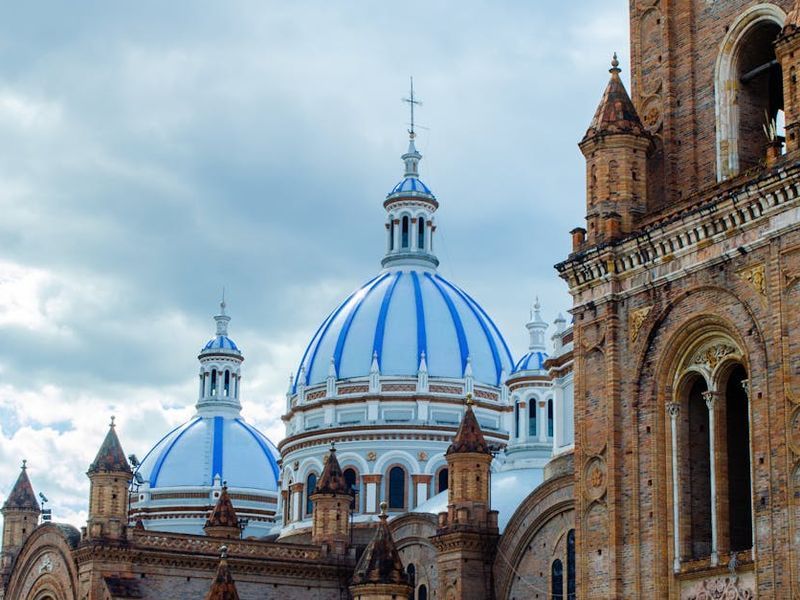
Cuenca’s colonial charm, comfortable climate, and established expat community make it a popular destination for people relocating from the United States. When planning your move, one of the biggest decisions is what — and how — to ship. Shipping can be economical for bulky, sentimental, or expensive-to-replace items, but it also adds paperwork, time, and coordination. This guide walks you through practical options, realistic timelines, customs requirements, and helpful local details specific to Cuenca so you can make informed choices.
Shipping Options: What Works Best for Different Needs
Full Container Load (FCL)
FCL means you rent an entire 20ft or 40ft container. It’s cost-effective if you’re moving a houseful of furniture. Containers are loaded at a U.S. terminal, sealed, shipped to Ecuador (typically via the port of Guayaquil), then cleared through customs and delivered. Pros: better protection, usually lower per-cubic-foot cost for large moves. Cons: higher absolute cost, requires space and coordination at both ends.
Less Than Container Load (LCL) / Consolidated Cargo
LCL consolidates multiple customers’ shipments in one container. This is a good choice if you don’t have enough items to justify a full container. It’s cheaper than FCL on a small scale but takes longer because your goods wait for the consolidation schedule and may transfer multiple times.
Air Freight
Air is the fastest but most expensive option and best for small, urgent, or high-value items. Shipments will arrive at airports like Mariscal Sucre (UIO), José Joaquín de Olmedo in Guayaquil (GYE), or Mariscal Lamar in Cuenca (CUE) depending on carrier service. Keep in mind volume and weight both affect price—air freight is usually calculated by chargeable weight.
Courier Services (DHL, UPS, FedEx, USPS)
For boxes and a handful of personal items, international couriers are convenient and reliable. They handle door-to-door tracking and customs clearance for small parcels, but costs rise quickly with weight. If you choose courier, remember that restricted items (alcohol, certain electronics, medications) may need extra documentation.
Where Your Shipment Arrives: Ports and Airports
The most common seaport for shipments to Cuenca is the Port of Guayaquil (Puerto Marítimo de Guayaquil). From Guayaquil it’s roughly 195 km to Cuenca by road—about 3.5–4 hours depending on traffic and route. Many sea shipments clear customs in Guayaquil and are trucked inland to Cuenca.
Air cargo can arrive directly into Cuenca at Mariscal Lamar International Airport (CUE) for smaller shipments, or via Quito (Mariscal Sucre UIO) and Guayaquil (GYE) for larger airfreight handling. Discuss final routing with your forwarder.
Timelines: How Long Will It Take?
Shipping time varies widely by method:
- FCL ocean freight: 3–8 weeks door-to-door depending on origin port, transit, customs clearance and inland delivery.
- LCL ocean freight: 6–10 weeks because of consolidation and deconsolidation.
- Air freight: 3–14 days depending on routing and customs processing.
- Courier: 3–10 business days for most small parcels.
Also factor in time for packing, booking, documentation, and customs clearance. Start planning at least 2–3 months before you want items in Cuenca; for large or peak-season moves, begin 4–6 months ahead.
Customs and Regulations: What to Expect in Ecuador
Ecuadorian customs regulations change periodically, so verify the latest rules before you ship. Here are the common elements you’ll encounter when moving household goods to Cuenca.
Residency and Duty Exemptions
Many people who move to Ecuador for residency can import used household goods and personal effects with reduced or zero duties if they meet certain residency and timing requirements. Typically you’ll need proof of residency (visa or cedula), passport copies, and an inventory of used goods. Confirm current eligibility windows (for example, time since arrival or visa issuance) with the Ecuadorian consulate or your customs broker.
Documentation You’ll Likely Need
- Bill of Lading (ocean) or Air Waybill (air)
- Commercial invoice or household goods inventory with values
- Passport copy and visa/residency documents
- Power of Attorney for your customs broker (often required)
- Certificates for restricted items (e.g., phytosanitary certificate for plants or wood)
Always have translated copies in Spanish if your documents are in English, and have originals available during clearance.
Packing, Labeling, and What Not to Ship
Packing thoughtfully reduces damage, customs hassles, and cost. Use sturdy, double-walled boxes for breakables, and consider palletizing heavier items. Label each box with its contents and the room where it should go in Cuenca. Take photos of electronics and condition of furniture before shipping.
Items Often Restricted or Problematic
- Pets and plants: require vaccination records, health certificates, and sometimes quarantine—plan months ahead.
- Wooden items: may need fumigation or a phytosanitary certificate to prevent pests.
- Firearms, ammunition, certain chemicals and medications: require permits or are prohibited.
- Vehicles: importing a car has special taxes and regulations; used vehicles often face higher duties and restrictions.
If in doubt, ask a customs broker before packing such items.
Insurance: Protecting Your Belongings
Marine or freight insurance is a small percentage of your declared value but can save you if cargo is lost or damaged. Options range from all-risk policies to limited coverage; inspect policy exclusions (e.g., war, strikes, poor packing). For high-value items like artwork or antiques, buy specialized coverage and consider shipping separately with additional security.
Finding and Working with Freight Forwarders and Brokers
Hire a freight forwarder experienced with Ecuador and preferably with a local partner in Cuenca. Look for a company that offers transparency in costs (freight, port charges, customs brokerage, inland trucking), provides references, and explains required paperwork clearly. Ask whether they provide door-to-door service or port-to-door, and whether they handle customs clearance or subcontract it.
Important questions to ask prospective forwarders:
- How long will each step take and what are the estimated arrival dates?
- What costs are included and what fees are likely to be extra?
- Do you arrange customs brokerage and local delivery in Cuenca?
- Can you provide references from customers who shipped to Cuenca?
- What insurance options do you offer?
Last-Mile Delivery in Cuenca: Streets, Parking, and Staircases
Cuenca’s historic center (Centro Histórico) has narrow cobblestone streets and limited parking, which can complicate delivery by large truck. If you live in the old town or a neighborhood with tight streets, plan for one of these approaches:
- Deliver to a nearby wider street where a truck can park and then use a smaller vehicle or trolley for the last stretch.
- Book local movers in Cuenca for last-mile handling — they know building rules, elevator measurements, and neighborhood logistics.
- Schedule delivery during off-peak hours and obtain temporary parking permits if available or necessary.
Also be prepared for building restrictions: many older Cuenca buildings lack elevators, and carriers may charge extra for multiple flights of stairs.
Cost Estimates and Budgeting Tips
Costs depend on volume, method, origin, season, and additional services. Instead of exact quotes that can vary, use these budgeting guidelines:
- Small boxes via courier: $100–$500 per box range depending on size and speed.
- LCL ocean freight: moderate (often a few hundred to a few thousand dollars total) depending on cubic meters and origin port.
- Full container (20ft): typically more economical per cubic foot for a whole-house move, but expect several thousand dollars inclusive of freight, port charges and inland trucking.
- Air freight: high—often priced per kilogram or cubic meter; good for urgent or compact high-value items.
Always get multiple quotes and ask for a detailed breakdown: freight, origin terminal charges, customs clearance, duties/taxes, port handling, inland trucking to Cuenca, and delivery/unloading fees.
Alternatives to Shipping: Buy or Store Locally
Before committing to a large shipment, consider alternatives that often save money and hassle:
- Sell or donate bulky furniture in the U.S. and buy locally in Cuenca. There’s a thriving market for used furniture, and many expats sell items on local Facebook groups.
- Ship only essential or sentimental items, and buy appliances and furnishings upon arrival.
- Use long-term U.S. storage for remaining items and ship them later when you’ve settled in.
Remember that Ecuador’s retail and secondhand markets can be surprisingly good for certain items, while specialty U.S. items may be hard to replace.
Step-by-Step Moving Timeline and Checklist
Here’s a practical timeline to keep your move on track:
- 3–6 months before departure: Declutter, decide what to ship vs sell, research forwarders, and get initial quotes.
- 2–3 months: Book your freight forwarder or courier, start gathering key documents (passport, visa/residency), and arrange pet or vehicle permits if needed.
- 4–6 weeks: Finalize packing list and inventory, buy insurance, complete any required certificates (phytosanitary for plants, etc.).
- 2–3 weeks: Confirm shipment dates, make last-minute purchases for items you’ll keep with you, and prepare for customs broker power of attorney.
- On arrival to Cuenca: Be available during customs clearance if originals are needed and coordinate local delivery timing to avoid storage fees.
Common Pitfalls and How to Avoid Them
Many relocations encounter similar mistakes—these tips help you avoid them:
- Don’t assume rules are the same as other countries. Ecuador’s customs procedures and required paperwork are country-specific; verify before you ship.
- Avoid last-minute shipping. Late bookings increase costs and reduce options.
- Don’t under-declare values to save duty — this risks fines, seizure, or delays.
- Know neighborhood delivery limitations in Cuenca to prevent unexpected extra charges for last-mile handling.
Final Tips for a Smooth Move to Cuenca
Plan early, work with experienced partners, and keep your expectations realistic. Use a bilingual customs broker if you’re not fluent in Spanish—many forwarders offer bilingual service. Keep digital and physical copies of all key documents, and photograph final packing configurations for claims if needed. Remember that Ecuador uses the U.S. dollar, which often simplifies payments for freight and local services.
Shipping household goods to Cuenca is a manageable task with the right planning. By choosing the shipping method that fits your budget and timeline, hiring local expertise for customs and local delivery, and preparing documents thoroughly, you’ll minimize stress and be ready to enjoy life in this beautiful Andean city.
Quick Moving Checklist
- Obtain quotes from 3+ forwarders experienced with Ecuador
- Decide FCL vs LCL vs air vs courier
- Gather passports, visas/cedula copies, and inventory list
- Arrange marine insurance and declare values accurately
- Prepare special documents for pets, plants, vehicles
- Coordinate local Cuenca delivery and consider final-mile movers
- Confirm arrival dates and stay available during customs clearance
With these steps and local considerations for Cuenca in mind, you’ll be well-prepared to ship the belongings you need and begin a comfortable life in one of Ecuador’s most beloved cities.