
Table of Contents
Introduction: Why Medicare and Cuenca Deserve a Plan
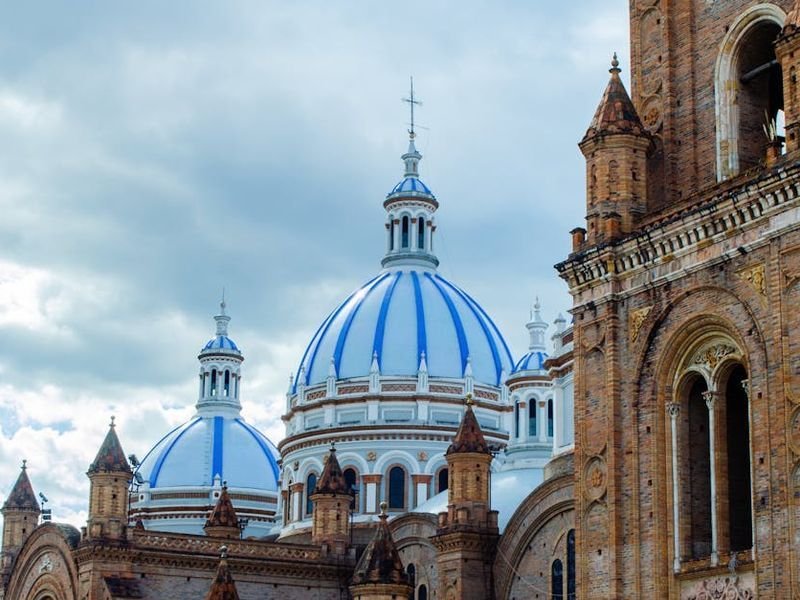
Cuenca draws retirees and expats with its colonial charm, moderate climate and lower cost of living. But health care is one of the most important logistics to sort before you unpack. Many Americans assume Medicare will travel with them — it usually won’t — so planning for medical care in Cuenca is essential. This article walks through what Medicare covers, how health care in Ecuador (and specifically Cuenca) works, and practical steps to stay healthy and financially protected after your move.
At a Glance: What Medicare Actually Covers Abroad
Medicare’s basic rule is simple: it primarily covers care received within the United States and U.S. territories. For most Americans, Medicare Part A, B and D will not pay for routine or emergency care obtained in Ecuador. There are rare, specific exceptions where Medicare pays for emergency services outside the U.S., but these are uncommon and highly conditional. Don’t count on Medicare to reimburse foreign medical bills.
Key takeaways about Medicare
- Medicare typically won’t pay for care in Ecuador.
- You can keep Medicare while living abroad, but you won’t have effective coverage overseas.
- Dropping Part B to avoid premiums is possible, but re-enrolling later may trigger penalties.
- Always verify your situation with Medicare.gov or a benefits advisor before making changes.
Overview of Ecuador’s Health System: Public, Social Security and Private
Ecuador’s health care is a mix of public hospitals run by the Ministry of Public Health (MSP), a social security system (IESS) that covers formal workers and contributors, and a growing private sector that serves expats, medical tourists and wealthier locals. Cuenca, as a regional capital, has access to each of these sectors.
MSP (Ministry of Public Health)
Public clinics and hospitals provide low-cost care to residents. Services are often free or low-cost but vary in wait times and facilities. For basic care, community clinics are a practical option, especially for routine checkups and vaccinations.
IESS (Instituto Ecuatoriano de Seguridad Social)
IESS covers people who work in Ecuador and those who make voluntary contributions. Benefits include primary and specialist care, maternity, and some surgeries. Expats who plan to work or who want more comprehensive public coverage can investigate voluntary affiliation, but this requires paperwork and regular contributions.
Private clinics and hospitals
Private providers in Cuenca offer faster appointments, newer equipment and English-speaking staff at many facilities. Costs are significantly lower than the United States, making private care attractive for those who can pay out-of-pocket or use private insurance.
Cuenca’s Health Care Scene: What to Expect Locally
Cuenca has a solid health-care infrastructure for a city of its size. You’ll find public hospitals, private clinics, dental practices, diagnostic centers and pharmacies across town. While Lima or Quito may have larger specialty centers, Cuenca provides comprehensive care for most needs.
Common services available in Cuenca
- Primary care and family medicine
- Specialists: internal medicine, cardiology, orthopedics, ophthalmology, dermatology
- Dental and optical clinics with modern equipment
- Imaging: X‑ray, ultrasound, CT and MRI in many private centers
- Elective surgeries and outpatient procedures
Many expats report quick access to good private dentists and eye surgeons — two areas where cost savings can be substantial compared to U.S. prices. Pharmacies are plentiful, and many carry international brand medications at lower prices. Some pharmacies in Cuenca operate 24/7, and local neighborhood pharmacies (boticas) handle routine needs.
Costs: Typical Price Ranges in Cuenca (Approximate)
While prices change, you can expect dramatically lower rates than the U.S. Here are ballpark figures that help with planning:
- Primary-care visit: $20–$40
- Specialist visit: $30–$70
- Blood tests: $10–$60 depending on complexity
- MRI or CT: $150–$450
- Dental crowns, implants and major dental work: often 40–70% less than U.S. prices
- Routine prescription drugs: often 30–70% cheaper
These ranges depend on whether you use public or private services, the clinic reputation and whether you have local insurance.
Insurance Options for Americans in Cuenca
Because Medicare won’t generally cover Ecuador care, most Americans rely on one or a combination of: travel insurance, international private insurance plans, paying out-of-pocket, or enrolling in Ecuadorian systems. Here’s how to evaluate each.
Short-term travel insurance
If your move is temporary or you’re testing life in Cuenca, travel medical insurance can cover emergency treatment and evacuation for limited periods. These plans are affordable and designed for travelers but aren’t substitutes for long-term care or chronic condition management.
International private health insurance
Global health insurers offer plans tailored to expats and retirees. They typically cover a wide range of inpatient and outpatient services, evacuation, and repatriation. Premiums depend on age, coverage limits and preexisting conditions. Compare deductibles, provider networks in Ecuador and coverage for routine care.
IESS: Voluntary affiliation
Expats who work in Ecuador or choose to become voluntary contributors to IESS can access the social security health benefits. This can be a cost-effective option, but it requires regular payments, paperwork, and potential waiting periods for certain services. Check current contribution requirements and eligibility before relying on this path.
Out-of-pocket care
Because costs are lower, some expats simply pay as they go at private clinics. This can be economical for routine care, dental work and diagnostic tests, but big procedures or long-term chronic disease management may be expensive without insurance.
Practical Steps: Preparing Before You Move
Preparation reduces stress and protects your health. Use this checklist in the months before your move:
- Confirm Medicare status and implications: Contact Medicare and Social Security to understand premiums, enrollment windows, and how living abroad affects your benefits and billing.
- Obtain copies of medical records: Request digital and paper records, including recent test results, imaging, vaccination history and a current medication list with generic names.
- Bring extra medication: Carry several months’ supply, original packaging, and a prescription with generic names. For controlled substances, check Ecuador’s import rules and documentation requirements.
- Purchase short-term evacuation coverage: Medical air evacuation can be costly; plans like Global Rescue, Medjet or travel insurers can be lifesavers for serious events.
- Research local clinics and hospitals: Join expat forums and Facebook groups (e.g., Cuenca expats) to get recent recommendations and English-speaking doctor referrals.
- Learn basic Spanish medical terms: Even a little Spanish helps; translators are available but knowing key words speeds care in urgent situations.
On-the-Ground Tips Once You Arrive in Cuenca
Settling into a new health routine will make life easier. Here are targeted steps to take during your first weeks:
- Register with a local primary-care physician. A trusted family doctor helps with referrals, prescriptions and continuity of care.
- Identify nearby pharmacies, urgent care clinics and hospitals. Know where to go for routine vs. emergency problems.
- Join local expat groups for timely recommendations about doctors, dentists and specialists, including which clinics have English-speaking staff.
- Check the hospital network of any private insurer you plan to use to confirm in-network providers in Cuenca.
- Schedule a baseline health check soon after arrival, especially for blood pressure, diabetes screening, and meds review, since altitude (about 2,560 m / 8,400 ft) can affect some conditions.
Health Conditions and Altitude Considerations
Cuenca’s elevation is moderate to high. Many people acclimatize quickly, but those with heart or lung disease should consult their U.S. physician before moving. Shortness of breath or swelling may require dose adjustments or additional monitoring. Make sure your local doctor knows about any chronic conditions and has access to your medical history.
Emergency Services and Medical Evacuation
Ecuador uses a national emergency number (911) and has ambulance services in Cuenca. Response times and equipment vary between public and private services. For serious trauma or complex surgery, some expats choose evacuation to Quito or even back to the U.S. in extreme cases. Having an evacuation plan and coverage is an essential safety net.
Prescription Drugs, Pharmacies and Over-the-Counter Options
Many medications available in the U.S. are sold in Ecuador, often at lower cost. However, drug names may differ; carrying a list of generic names helps pharmacists find equivalents. Some drugs require prescriptions (recetas), and controlled substances are more tightly regulated. Bring documentation if you rely on specific medications.
Handling Medicare Back Home: Mail, Payments and Re-enrollment
If you keep Medicare while abroad, stay on top of paperwork. Medicare and Social Security correspondence is mailed to a U.S. address — consider a trusted friend or a commercial mail service. Premiums for Part B (and Part D, if kept) will still be due, and failing to pay premiums or cancelling coverage without understanding re-enrollment rules can create costly penalties later. Speak with a benefits counselor before making changes.
Real-World Expat Experiences in Cuenca
Many expats report positive experiences with private clinics in Cuenca: fast appointments, courteous staff and quality dental and eye care. Others use a hybrid approach — voluntary IESS or private insurance for major needs, and out-of-pocket for routine care. The expat community is a great source of up-to-date referrals, from English-speaking internists to recommended labs and affordable specialists.
Summary and Action Plan
Moving to Cuenca is an exciting life change, but health-care planning should be among your top priorities. Remember these concrete steps:
- Confirm how Medicare applies to your situation — don’t assume overseas coverage.
- Obtain medical records, prescriptions (generic names) and an emergency evacuation plan.
- Compare short-term travel policies, international private insurers, and voluntary IESS affiliation.
- Identify local clinics, find an English-speaking primary-care physician if needed, and schedule a baseline checkup on arrival.
- Budget for out-of-pocket costs and consider dental and vision savings as part of your plan.
With the right preparation — insurance where needed, a local doctor you trust, and support from the expat community — living in Cuenca can offer excellent, affordable health care and peace of mind. Start planning early, and you’ll be free to enjoy the city’s plazas, markets and mountain views with confidence.