
Table of Contents
Why shipping a container to Cuenca needs planning
Relocating to Cuenca is exciting — the cobblestone plazas, mild mountain climate, and welcoming expat community make it a popular choice. But shipping a container of household goods to this Andean city takes advance planning. From choosing the right container size to clearing customs at the port and getting goods up the mountain to your new home, there are many moving parts. This guide walks you through practical steps, cost considerations, and Cuenca-specific tips to make your move smoother.
Choose the right shipping option
First decide how much you want to ship and how quickly you need it. Your main ocean freight options are:
- Full container load (FCL) — You rent an entire 20ft or 40ft container. Best when you have a household of furniture, appliances, and boxes. Less risk of damage from consolidation and quicker handling at ports.
- Less than container load (LCL) — You share container space with other shippers. Cheaper if you have just a few boxes, but expect longer transit and higher handling at consolidation warehouses.
- Air freight — Fast but expensive. Consider for urgent valuables, documents, or small high-value items.
- Roll-on/roll-off (Ro-Ro) — Mostly for vehicles. Cars are often better handled separately because customs and taxes differ from household goods.
Container sizes: 20ft containers typically hold a furnished one-bedroom apartment; 40ft containers work for larger households. High-cube (40HC) gives extra height for bulky items.
Estimated costs and transit times
Costs vary widely by origin, season, and carrier. As a ballpark:
- From the eastern United States: ocean freight to Ecuador typically spans 2–4 weeks. From the west coast, 3–6 weeks. Europe and Asia can be 4–8 weeks.
- Ocean freight for a 20ft container can range broadly; get at least three quotes. Factor inland trucking, customs clearance, port fees, delivery to Cuenca, and insurance.
- Don’t forget potential demurrage (storage at port) and detention (late return of container) charges if paperwork or delivery is delayed.
Always add a cushion — plan for extra time at customs and inland transport. Seasonal peaks (holidays, rainy season) can slow things down.
Where your container will arrive — ports and inland routing
Most ocean containers bound for Cuenca arrive at the Port of Guayaquil, Ecuador’s busiest port. Guayaquil is roughly 200–250 kilometers from Cuenca — a 3–5 hour drive depending on traffic and road conditions. Some shipments route through Manta or other ports, but Guayaquil is the most common for household goods.
After arrival at the port, your container will either be cleared and trucked to Cuenca or stored in a bonded warehouse while customs paperwork is processed. Working with a customs broker and a local mover in Cuenca who handle both customs and inland transport simplifies the process.
Essential paperwork
Documentation requirements can be strict and vary by personal status (resident, returning resident, temporary visitor). Common documents customs and carriers typically request include:
- Passport copy (and visa/residence card if applicable).
- Original bill of lading (or air waybill) from the shipping line.
- Comprehensive packing list (inventory) in Spanish is highly recommended — list each item, condition, serial numbers, and estimated value.
- Proof of residence or work in Ecuador (rental agreement, employment letter) if you are claiming any exemption.
- Purchase invoices for high-value goods (electronics, jewelry) to help customs valuation.
- Fumigation or ISPM 15 stamp for wooden packing materials — international rules apply to avoid pests.
- Phytosanitary certificates for plants or soil; import restrictions apply.
Because regulations change, hire a licensed customs broker once your container is booked. They will confirm the exact list for your shipment and help translate and format invoices and inventories into Spanish.
Customs clearance: what to expect in Ecuador
Ecuadorian customs may inspect household shipments and assess duties or taxes depending on your residency status and the nature of the goods. Experienced brokers will file the customs declaration and present the required documents to the Servicio Nacional de Aduana del Ecuador (SENAE) on your behalf.
Tips to reduce delays:
- Provide a detailed, accurate inventory in Spanish. Generic lists like “box 1” cause inspections.
- Label boxes clearly and number them to match the inventory and bill of lading.
- Be transparent about new items vs. used items. Customs questions often arise over recently purchased goods shipped as household effects.
- Arrange payment methods ahead of arrival for port charges, duties, and broker fees — Ecuador uses U.S. dollars, so payables will often be in USD.
Insurance: protect against loss and delay
Marine cargo insurance is essential for international moves. Choose door-to-door coverage or at least port-to-port depending on your contract. Look for insurance that covers:
- All-risk coverage for theft, loss, and damage during transit.
- Coverage for loading/unloading and inland trucking to Cuenca.
- Protection against delay costs if your household needs temporary accommodations because items arrive late.
Document the condition of valuable or fragile items before shipping with photos and serial numbers to support claims if needed.
Packing tips for a mountain climate and city streets
Cuenca sits at about 2,500 meters (8,200 feet) above sea level and has a temperate, often humid climate. Pack with these specifics in mind:
- Electronics: Condensation from altitude change can be an issue. Use silica gel and airtight packaging for sensitive electronics. Make sure devices are compatible with Ecuador’s electrical system (Ecuador uses 110–120V and North American plug types in most places).
- Wood furniture: Ensure wooden items are clean and packed to resist humidity. Use ISPM-15 compliant crates or pallets and obtain a fumigation certificate if required.
- Appliances: Defrost and thoroughly clean refrigerators and freezers. Gas appliances generally cannot be shipped unless professionally purged and documented; check with your carrier.
- Fragile items: Wrap glass, ceramics, and artwork with bubble wrap and pack vertically in double-walled cartons. Consider crating high-value art.
- Clothing and linens: Vacuum-seal for space savings, but avoid long-term compression that can damage delicate materials.
Last-mile logistics inside Cuenca
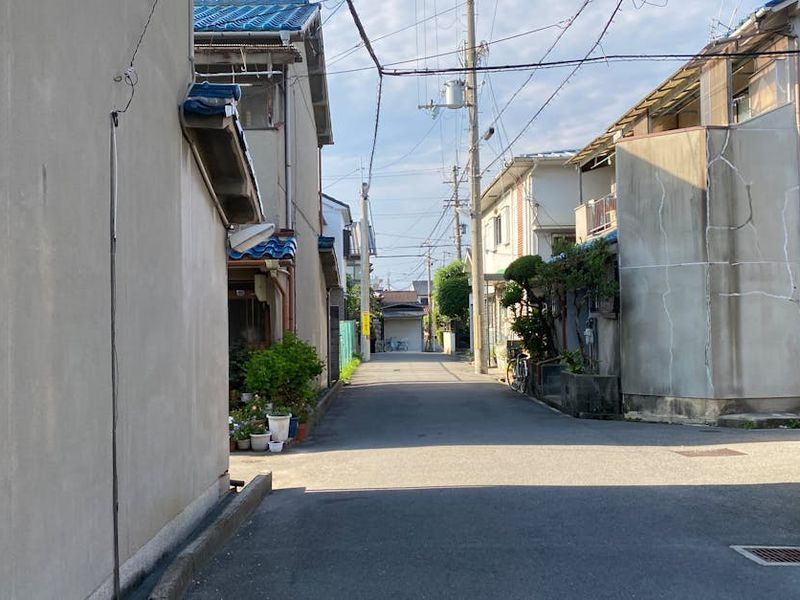
Cuenca’s charming historic center has narrow streets and plazas with vehicle restrictions in some areas. Before your container arrives:
- Contact your building manager to confirm elevator access, stairs, and permitted delivery times. Many neighborhoods limit large truck access during mornings and peak pedestrian hours.
- Consider transferring items from the container to a smaller truck for final delivery if your home is in the Old Town (Centro Histórico). Large container trucks may not fit into narrow lanes.
- Apply for any necessary temporary parking permits or coordinate with your moving company — local movers often handle the municipal logistics and know which streets allow large trucks.
Cuenca movers can also offer unpacking and furniture assembly services — a good choice if you’ll be busy settling residency paperwork.
Alternatives to shipping everything
Shipping a full container makes sense for people bringing a lifetime of belongings, antiques, or bulky furniture. But compare the cost and effort with alternatives:
- Buy used or new locally — Cuenca has a vibrant market for used furniture and many skilled carpenters who will build custom pieces at reasonable rates.
- Ship only essentials and buy the rest after you arrive. This reduces customs complexity and potential duties.
- Use international courier services for valuable small items and valuables, then ship the rest as LCL.
- Sell high-value, difficult-to-ship items (like certain vehicles or large appliances) before the move.
Working with movers and brokers — what to ask
Choose a moving company and customs broker with experience sending household effects to Ecuador and handling delivery into Cuenca. Ask prospective providers:
- Do you provide door-to-door service, including customs clearance, inland trucking to Cuenca, and final delivery?
- Can you provide references for moves to Cuenca specifically?
- Which services are included in your quote (port charges, THC, handling, inland trucking, customs broker fees, duties if any)?
- What is your estimated transit time and what contingencies do you offer for delays?
- Are your packing materials ISPM-15 compliant for wooden crates and pallets?
- What insurance coverage options do you recommend and do you assist with claims?
Practical checklist before you ship
Use this checklist to avoid common mistakes:
- Inventory everything and create a Spanish-language packing list.
- Obtain at least three quotes for FCL and LCL options and compare total door-to-door costs.
- Hire a licensed customs broker for Ecuador and ask them for a document checklist.
- Confirm appliances’ voltage compatibility and service availability in Cuenca.
- Secure marine cargo insurance — get written terms and coverage limits.
- Prepare original documents (passport, visa/residence, bills of lading) and keep scanned copies stored securely online.
- Coordinate delivery times and parking permissions with your building manager or landlord in Cuenca.
- Label boxes clearly and number them to match the inventory.
Common pitfalls and how to avoid them
A few mistakes commonly cause delays and extra cost:
- Incomplete documentation: Missing invoices or an inaccurate inventory can trigger inspections and fees. Translate inventories into Spanish to speed processing.
- Underinsuring: Claims against damage or loss can become a headache without proper insurance backed by a reputable carrier or insurer.
- Ignoring local logistics: Expect narrow streets, parking restrictions, and busy markets in Cuenca — don’t assume a big truck can park next to your building in the Old Town.
- Assuming customs exemptions: If you think your items will be duty-free, confirm the rules with a broker. Residency status and length of time abroad often affect exemptions.
Settling in Cuenca once your container arrives
When your belongings reach Cuenca, prioritize unpacking essentials first and locating documents needed for residence or registration. If items are delayed, many expats find temporary solutions such as short-term rentals furnished by local agencies. Explore local expat groups and community forums — they are excellent sources for trusted movers, carpenters, and secondhand furniture sellers.
Final thoughts
Shipping a container to Cuenca can be a straightforward process with the right preparation: pick an appropriate container option, build a detailed Spanish-language inventory, secure marine insurance, hire an experienced customs broker, and plan for last-mile logistics in the city. Allow extra time, maintain clear communication with your carrier and broker, and pack with Cuenca’s climate and street layout in mind. With these steps you’ll minimize surprises and enjoy your new life in one of Ecuador’s most beloved cities.
Adam Elliot Altholtz serves as the Administrator & Patient Coordinator of the "Smilehealth Ecuador Dental Clinic", along with his fellow Expats' beloved 'Dr. No Pain', right here in Cuenca, Ecuador, and for purposes of discussing all your Dental needs and questions, is available virtually 24/7 on all 365 days of the year, including holidays. Adam proudly responds to ALL Expat patients from at least 7:00am to 9:00pm Ecuador time, again every single day of the year (and once more even on holidays), when you write to him by email at info@smilehealthecuador.com and also by inquiry submitted on the Dental Clinic's fully detailed website of www.smilehealthecuador.com for you to visit any time, by day or night. Plus, you can reach Adam directly by WhatsApp at +593 98 392 9606 or by his US phone number of 1‑(941)‑227‑0114, and the Dental Clinic's Ecuador phone number for local Expats residing in Cuenca is 07‑410‑8745. ALWAYS, you will receive your full Dental Service in English (NEVER in Spanish), per you as an Expat either living in or desiring to visit Cuenca by your Dental Vacation, plus also to enjoy all of Ecuador's wonders that are just waiting for you to come arouse and delight your senses.