
Table of Contents
Why understanding Cuenca’s transport scene matters
Cuenca’s compact, historic center and steep, layered neighborhoods make getting around both charming and a little confusing the first few times. Whether you’re a new expat, a long-term visitor, or a day-tripper, learning how the city’s public transportation works will save time, money and frustration—and it will help you experience the city like a local.
Overview: Your main transport options
In Cuenca you’ll rely on a mix of tram, buses, taxis and walking. There are also interprovincial coach services at the city’s bus terminal, bicycle lanes in key corridors, and ride-hailing apps that operate intermittently. Each option has its own strengths depending on budget, comfort level, and where you’re going.
The Tranvía de Cuenca (light rail)
Cuenca’s light rail—often called the tranvía—connects major north-south corridors and is the fastest way to cross the spine of the city. It’s modern, punctual and pleasant, with level platforms and frequent service during peak hours.
How to use it
- Buy or top up a reusable fare card at station kiosks or authorized vendors before boarding—cash payments on board are typically not accepted.
- Look for official station maps and route diagrams (posted at stops and online) to find the best transfer points for neighborhoods like El Centro, Parque Calderón or Miraflores.
- Stations are generally accessible; ramps and lifts are available but check signage if you need assistance.
Practical tips for tram travel
Avoid peak commuter windows if you prefer a quieter ride. Bring a light jacket—Cuenca’s mountain climate can be cool on the platforms. Keep your fare card topped up if you plan multiple short trips during the day.
City buses and cooperatives
Buses remain the backbone of local travel. The network includes municipal routes and cooperative minibuses (often called camionetas) that fan out into neighborhoods not served by the tram. Routes cover residential areas, markets, universities and commercial zones.
Understanding the system
- Look for clearly marked route numbers on the front or side of vehicles; drivers will usually announce or signal popular stops.
- Most buses accept cash, but many routes also accept a municipal transit card—ask at bus stops or kiosks where the card is sold.
- Smaller cooperative vehicles may stop more frequently and are useful for short hops across hills and narrow streets.
Boarding etiquette and safety
Pay attention as you board: enter at the front, feed your card or hand payment to the driver, and take a seat or hold the rail. Keep belongings close—pickpocketing can happen on crowded lines—and yield priority seats to seniors, pregnant people and those with disabilities.
Taxis and ride-hailing
Taxis are an affordable and convenient option, especially late at night or when traveling with luggage. They’re plentiful around the historic center and at transit hubs.
Street taxis vs. apps
- Flag a taxi on the street or find one at designated taxi stands near major plazas and shopping areas.
- Ride-hailing apps (such as Uber or regional services) may operate in Cuenca—availability varies—so apps are useful if you prefer cashless payments and driver tracking.
Negotiating fares and safety
Confirm the fare or ask the driver to use the meter when you get in. If you’re unsure about routes, use Google Maps to point out the destination. For longer trips (airport transfers, intercity rides) negotiate or book in advance through a reputable company, especially during busy holiday periods.
Getting to and from Mariscal Lamar Airport
Cuenca’s airport sits a short drive outside the city. Public transport to the airport is limited, so most travelers use taxis, shared shuttles, or pre-booked transfers. A taxi from the airport to the historic center takes roughly 20–30 minutes depending on traffic and weather.
Tips for airport transfers
- Pre-book a shuttle if you have heavy luggage or are arriving late at night.
- Keep local currency handy for taxis—some drivers accept cards but cash is more common.
- Ask your taxi driver which route they prefer; some roads avoid steep, narrow climbs that can be tricky with luggage.
Interprovincial buses: travel beyond Cuenca
For longer journeys to Quito, Guayaquil, Loja and other cities, use the Terminal Terrestre (bus station). Multiple companies operate frequent services and offer a range of comfort levels from basic to executive coaches.
Buying tickets and traveling smart
- Buy tickets at company counters at the terminal or through official websites. On holidays, purchase in advance as buses sell out.
- For overnight trips, choose a trusted company with good reviews—look for amenities like reclining seats, rest stops and onboard restrooms.
Walking and cycling in Cuenca
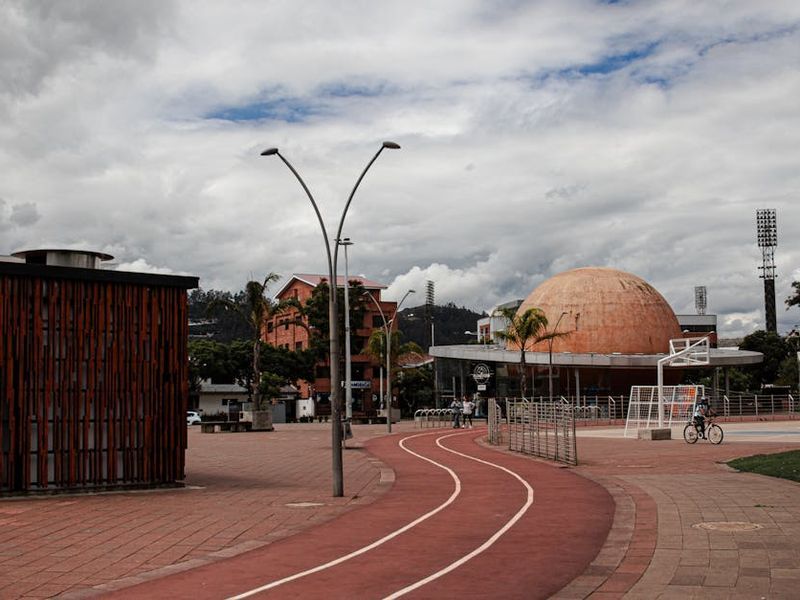
One of Cuenca’s charms is its walkable historic center with plazas, churches and narrow alleys. Walking is often faster than any motorized option for short distances in El Centro. For longer local trips, public bike lanes and rental shops make cycling a practical and healthy choice.
Best practices for pedestrians and cyclists
- Wear sturdy shoes: cobblestones and uneven sidewalks are common.
- Plan routes that avoid steep climbs when possible; bridges over the Tomebamba River provide pleasant, flat walking corridors.
- Rent bikes from established shops in the city center and use marked cycle lanes; wear a helmet and lights for early morning or evening rides.
Apps and resources to plan your trips
Digital tools can make navigating Cuenca far easier. Google Maps is reliable for public transport directions and walking routes. Moovit and local transit apps can help with live timetables and route planning. Follow municipal transit pages on social media for service alerts and changes.
Offline tips
Download maps for offline use if you expect limited data, and save key addresses (your accommodation, major landmarks, hospital) in both Spanish and your language for easier communication with drivers or local helpers.
Accessibility and special needs
The tram and many newer buses are designed to be accessible, but older vehicles and some sidewalks can be challenging. If you or someone you travel with needs mobility assistance, call transit operators ahead when possible and allow extra time for transfers.
Best practices for newcomers and expats
Start with short, familiar routes: the tram from one end of the historic center to the other, or a bus line to your local market. Observe local patterns—rush hour traffic, market days, and holiday schedules. Learn a few Spanish phrases to ask directions or clarify stops; simple phrases go a long way.
Money and timing
- Carry small bills and coins for buses and taxis when cards aren’t an option.
- Allow extra time during morning rush (roughly 7–9am) and evening commute (about 4–7pm).
- Investigate monthly transit passes if you’ll be commuting daily—these can save money and time.
Common pitfalls and how to avoid them
A few predictable things can trip up newcomers: assuming all buses run on a strict schedule, walking the steepest route without checking altitude changes, or relying on a single taxi app. To avoid hassles, verify schedules before late-night travel, keep a secondary transport option (like a taxi number) handy, and ask locals for preferred shortcuts or safer routes.
Sample itineraries for different travelers
New to the city and want to explore in a day? Take the tram across the central spine to get a quick orientation, then switch to a short bus to visit a neighborhood market and return on foot through the historic center. If you’re commuting to university, combine a tram ride with a cooperative minibus for the last mile, and buy a reloadable card for convenience.
Final words: blend efficiency with curiosity
Public transportation in Cuenca is practical and evolving. The tram offers speed and comfort across the core, buses reach the nooks and neighborhoods, and taxis fill in the gaps—while walking and cycling reveal the city’s charming details. With a little planning, a flexible mindset, and local knowledge, you’ll find getting around Cuenca is part of the adventure, not just the logistics.
Keep this guide handy as you explore, and remember: the best way to learn a city is to travel it slowly at first, then let comfortable routines take over as you settle in.
Adam Elliot Altholtz serves as the Administrator & Patient Coordinator of the “Smilehealth Ecuador Dental Clinic“, along with his fellow Expats’ beloved ‘Dr. No Pain‘, right here in Cuenca, Ecuador, and for purposes of discussing all your Dental needs and questions, is available virtually 24/7 on all 365 days of the year, including holidays. Adam proudly responds to ALL Expat patients from at least 7:00am to 9:00pm Ecuador time, again every single day of the year (and once more even on holidays), when you write to him by email at info@smilehealthecuador.com and also by inquiry submitted on the Dental Clinic’s fully detailed website of www.smilehealthecuador.com for you to visit any time, by day or night. Plus, you can reach Adam directly by WhatsApp at +593 98 392 9606 -or by his US phone number of 1‐(941)‐227‐0114, and the Dental Clinic’s Ecuador phone number for local Expats residing in Cuenca is 07‐410‐8745. ALWAYS, you will receive your full Dental Service in English (NEVER in Spanish), per you as an Expat either living in or desiring to visit Cuenca by your Dental Vacation, plus also to enjoy all of Ecuador’s wonders that are just waiting for you to come arouse and delight your senses.