
Table of Contents
Why Cuenca is a Smart Choice for American Retirees
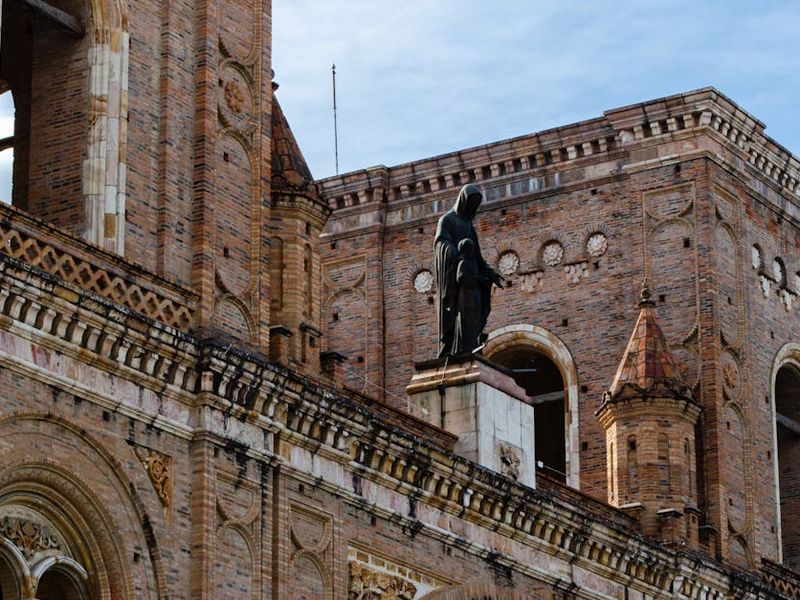
Cuenca, Ecuador has become one of the top retirement picks for Americans who want a comfortable life on Social Security. With a mild highland climate, walkable historic center, lower costs than most U.S. cities, and a friendly expat community, Cuenca offers an attractive mix of affordability and quality of life. The country uses the U.S. dollar, which simplifies budgeting, and the city’s preserved colonial architecture and cultural calendar give retirees plenty to do without high living costs.
How Social Security Works When You Move Abroad
First things first: your Social Security benefits can follow you to Cuenca. The Social Security Administration (SSA) permits most beneficiaries to receive payments outside the U.S. You can arrange direct deposit to a U.S. bank and use ATMs in Ecuador, or set up international deposit options if available. Before you move, contact the SSA to update your address, confirm international deposit options, and enroll in online access to monitor payments.
Taxes and Filing Requirements
Living abroad does not automatically change your U.S. tax obligations. Social Security benefits may be taxable by the U.S. depending on your combined income (for example, historically thresholds are $25,000 for single filers and $32,000 for married filing jointly). Many Americans living in Cuenca still file U.S. tax returns. Ecuador’s tax rules can apply to residents as well—consult a cross-border tax advisor to understand both U.S. and Ecuadorian reporting and to plan for minimizing double taxation.
Residency Routes: Pensionado and Other Visas
Most retirees choose Ecuador’s pensioner (pensionado) visa, specifically tailored for people with a lifetime pension or Social Security. The general pathway requires documentation proving a consistent monthly pension, apostilled civil documents, and a clean criminal record. Requirements and minimum pension amounts can change, so verify current thresholds at an Ecuadorian consulate or with a local immigration attorney in Cuenca.
Practical Steps to Apply
- Gather originals and apostilles of birth certificates, marriage certificates (if applying with a spouse), and Social Security award letters.
- Obtain a police/criminal record check from your country of residence and apostille it if required.
- Translate documents into Spanish using a certified translator when requested by Ecuadorian authorities.
- Consider hiring a local migration specialist in Cuenca for document filing, appointments, and representation.
How Much Money Do You Need? Real Cost-of-Living Examples
Cuenca’s monthly living costs vary by lifestyle. Many retirees living modestly report comfortable living on $1,500–$2,500 per month for a couple, while more luxurious lifestyles or frequent travel increase that figure. Here are ballpark monthly estimates to help you plan:
- Basic one-person budget (frugal): $900–$1,300 — shared housing, local food, minimal eating out.
- Comfortable one- or two-person budget: $1,500–$2,200 — a nice one-bedroom or modest two-bedroom, some dining out, utilities, private health insurance.
- More upscale lifestyle: $2,500+ — newer condo or house in a prime neighborhood, regular travel, international health insurance.
Housing pricing: Central one-bedroom rentals often range from $400–$800 depending on condition and amenities; outside the historic center you can find good two-bedroom apartments for $300–$600. Local markets and bodegas provide very affordable fresh produce; eating in local restaurants is inexpensive while international-style restaurants cost more.
Healthcare: Access, Costs, and Insurance
Healthcare in Cuenca is one of the city’s major draws. There are modern private clinics with English-speaking doctors and a national public health system available to local residents. If you secure residency, you can sign up for public health programs; many retirees also buy private or international medical insurance to cover services not included or to maintain access to private hospitals.
Medicare and International Coverage
Important note: U.S. Medicare generally does not cover routine healthcare outside the U.S. Retirees living in Cuenca should not assume Medicare will pay for local medical expenses. Instead, evaluate private Ecuadorian plans, international expat medical insurance, or pay-as-you-go private care. For major medical procedures, private hospitals in Cuenca provide quality care at a fraction of U.S. prices.
Housing: Rent vs. Buy and Neighborhoods to Consider
Foreigners can buy property in Ecuador without significant restrictions. Many retirees rent first for 6–12 months to test neighborhoods. The historic center (around Parque Calderón and the cathedral) is atmospheric and walkable but can be noisier and pricier. Neighborhoods along the Tomebamba River or slightly uphill offer calmer residential living with easy access to the city center. Other popular zones include areas with newer construction, gated communities, and neighborhoods with expat amenities.
Buying Property: What to Watch For
- Use a trusted local real estate agent and attorney for title searches and due diligence.
- Ensure all property taxes are current and verify utility connections.
- Understand closing costs, notary fees, and the process for registering property in your name.
Banking, Money Transfers and Day-to-Day Finances
Because Ecuador uses the U.S. dollar, budgeting is straightforward. Many expats keep a U.S. bank account and access funds via international ATMs. If you establish residency, opening a local bank account in Cuenca is helpful for paying utilities, rent, and local services. Banks typically require identification, proof of residency (cedula) or passport, and a local address. Expect some documentation and occasional bureaucratic steps—patience is key.
How to Receive Social Security Payments
- Set up direct deposit to a U.S. bank that offers international ATM access or supports debit card withdrawals in Ecuador.
- Ask the SSA about direct deposit options to foreign banks—policies vary by country and bank.
- Keep an emergency cushion in case of temporary banking or transfer delays.
Language, Culture and Community Life
Spanish is the everyday language in Cuenca. Taking Spanish classes is the fastest way to build local friendships and handle daily tasks like banking or medical appointments. The city has a lively expat scene with clubs, English-language meetups, and volunteer opportunities. Cultural highlights include weekly markets, classical music presentations, art galleries, and festivals tied to Ecuadorian traditions. Participating in community events accelerates integration and makes the city feel like home.
Practical Arrival Tips and What to Pack
Before you leave the U.S., prepare these essential items:
- Original documents and several certified copies (birth, marriage, Social Security award letter), plus apostilles if required for visa processing.
- Enough prescription medication for the trip plus copies of prescriptions; research local availability of your medications.
- International driving permit if you plan to drive; familiarize yourself with Ecuadorian licensing rules if you intend to convert a license.
- Verify pet entry requirements well in advance—vaccination records, health certificates, microchips, and airline rules vary.
Safety, Healthcare, and Emergency Services
Cuenca is generally considered safe compared to many larger cities. Petty theft exists—use common-sense precautions: keep valuables secured, be cautious at ATMs, and avoid poorly lit areas at night. Emergency services, pharmacies, and hospitals are accessible in the city. Keep emergency contacts on hand: local hospital numbers, your country’s consulate (or nearest consular service), and your primary care physician’s contact information from home for record transfers.
Common Mistakes to Avoid
- Underestimating paperwork time—visa and residency applications can take weeks or months; start early.
- Assuming Medicare will cover foreign healthcare—plan for international or local insurance instead.
- Not planning for tax filing—consult both a U.S. CPA experienced with expats and a local Ecuadorian tax advisor.
- Skipping a trial rental period—rent first to test neighborhoods and adjust to altitude and climate.
Final Checklist: Getting Settled in Cuenca
Use this short checklist to organize your move:
- Contact SSA and set up international payment methods; enroll in My Social Security.
- Gather and apostille core documents and translated copies.
- Apply for the pensionado (or other appropriate) visa and set realistic timelines.
- Arrange health coverage and transfer medical records to local providers.
- Plan a 3–6 month trial: rent, learn Spanish basics, and meet other expats before buying property.
- Consult cross-border tax experts to plan U.S. and Ecuadorian tax filings.
Living Well and Enjoying Cuenca
Retiring in Cuenca on Social Security is a realistic and attractive option for many Americans. The blend of comfortable living costs, welcoming culture, good healthcare options, and a meaningful expat community helps retirees build a rich daily life without exhausting retirement savings. With careful planning—especially around residency paperwork, health coverage, and finances—you can transition smoothly and enjoy the slower pace, pleasant weather, and cultural riches Cuenca has to offer.
Remember: rules and costs can change. Verify visa and health requirements with official sources, connect with local experts in Cuenca, and consider a scouting trip to see if the city fits your needs before committing to a full move.