
Table of Contents
Why neighborhood choice matters in Cuenca
Cuenca rewards newcomers with a pleasant climate, rich culture and a slower pace of life — but where you live shapes how you experience the city. Neighborhoods here vary dramatically: cobbled streets and colonial plazas in the Historic Center, quiet residential enclaves on the hillsides, riverside promenades full of walkers and cafes, and modern suburbs with wider roads and supermarkets. Choosing the right barrio affects your daily routines: access to medical care, grocery shopping, noise levels, views, and how much Spanish you need to get by.
How I judged the neighborhoods (what to consider)
When recommending areas for expats I consider several practical factors: safety, walkability, proximity to health care, availability of modern conveniences (supermarkets, banks, pharmacies), noise and cobblestone conditions, public transport access, rental and purchase costs, and the local social scene. Different expats want different things — some want to be in the middle of the action near Parque Calderón; others prefer a quiet house with a garden and off-street parking. This guide groups neighborhoods by the lifestyle they support.
Historic Center (El Centro / Parque Calderón): For culture and convenience
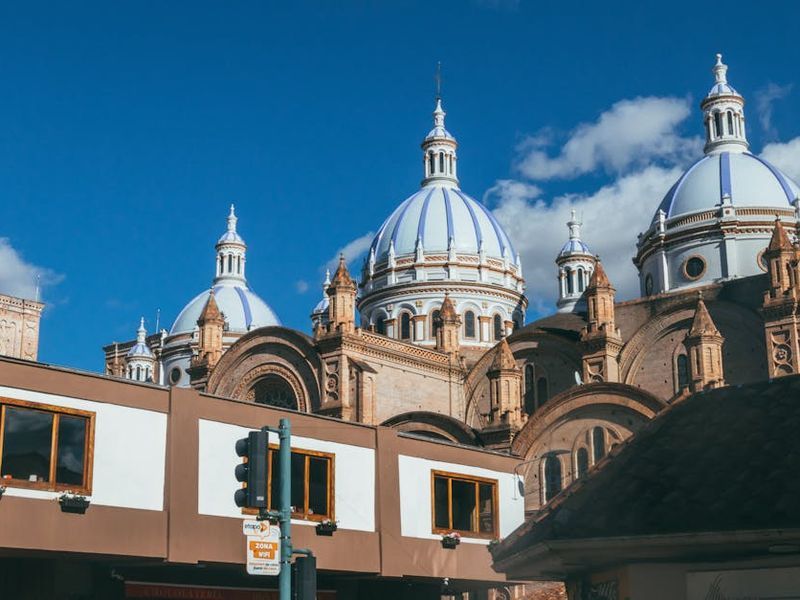
The Historic Center — the heart of Cuenca centered on Parque Calderón — is the most iconic place to live. The area features colonial architecture, daily life spilling into narrow streets, artisan shops, bakeries and a lively café culture. If you love walking to museums, markets and restaurants, this is hard to beat.
Practical notes: apartments here range from compact studio units to renovated colonial flats with high ceilings. Expect cobblestones and some noise on weekend evenings. Parking is limited and many apartments do not include a garage. Monthly rents for an updated one-bedroom can vary widely depending on finish and location, but a reasonable range is $350–$700; nicer or larger units climb above that.
Recommended for: expats who want to be central, enjoy historic charm, and prefer walking to errands. Not ideal if you need private parking or prefer quiet nights.
San Sebastián: Artsy, steep streets and traditional flavor
South of the river and slightly downhill from the main plaza, San Sebastián is known for artisan shops, small plazas and a more traditional, lived-in feel. Streets are narrow and often steep, lined with small tiendas and family-run cafes. The barrio attracts artists and residents who appreciate an authentic, neighborhood vibe.
Practical notes: housing tends to be older but affordable, with many options for long-term rentals. Because of the steep cobbled streets, it’s less convenient for people with mobility issues. However, it’s just a short walk to the center and some parts offer surprisingly peaceful pockets away from tourist traffic.
Recommended for: people looking for character, proximity to artisan markets, and affordable living close to the center.
Tomebamba Riverfront and Larga Street corridor: River walks and modern comforts
The Tomebamba River cuts a scenic path through Cuenca. Areas along the river and nearby Avenida Larga (Calle Larga) combine attractive riverside promenades with easy access to shops, bakeries and small parks. This stretch offers a pleasant mix of quiet terraces and active commercial strips.
Practical notes: apartments and condos here can be newer and some buildings offer elevators, parking and reliable internet. Walkability is excellent along the river, which is lined with gardens and benches — a favorite for morning walkers and families.
Recommended for: expats who want scenic walks, modern apartments and quick access to services without being in the busiest part of the historic core.
Miraflores and Bellavista (north slopes): Suburban calm and views
Move a bit uphill from the center and you’ll find neighborhoods like Miraflores and Bellavista. These areas offer larger lots, quiet streets, and better options for houses with gardens. Many expats choose these neighborhoods for more private living while remaining only a 10–20 minute drive from the center.
Practical notes: expect wider streets and easier parking. There are fewer tourist crowds and more long-term residents. Public transport is available but less frequent than in the center, so owning a car is often more convenient. Rental prices for small houses can start around $500–$900 depending on size and amenities; larger homes with gardens will be higher.
Recommended for: families, pet owners, and anyone who prefers space and quiet over being steps from cafes and museums.
Ordoñez Lasso and the “newer” avenues: Convenience and services
Ordoñez Lasso is a major corridor with lots of services — supermarkets, banks, medical clinics, and restaurants. If you want a balance of convenience and modern comfort, look around this corridor and nearby neighborhoods. Many mid-rise apartment buildings here include amenities like parking, elevators, and reliable utilities.
Practical notes: because of the commercial activity, it’s easy to run errands on foot. Noise levels can vary depending on how close you are to the main avenue. This zone is well-served by public transport and taxi access is straightforward.
Recommended for: expats who prioritize convenience and modern infrastructure.
El Batán and other residential zones: Affordability and community
Neighborhoods like El Batán (and similar residential barrios further from the center) are good choices for expats who want a lower cost of living with a local community feel. These areas are typically quieter at night and offer more space for the price.
Practical notes: public transport will take you into the center and many areas have local markets and shops within walking distance. Rents for larger apartments or modest houses are generally more affordable than in the center. However, some neighborhoods farther out may lack the immediate access to international medical facilities, so factor that in if you have health concerns.
Recommended for: budget-conscious expats or those who plan to drive and don’t need daily downtown access.
What to expect on utilities, internet and services
Common utilities (electricity, water, gas) are generally reliable in central and well-established neighborhoods. Expect occasional interruptions during maintenance or heavy storms — nothing unique to Cuenca, but worth noting. Many apartments use bottled gas (balón de gas) for cooking; check who pays and how often when you sign a lease.
Internet service is widely available and speeds have improved in recent years. If you work remotely, ask for current speed tests from the landlord or consider living near major avenues where fiber service is more common. Cable TV and reliable cell phone coverage are also easy to find.
Practical renting tips specific to Cuenca
- Negotiate in Spanish: Property managers and owners often appreciate basic Spanish. Bring a Spanish-speaking friend if you’re not confident.
- Ask about included costs: Some landlords include utilities or building fees; others don’t. Clarify what the rent covers and get it in writing.
- Check water pressure and hot water: Especially in older buildings, water pressure and hot water availability can vary.
- Confirm parking: If you have a car, verify whether parking is included, on-site, or street-only.
- Inspect for mold and insulation: Cuenca’s high altitude and mountain climate can cause humidity in some units; check for proper ventilation.
Safety and community — what expats report
Cuenca is often rated as one of Ecuador’s safer cities, especially compared to larger cities. Neighborhoods near the center tend to be well-patrolled and lively, which helps deter petty crime. Still, don’t leave valuables in plain sight in cars or unlocked on balconies. Use the same common-sense precautions you would in any city: lock doors, use safes if offered, and avoid poorly lit streets at night.
Many expats find strong community in social groups, language exchanges and volunteer opportunities. If you want to make friends quickly, look for neighborhood community boards, Facebook groups, or expat meetups which often take place in central cafes or cultural centers.
Healthcare and access from different neighborhoods
Cuenca has several good medical facilities. Major hospitals and clinics — including public hospitals and private clinics — are concentrated in and around the central city, making central and nearby neighborhoods very attractive for anyone who wants quick access to care. If you choose a neighborhood farther out, factor in travel time for appointments and emergency care.
Tip: ask neighbors or expat forums for recommended English-speaking doctors and dentists; many expats use private clinics for faster service and a more familiar appointment style.
Transport and getting around
Cuenca’s public transit system of buses is extensive and inexpensive. Taxis are plentiful and cheap by North American standards; official taxis can be hailed on the street or via phone apps that operate in the city. Many expats opt for a car if they live in the suburbs or want to explore the region on weekends. If you plan to drive, know that narrow, cobbled streets are common in older barrios.
Tips for choosing your neighborhood: a quick checklist
- Walkability: Are daily errands doable on foot?
- Noise tolerance: Do you prefer nightlife nearby or quiet evenings?
- Parking and vehicle needs: Is secure parking essential?
- Access to healthcare: How close are clinics and hospitals?
- Housing style: Colonial flat, modern apartment, or house with a garden?
- Budget: Are you prioritizing affordability or location?
- Community: Do you want a neighborhood with many expats or mostly local residents?
Final thoughts — a realistic approach to moving
Living in Cuenca is often more affordable and relaxed than life in larger cities, but the right neighborhood depends on your priorities. The Historic Center puts you at the cultural core and in walking distance of major attractions. San Sebastián offers authenticity and craft culture. Riverside areas and the Larga corridor give a balanced mix of beauty and convenience. Northern slopes and newer suburbs provide more space for families and those seeking quiet and views.
My best practical advice: spend a week or two living in a short-term rental in two different neighborhoods before committing to a long lease. That way you’ll test commute times, street noise, and the grocery routine. Talk to neighbors, visit local clinics, and sit in cafes at different times of day — these small checks save a lot of hassle and help you find the neighborhood that fits your life in Cuenca.
Quick resource list
- Major supermarket chains to look for: Supermaxi, Tía, and local markets for fresh produce.
- Transport hub: local bus lines and taxis are plentiful — consider a car if you prefer suburban living.
- Medical care: private clinics and public hospitals are concentrated near the center — check expat forums for recommended English-speaking providers.
- Short-term rentals: use them to sample neighborhoods before signing a long lease.
Choosing where to live is one of the most personal parts of moving abroad. In Cuenca, you’ll find neighborhoods for every taste — historic charm, riverside serenity, suburban tranquility, and practical modern living. Decide what matters most to you, test a couple of areas, and you’ll be well on your way to making Cuenca feel like home.