
Table of Contents
Why regular dental visits are more than just a bright smile
Routine dental check-ups do more than polish teeth and freshen breath. They are a key part of maintaining overall health — catching cavities before they hurt, spotting gum disease early, and identifying warning signs that could point to systemic problems like diabetes or heart disease. For expats in Cuenca, regular dental care also means avoiding costly emergency trips, navigating Ecuador’s health system more confidently, and getting reliable treatment from local providers.
The health benefits of a check-up
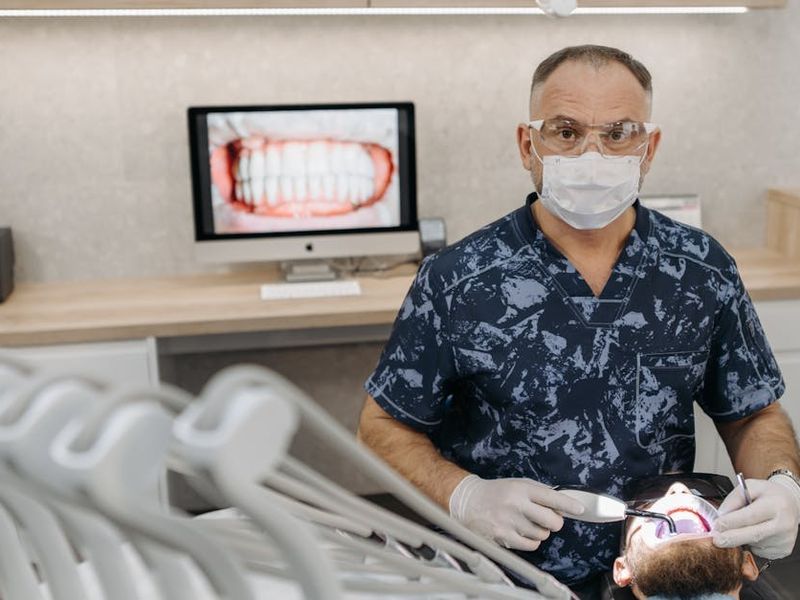
During a typical visit a dentist will examine your teeth, gums, soft tissues, bite, and often take X-rays. This allows for:
- Early detection of decay, gum disease, and oral cancer
- Professional cleaning to remove tartar that brushing misses
- Monitoring of restorations like fillings and crowns
- Advice on prevention tailored to your diet, medical history, and lifestyle
How often should you see a dentist in Cuenca?
The common rule of thumb is every six months, but that guideline changes based on individual risk factors. If you have a history of cavities, active gum disease, dry mouth, diabetes, or smoke, your dentist will likely recommend check-ups every three to four months. Conversely, a person with excellent oral health may only need annual visits.
Schedules for different situations
- General preventive care: every 6 months
- History of gum disease or high decay risk: every 3–4 months
- Orthodontics or ongoing treatment: follow your provider’s schedule
- Children: more frequent monitoring during tooth development
- Pregnant women: one dental visit during pregnancy is essential, with additional visits based on need
What to expect at your first or routine dental visit in Cuenca
Your first visit to a new dentist in Cuenca typically lasts 45–60 minutes. Expect an intake form (medical history and medications), a comprehensive oral exam, and a professional cleaning if needed. Many clinics offer digital X-rays — ask if they are available and whether they’re included in the initial fee.
Dentists in Cuenca often speak Spanish; many also speak English, especially those who treat expats. If you prefer, bring a bilingual friend or ask the clinic in advance whether an English-speaking receptionist or dentist is available.
Typical steps in a check-up
- Review of your health history and concerns
- Clinical exam of teeth, gums, and soft tissues
- Cleaning (scaling and polishing) and oral hygiene tips
- X-rays if necessary
- Treatment plan and cost estimate for any follow-up work
Costs and payment: what expats can expect in Cuenca
Copper-friendly pricing is one reason many expats appreciate dental care in Ecuador. Exact fees vary by clinic, materials, and whether the dentist is a specialist — but here are rough ranges to help you plan (all figures are approximations and can change):
- Cleaning and exam: $15–$50
- Filling (composite): $30–$120
- Root canal (per canal): $150–$400
- Crown (porcelain-fused-to-metal or ceramic): $250–$700
- Dental implant (complete procedure): $800–$2,000+
Many clinics accept cash, tarjetas (debit/credit), and sometimes payment plans. If you have private health insurance or belong to IESS (Ecuador’s social security system) as a resident, check which procedures are covered and whether you need prior authorization.
University dental clinics (for example at local universities with dental schools) often provide lower-cost care performed or supervised by faculty — a good option for routine treatment if cost is a priority. Ask about supervision and turnaround time when considering university clinics.
How to find the right dentist in Cuenca
Finding a trustworthy dentist is about more than price. Use multiple sources to evaluate a clinic: online reviews, expat forums and Facebook groups, local referrals from doctors or friends, and a quick pre-visit phone call to gauge communication.
Practical steps to choose a clinic
- Search Google Maps for dentists near your neighborhood (Centro Histórico, El Vergel, Parque Industrial, or your local sector) and read reviews
- Ask in local expat Facebook groups — many members share recent, specific recommendations
- Call and ask about language ability, sterilization protocols, digital X-rays, and costs for basic services
- Look for dentists registered with local professional associations and ask about continuing education
- Visit the clinic beforehand if possible — cleanliness, equipment, and how staff interact with patients are telling
Questions to ask at your first appointment
- What are your credentials and professional affiliations?
- Do you use digital X-rays and what safety protocols do you follow?
- What sterilization methods does the clinic use?
- Can you provide an estimate in writing for any recommended treatment?
- Are implants/crowns/labs handled in-house or outsourced?
- Do you have patients who speak English or a staff translator available?
Everyday prevention: habits that reduce dental visits
Between check-ups, solid daily habits make the biggest difference:
- Brush twice daily with fluoride toothpaste and a soft-bristled brush
- Floss once a day to remove interdental plaque
- Limit sugary snacks and acidic drinks; rinse with water after consuming them
- Stay hydrated — Cuenca sits at around 2,500 meters of elevation and the air can be drier; adequate saliva flow helps protect teeth
- Use an antimicrobial mouthwash if recommended by your dentist
Local grocery stores and pharmacies in Cuenca carry a wide range of dental products (toothpaste, floss, interdental brushes, and mouthwashes). If you prefer specific brands, larger supermarkets like Supermaxi and specialty pharmacies have better selections.
Special considerations for expats in Cuenca
As an expat you might have additional priorities: language, transferring dental records from your home country, planning long procedures around travel, and understanding local insurance options.
- Bring copies of previous X-rays and treatment records to your first visit — this helps the dentist avoid unnecessary repeat imaging and accelerates treatment planning.
- If you plan major work (implants, multiple crowns), discuss timelines, warranties, and what happens if you need follow-up after returning home.
- Ask whether the clinic provides written cost estimates and if materials (e.g., imported ceramic) will be used — material choice can affect final cost.
- Consider joining local expat groups where people often post recent dental experiences, pricing, and before/after photos.
Managing dental emergencies in Cuenca
Toothaches, knocked-out teeth, or sudden swelling can happen. Know the basics so you react quickly and reduce risk of complications:
- Severe pain or swelling: call your dentist or an emergency dental service immediately. Note that infections can progress rapidly and may need antibiotics and drainage.
- Knocked-out tooth: keep it moist (milk or saliva) and see a dentist as soon as possible — re-implantation is more likely within an hour.
- Lost filling or crown: keep the area clean, avoid chewing on that side, and see your dentist for replacement.
- Local pharmacies can supply temporary dental cement and pain relief, but these are short-term fixes.
Common dental treatments expats seek in Cuenca
Many expats choose Cuenca for routine care and cosmetic or restorative work because of the combination of lower cost and competent local labs. Popular procedures include professional cleanings, crowns, bridges, implants, and cosmetic veneers. When planning multi-stage treatments, coordinate appointments around travel and ask about guarantees and what follow-up care is included.
Final tips to keep your smile healthy and budgeting smart
Prevention is always the best investment. Schedule your first appointment shortly after you arrive in Cuenca so you establish a baseline and a trusted provider. Keep copies of all dental records, ask for written treatment plans and prices, and consider the university clinic route if cost is a major concern. Regular visits and small preventive steps will save you pain and expense later — and help you enjoy Cuenca’s active, social lifestyle without dental worries.
Whether you need a routine cleaning, have a nagging sensitivity, or are planning a larger restorative project, Cuenca has capable dental professionals who understand the needs of residents and the expatriate community. Book that check-up — your smile (and your future wallet) will thank you.