
Table of Contents
Introduction: The small habit that protects your health in Cuenca
Regular dental check-ups do more than keep your smile bright — they prevent pain, reduce long-term costs, and can even flag general health issues early. For people living in Cuenca, whether you’re a long-term expat, retired, or a local family, understanding when and why to see a dentist will help you make better choices and feel confident about dental care in Ecuador’s historic southern city.
Why dental check-ups are important
Routine visits allow your dentist to catch problems before they become emergencies. Small cavities can be filled quickly and inexpensively; untreated, they can lead to root canals or extractions. Regular cleanings remove plaque and tartar that contribute to gum disease, which is linked to diabetes, heart disease, and pregnancy complications. A thorough dental exam also screens for oral cancer and other abnormalities that are easier to treat when identified early.
Health links you might not expect
Oral health and overall health are tightly connected. For example, people with diabetes have higher risk for periodontal disease, and severe gum infections can affect blood sugar control. Pregnant women who have active gum disease are at slightly higher risk of preterm birth. Your dentist is an important ally in monitoring these connections and coordinating care with your physician when needed.
What actually happens at a routine dental visit in Cuenca
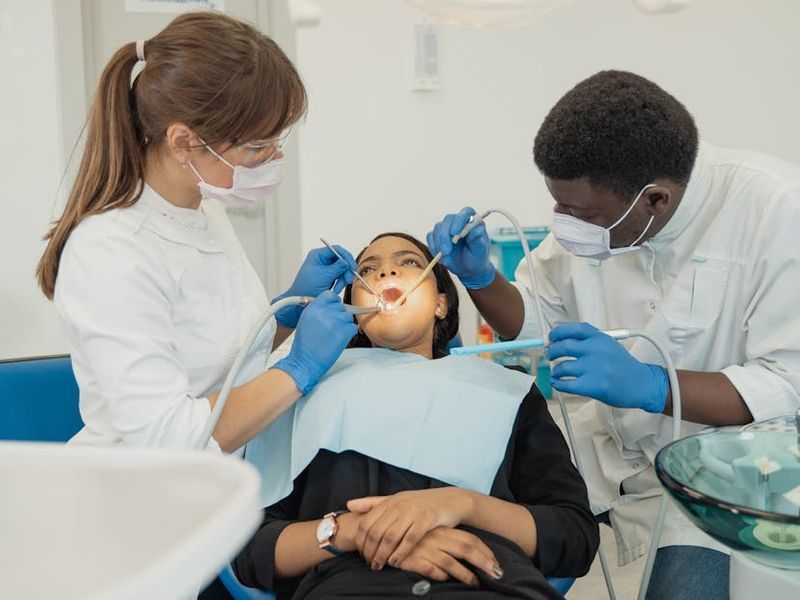
A typical check-up includes four main components: a medical and dental history review, an oral examination, professional cleaning (prophylaxis), and X-rays when indicated. Expect the dentist or dental hygienist to check for cavities, gum pockets, tooth mobility, restorations (fillings, crowns), and soft-tissue lesions. In many modern Cuenca clinics you’ll find digital X-rays, intraoral cameras, and sterilization protocols that meet international standards.
Questions to ask during your appointment
- What is my cavity/gum disease risk and why?
- Are my X-rays up to date? How often will I need them?
- Can you show me areas I’m missing while I brush and floss?
- What are the treatment options, costs, and timelines?
How often should you go: general guidelines and exceptions
Twice-yearly visits (every six months) are the standard recommendation for most healthy adults. However, frequency should be personalized. People with active periodontal disease, heavy smoking history, poorly controlled diabetes, xerostomia (dry mouth from medications), or a tendency to form cavities may need visits every three to four months. Conversely, very low-risk individuals might get by with annual cleanings plus regular at-home care.
Special populations
- Children: begin dental visits by their first birthday or when the first tooth appears. Pediatric dentists are available in Cuenca; preventive care helps avoid future restorative work.
- Pregnant women: dental care is safe and recommended. Routine X-rays are deferred unless necessary; most dentists will schedule needed treatments in the second trimester when possible.
- Seniors: age-related issues — root decay, gum recession, and dry mouth — require more frequent monitoring and tailored fluoride or denture care.
Common dental problems Cuenca residents face
Cavities and gum disease are the most frequent issues, influenced by diet, oral hygiene, and access to care. Cuenca’s pleasant climate supports a culture of fresh fruit and street snacks; while healthy, sugary drinks and sweets are also widely available and can contribute to decay when consumed often. Smoking and poor oral hygiene increase the risk of periodontal disease.
Emergency situations to watch for
Seek prompt care for severe tooth pain, swelling (which can signal an abscess), knocked-out teeth, or broken restorations causing sharp edges. Cuenca has private clinics and emergency dental services; many dentists provide WhatsApp or phone contacts for urgent messages. If swelling affects breathing, go directly to a hospital emergency room.
Choosing a dentist in Cuenca: practical tips for expats
Pick a dentist who communicates clearly about treatment, costs, and follow-up. Many dentists in Cuenca speak English — especially near the Centro Histórico and in areas popular with expats — but learning a few Spanish terms can help. Useful phrases: “odontólogo” (dentist), “limpieza” (cleaning), “empaste” (filling), “extracción” (extraction), and “dolor de muela” (toothache).
What to check before your first visit
- Credentials: ask where they studied and whether they belong to a local professional association; many clinics display certificates.
- Sterilization: look for an autoclave, sealed instrument packs, and visible clean workspace.
- Equipment: digital X-rays and intraoral cameras are common in modern clinics. If you prefer these technologies, make it part of your search.
- Payment and insurance: verify accepted payment methods and ask for a written estimate before work begins.
Costs and dental tourism realities in Cuenca
Dental care in Cuenca is generally more affordable than in North America. Typical price ranges (approximate and variable) are: professional cleaning $25–$60; composite fillings $30–$120; root canal $100–$350 per tooth; crowns $200–$600 depending on material; dental implants $800–$1,500 per implant depending on brand and lab used. These ranges are estimates—always get a written treatment plan.
Planning for larger procedures
Many expats travel to Cuenca for major dental work because of cost savings. If you’re planning implants, crowns, or full-mouth restorations, plan for consultations, staging appointments, and follow-ups. Ask about warranties, the types of dental materials, and whether the clinic offers sedation or collaborates with specialists (periodontist, endodontist, oral surgeon).
Insurance and payment strategies
If you have international health insurance, check whether it covers dental work or offers partial reimbursement. Ecuador’s public system (IESS) covers certain dental services for contributors, but insurance rules vary and residency status affects eligibility. For expats, many choose private dental insurance or pay out-of-pocket and compare prices. Keep all receipts and detailed treatment plans — they’re essential if you seek reimbursement later.
Language and cultural tips for smoother appointments
Cuenca dentists are used to serving foreign patients. Still, bring a short list of symptoms and previous dental history in Spanish, and don’t hesitate to ask the dentist to write down the proposed treatment steps and costs. WhatsApp is a common communication channel; many clinics confirm appointments and send photos and estimates via the app.
Using expat resources
Local expat Facebook groups and community centers are valuable for personal recommendations, honest reviews, and bilingual referrals. Ask about dentists who routinely treat foreigners and whether they offer itemized estimates in English.
Preventive care you can do at home in Cuenca
Daily habits make the biggest difference. Brush twice a day with fluoride toothpaste, floss daily, and consider an interdental brush if you have wide spaces. For additional protection, use a fluoride mouth rinse if your dentist recommends it. Watch sugary street drinks and frequent snacking on sweets — rinse your mouth with water after consuming sugary or acidic foods to reduce enamel erosion.
Diet tips with local flavors
Enjoying local fruits and fresh juices is part of life in Cuenca. To protect your teeth, prefer whole fruits to concentrated juices, drink water after sweet snacks, and avoid sipping sugary beverages over extended periods. Traditional Ecuadorian sweets are delicious but best enjoyed occasionally with good oral hygiene afterward.
Implants, crowns and denture care — what to expect long-term
If you opt for implants or fixed prosthetics in Cuenca, the process typically involves evaluation, surgical placement (implants), healing time (osseointegration) of a few months, and restoration placement (crowns or bridges). Ask about the implant brand, surgical facility, follow-up schedule, and whether the clinic will coordinate with your local physician if you have systemic health concerns.
Maintaining restorations
Crowns and bridges require the same regular check-ups as natural teeth. For dentures, schedule relines or adjustments every year or as needed — poorly fitting dentures can lead to sores and bone loss. Good maintenance prevents failures and prolongs the lifespan of your restorations.
Emergency dental care and what to do first
For sudden severe tooth pain, swelling, or trauma, contact a clinic that offers emergency appointments. Until you reach help, rinse gently with warm salt water, take over-the-counter pain relief (ibuprofen or acetaminophen unless contraindicated), and avoid placing aspirin directly on the tooth or gums. If a tooth is knocked out, keep it moist in milk or saline and see a dentist immediately — re-implantation is sometimes possible within a limited time frame.
Checklist before your next dental visit in Cuenca
- Bring ID and any dental insurance information or prior dental records.
- Make a short medical history update: medications, medical conditions, and allergies.
- List any dental concerns or symptoms and note when they began.
- Ask for an itemized written estimate for recommended treatments.
- Confirm whether the clinic accepts cards, cash, or installments.
Final thoughts: small steps yield big benefits
Regular dental check-ups are a cost-effective way to avoid pain and preserve your quality of life in Cuenca. Whether you’re new to the city or a long-term resident, building a relationship with a trusted dentist pays dividends. Preventive care, clear communication, and smart planning for major procedures will keep your smile healthy and let you enjoy everything this beautiful Andean city has to offer.
Make an appointment, bring your questions, and remember: a few visits a year can prevent months of discomfort and unexpected expense. Your teeth are worth it.