
Table of Contents
Why regular dental check-ups matter — more than just a cleaning
Routine dental visits are the cornerstone of long-term oral health. Beyond polishing teeth, a check-up catches problems before they become painful and expensive: early cavities, gum disease, bite issues, and even signs of systemic conditions. For expats living in Cuenca, keeping a regular schedule with a local dentist reduces the chance you’ll need an emergency extraction or a costly trip back home for complicated care.
Regular visits also help you build a relationship with a dentist who understands your medical history, medications, and unique needs — especially important if you plan to stay in Ecuador long-term. Preventive dentistry saves money, reduces discomfort, and keeps your smile looking its best for travel, work, and social life in this vibrant city.
What happens during a typical check-up in Cuenca?
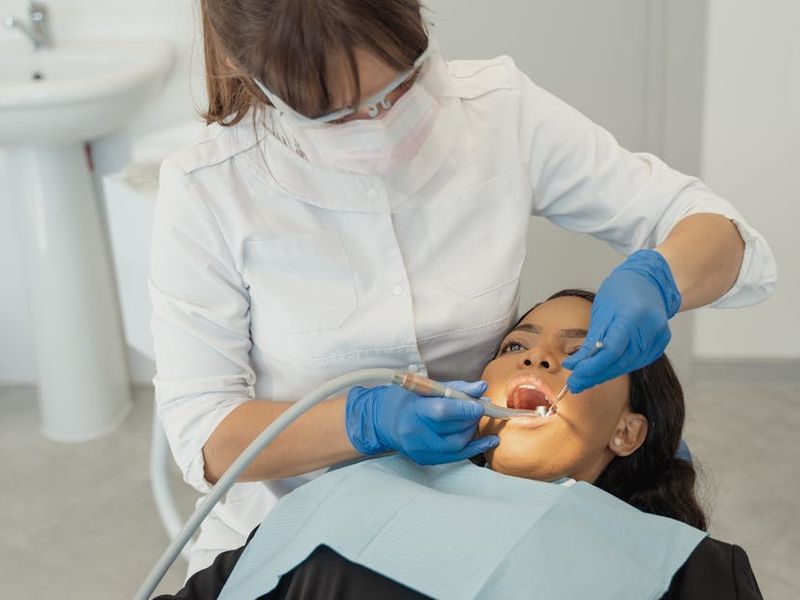
A routine appointment in Cuenca generally follows the same steps you’d expect anywhere, but knowing the flow helps you mentally prepare and ask the right questions.
- Medical and dental history update: Your dentist will ask about medications, allergies, and any changes to your health. Bring records from your home country if you have them.
- Oral exam: Teeth, gums, tongue, and soft tissues are inspected for decay, inflammation, lesions, or early signs of oral cancer.
- X-rays when needed: Panoramic or bitewing X-rays reveal issues below the gum line or between teeth.
- Cleaning (profilaxis): A hygienist removes plaque and tartar, polishes teeth, and applies fluoride if indicated.
- Discussion and treatment plan: The dentist outlines findings and options — from simple fillings to periodontal care.
Expect the visit to last 30–60 minutes for a standard check-up and cleaning. Many clinics in Cuenca are modern and use digital X-rays, but it’s always fine to ask about technology and sterilization practices if it makes you more comfortable.
How often should you have a dental check-up?
The standard recommendation is every six months for most people, but individual needs vary. Your dentist may suggest:
- Every 3–4 months if you have active gum disease or heavy tartar buildup.
- Annually if you have excellent oral health and very low risk of decay (still get cleanings and X-rays as advised).
- More frequent visits when undergoing orthodontic treatment, implants, or complex restorative work.
Consistency matters. Setting a regular rhythm with a local practitioner in Cuenca helps catch changes early and keeps small issues from escalating.
Common dental services available in Cuenca
Cuenca’s dental community serves both locals and international residents, offering a wide range of treatments:
- Preventive care: Cleanings, sealants, fluoride treatments.
- Restorative work: Fillings (composite and amalgam), crowns, bridges.
- Endodontics: Root canal therapy.
- Periodontics: Treatment for gum disease, scaling and root planing.
- Prosthodontics and implants: Dentures, implant placement and restoration.
- Orthodontics: Braces and clear aligners.
- Cosmetic dentistry: Veneers, teeth whitening.
- Emergency care: Extractions, urgent pain management.
Many dentists in Cuenca offer English-friendly service, and you’ll find clinics in central neighborhoods close to public transit and taxis — convenient when you need follow-up visits.
How much does dental care cost in Cuenca?
One reason so many expats are comfortable receiving dental care in Cuenca is cost. Dental procedures in Ecuador are typically less expensive than in North America or Europe, but prices vary with clinic reputation, materials used, and whether a specialist is involved.
- A routine cleaning and check-up often costs significantly less than in the U.S., frequently falling into an affordable local range (ask clinics for current prices).
- Fillings, crowns, and root canals may cost a fraction of prices abroad — but be wary of offers that seem too good to be true.
- Implant work requires multiple visits and can have variable pricing depending on the implant system and whether bone grafting is needed.
Always request a written estimate that outlines materials, number of visits, and any warranties. Many clinics accept cash (in U.S. dollars), debit/credit cards, and occasionally electronic transfers. Since Ecuador uses the U.S. dollar, you won’t face currency-conversion hassles common in other destinations.
Choosing the right dentist in Cuenca: practical tips
Finding a trustworthy dentist is a top priority. Here are practical steps to guide your choice:
- Ask fellow expats: Facebook groups, community centers, and word-of-mouth are gold mines for honest recommendations.
- Check credentials: Look for university training, continuing education, and any specialist certifications relevant to your needs.
- Tour the clinic: If possible, visit before booking treatment. Cleanliness, modern equipment, and friendly staff are positive signs.
- Read reviews: Local review platforms and Google Maps contain patient feedback — read several to get a balanced view.
- Ask about sterilization: Request information on autoclaves and single-use items for peace of mind.
- Language options: If your Spanish is limited, confirm whether English is spoken or plan to bring a translator app.
Trust your instincts. A dentist who listens and explains treatment options clearly is likely to be a good partner in your oral health.
Preparing for your first appointment as an expat
Bring a handful of practical items to make your first visit smooth:
- Identification and any local health insurance paperwork.
- List of current medications and medical conditions.
- Copies of recent dental X-rays or treatment notes from your home dentist (digital files on a USB are ideal).
- A short list of questions or concerns — pain, sensitivity, cosmetic goals, or budget limits.
- If you have dental anxiety, mention it ahead of time; many dentists offer options to help you relax.
Booking an initial consultation allows the dentist to review your history, take baseline X-rays, and give a clear plan with estimated costs before any work begins.
Language, communication, and cultural tips
Spanish is the primary language in Cuenca. While many dentists and clinic staff speak some English — especially in expat-oriented practices — having a few Spanish phrases ready helps. Useful phrases include “¿Puede explicarlo en palabras simples?” (Can you explain it in simple words?) and “¿Cuánto costará y cuántas visitas necesito?” (How much will it cost and how many visits will I need?).
Translation apps work well for basic communication, but for complex procedures consider bringing a bilingual friend or arranging for a professional interpreter. Clear communication about expectations, materials, and post-op care reduces misunderstandings and improves outcomes.
Managing dental emergencies in Cuenca
No one plans dental emergencies, but knowing how to respond can save your tooth and prevent complications.
- Severe pain or swelling: Seek emergency dental care immediately; untreated infections can spread.
- Knocked-out tooth: If it’s a permanent tooth, keep it moist (milk or saliva) and get to a dentist quickly — success depends on prompt reimplantation.
- Broken crown or filling: Temporary dental cement from a pharmacy can protect the area until you see your dentist.
- Lost emergency contact: Keep contact numbers for your dentist and the nearest public hospital handy.
Many clinics in Cuenca offer urgent hours or can refer you to an emergency center. If you are unsure where to go, expat social groups can usually provide up-to-date recommendations.
Prevention: daily habits that reduce visits and costs
The most effective dental strategy is prevention. A few simple home-care habits protect your smile and minimize the need for restorative work:
- Brush twice daily with fluoride toothpaste for two minutes each time.
- Floss daily to remove plaque between teeth where a brush can’t reach.
- Limit sugary snacks and acidic drinks, and rinse with water after consuming them.
- Use an antimicrobial mouthwash if your dentist recommends it.
- Wear a night guard if you grind your teeth; many expats discover nighttime grinding after living with stress or new sleep patterns.
- Maintain a balanced diet rich in calcium and vitamin D for strong teeth and bones.
Consistent home care plus twice-yearly cleanings is the most cost-effective route to long-term oral health.
Special considerations for seniors and families
Cuenca is popular with retirees, and dental needs change with age. Seniors often require more frequent periodontal maintenance, careful medication reviews (some drugs affect saliva production and increase cavity risk), and prosthodontic solutions like dentures or implants.
Families with children should prioritize early preventive visits. Many pediatric dentists in Cuenca are experienced with young patients and bilingual staff, making visits less stressful for both parents and children.
Dental tourism and longer-term treatment planning
Cuenca can be an excellent base for more complex dental work due to cost savings and good standards of care. If you’re planning major treatments — implants, full-mouth restorations, or cosmetic makeovers — plan ahead:
- Allow time for consultations, diagnostics, and staged procedures.
- Understand warranty and follow-up care; some complex work requires monitoring over months or years.
- Coordinate care with a dentist back home if you split treatment between countries.
Many expats combine a dental treatment plan with travel and recovery time in Cuenca, but long-term follow-up is essential to protect your investment in dental work.
Final checklist: before you book your next dental visit in Cuenca
- Have you scheduled check-ups at least once every six months, or more often if recommended?
- Do you have digital copies of past dental records and X-rays available?
- Have you asked about costs, materials, sterilization, and language options?
- Is there an emergency plan and contact number for urgent dental issues?
- Have you joined local expat groups to read current clinic reviews and recommendations?
Keeping these items in mind will make your dental care in Cuenca smoother, safer, and more affordable.
Closing thoughts
Regular dental check-ups are a small investment with big returns: less pain, fewer emergency visits, and long-term savings. In Cuenca, expats can access a wide range of dental services at competitive prices, but the best outcomes come from informed choices and ongoing preventive care. Schedule a consultation, build a relationship with a trusted dentist, and make oral health a routine part of your life in this beautiful city.
Whether you’re new to Cuenca or have lived here for years, your smile deserves attention. Book that check-up — your future self will thank you.
Adam Elliot Altholtz serves as the Administrator & Patient Coordinator of the “Smilehealth Ecuador Dental Clinic“, along with his fellow Expats’ beloved ‘Dr. No Pain‘, right here in Cuenca, Ecuador, and for purposes of discussing all your Dental needs and questions, is available virtually 24/7 on all 365 days of the year, including holidays. Adam proudly responds to ALL Expat patients from at least 7:00am to 9:00pm Ecuador time, again every single day of the year (and once more even on holidays), when you write to him by email at info@smilehealthecuador.com and also by inquiry submitted on the Dental Clinic’s fully detailed website of www.smilehealthecuador.com for you to visit any time, by day or night. Plus, you can reach Adam directly by WhatsApp at +593 98 392 9606 -or by his US phone number of 1‐(941)‐227‐0114, and the Dental Clinic’s Ecuador phone number for local Expats residing in Cuenca is 07‐410‐8745. ALWAYS, you will receive your full Dental Service in English (NEVER in Spanish), per you as an Expat either living in or desiring to visit Cuenca by your Dental Vacation, plus also to enjoy all of Ecuador’s wonders that are just waiting for you to come arouse and delight your senses.