
Table of Contents
Why routine dental visits matter — beyond a bright smile
For many expats in Cuenca, dental care is one of those health areas that slips down the priority list until pain or a visible problem appears. Regular check-ups do more than keep your teeth white: they catch cavities early, prevent gum disease, spot signs of systemic health issues, and dramatically reduce the time and money you’ll spend on more invasive procedures down the road.
How often should you see a dentist in Cuenca?
The general recommendation is every six months for routine cleanings and an annual comprehensive exam, but your dentist might suggest more frequent visits depending on your risk profile. People with gum disease, diabetes, heavy tobacco use, or a history of frequent cavities may need check-ups every three to four months. Pregnant women and older adults should also be monitored more closely because hormonal changes and age-related risks affect oral health.
What happens during a typical check-up?
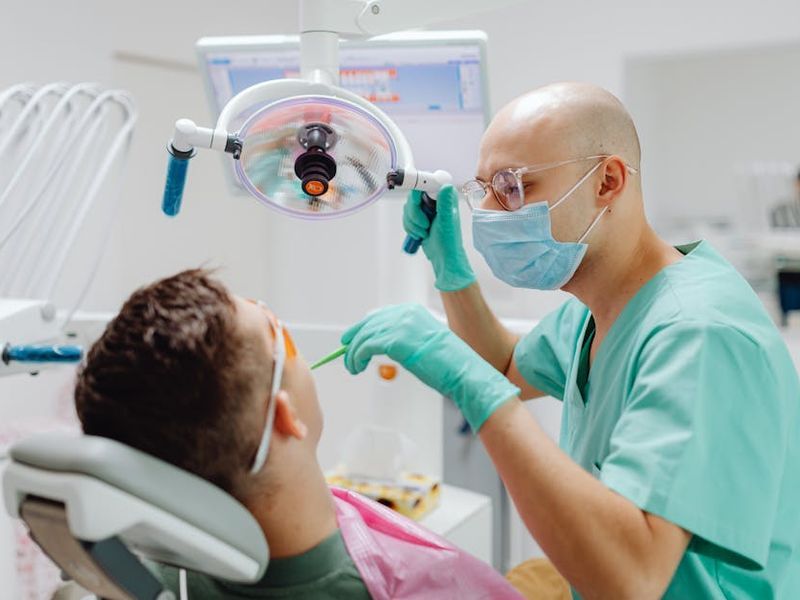
A standard dental visit in Cuenca combines preventive care and screening. Expect these elements:
- Medical and dental history review — changes in medications, chronic conditions (like diabetes), and symptoms you’ve noticed.
- Oral exam — inspection of teeth, gums, tongue, cheeks, and jaw for decay, infection, or lesions.
- Cleaning (prophylaxis) — removal of plaque and tartar, polishing, and flossing guidance.
- Periodontal assessment — measuring pocket depths around teeth to check for gum disease.
- Digital X-rays or intraoral photos — used when needed to find issues below the gumline or between teeth.
- Discussion of findings and a treatment plan, with estimates and timelines.
Common signs that you shouldn’t wait for your next appointment
Some dental issues demand prompt attention. It’s smart to see a dentist right away if you notice persistent pain, swelling, bad taste in the mouth, sudden tooth mobility, or a lump/ulcer that doesn’t heal within two weeks. In Cuenca, many clinics offer walk-in appointments or same-week care for emergencies—find one close to your neighborhood to avoid long waits.
Finding the right dentist in Cuenca: practical tips for expats
Cuenca has a well-established private dental sector that attracts locals, expats, and dental travelers because of high-quality care at lower prices than in North America or Europe. Use these strategies to choose a provider:
- Ask other expats: Facebook groups and local meetups are full of recent recommendations and real experiences.
- Check credentials: look for a visible license in the clinic and inquire about training, specialties, and years of practice.
- Visit in person: evaluate clinic cleanliness, the sterilization area, and whether staff communicate clearly in Spanish or English.
- Get written estimates: for elective or major procedures, ask for a written treatment plan with timelines and guarantees.
- Look for modern diagnostics: most reputable practices in Cuenca use digital X-rays, intraoral cameras, and updated sterilization protocols.
Cost expectations and how to manage them
Ecuador uses the US dollar, which simplifies comparisons for many expats. One of the advantages of living in Cuenca is lower dental prices compared with many home countries, but costs vary by procedure and materials. Routine cleanings and exams are generally affordable, while restorative work (crowns, root canals, implants) will be more substantial. Always ask whether materials (like ceramic vs. metal crowns) or lab work are included in the quoted price.
If you’re covered by IESS (Ecuador’s social security), some basic dental services may be available, but public coverage often comes with longer wait times and limited options for advanced restorative work. Private dental insurance and international plans can help cover costs; otherwise, many expats pay out of pocket and find the savings compared with their home country make higher-quality treatments accessible.
University clinics and budget-friendly care
Cuenca’s universities and dental schools sometimes operate teaching clinics where supervised students provide care at reduced rates. These clinics are a great option for routine work and straightforward restorations. The trade-off is slightly longer appointment times and the need for supervision, but you’ll receive careful treatment and modern techniques at a lower price. Ask about supervision levels and review patient consent documents before proceeding.
Many dentists and staff in Cuenca speak English, especially in clinics catering to expats or located near the historic center. Still, it’s wise to prepare: translate key phrases, write down health issues and medication names, and bring a bilingual friend or use a smartphone translator for clarity. Make sure you clearly understand the treatment plan, risks, alternatives, and follow-up schedule before agreeing to anything.
Prevention you can do at home
Routine dental visits are essential, but most of your oral health is determined by daily habits. These practical preventive steps reduce the chance you’ll need restorative care:
- Brush twice daily with fluoride toothpaste for two minutes.
- Floss daily and consider interdental brushes for wider gaps.
- Limit sugary snacks and acidic drinks. When you do indulge, rinse with water afterwards.
- Stay hydrated—dry mouth increases decay risk and many expats find medications or altitude can cause dryness.
- Quit or reduce tobacco use; smoking is a major risk factor for gum disease and oral cancer.
- Use a mouthguard for grinding (bruxism) or nighttime tooth wear—ask your dentist about a custom guard.
Special considerations for expats and long-term residents
Moving to another country often means gaps in your medical and dental history. Here are smart steps to keep continuity of care:
- Bring copies of recent dental X-rays, charts, and any treatment records—PDFs or scanned files are easiest to share.
- Schedule an initial comprehensive exam soon after arrival to establish a baseline and catch hidden problems early.
- If you plan to travel often, coordinate with your dentist for repeatable maintenance plans and a list of on-call contacts in Cuenca for emergencies.
- Consider timing major dental work during a period when you plan to be in Cuenca for follow-up—crowns, implants, and complex root canals may need multiple visits.
Oral health and overall health — a two-way relationship
Gum disease has been linked to several systemic conditions including heart disease, stroke, and poor diabetes control. If you have a chronic condition, it’s critical to tell your dentist and keep up with periodontal maintenance. Conversely, dentists in Cuenca will often identify signs of systemic illness—like oral lesions or unexplained gum bleeding—and refer you to medical care. Routine dental visits therefore act as another safety net for your general health.
When to seek emergency care in Cuenca
Know where to go before you need it. Emergency dental situations include uncontrolled pain, facial swelling, severe bleeding, or a knocked-out tooth. Many private dental clinics in Cuenca offer emergency hours or can arrange urgent appointments—even on weekends—while hospitals can handle severe infections. Keep a local emergency clinic or dentist’s contact card in your wallet and save it in your phone for quick access.
Evaluating long-term restorative options: implants, crowns, and dentures
If you need major restorative work, Cuenca has experienced dentists who perform advanced rehabilitations, including implants and full-mouth restorations. Benefits of getting these procedures locally include lower cost, access to skilled dental labs, and the ability to closely monitor healing. But plan carefully: implants require several months for bone integration, so ensure you’ll remain in Cuenca for the necessary follow-ups or that your dentist coordinates care with colleagues in your home country.
Red flags at your dentist—what to watch for
Most clinics in Cuenca prioritize patient safety, but always be attentive. Watch out for: lack of informed consent, minimal or no sterilization visible, pressure to accept expensive treatment immediately without explanation, or vague guarantees about results. A trustworthy dentist will explain options, risks, materials used, and show you X-rays or photos when discussing problems.
How to create a practical dental routine in Cuenca
Start with an initial comprehensive exam within your first few months, then set up a regular schedule that fits your risk level—every six months is a reasonable baseline. Keep copies of all treatment records and X-rays, maintain a list of medications, and prioritize preventive care. For peace of mind, pick a dental clinic within 15–20 minutes of your home in neighborhoods like El Centro, El Vergel, or near the Tomebamba river; accessibility makes it easier to keep appointments and respond quickly to emergencies.
Final thoughts: invest in prevention to enjoy life in Cuenca
Regular dental check-ups are an investment in your quality of life as an expat in Cuenca. Preventive visits save money, reduce pain, and help maintain overall health—allowing you to savor local cuisine, social life, and travel without being sidelined by dental problems. With a mix of affordable private clinics, university options, and knowledgeable professionals, Cuenca offers many paths to excellent oral care. Find a dentist you trust, keep up with routine visits, and your smile will keep serving you well in your Ecuadorian adventure.
Quick checklist before your first Cuenca dental visit
- Bring ID, IESS card if applicable, and recent dental records or X-rays.
- Prepare a list of medications and allergies.
- Ask about language support and whether staff speak English.
- Request a written treatment plan and price estimate.
- Confirm follow-up and emergency contact procedures.
Keep this guide handy as you explore dental options in Cuenca—your future self will thank you for the time and care you put into prevention now.
Adam Elliot Altholtz serves as the Administrator & Patient Coordinator of the “Smilehealth Ecuador Dental Clinic“, along with his fellow Expats’ beloved ‘Dr. No Pain‘, right here in Cuenca, Ecuador, and for purposes of discussing all your Dental needs and questions, is available virtually 24/7 on all 365 days of the year, including holidays. Adam proudly responds to ALL Expat patients from at least 7:00am to 9:00pm Ecuador time, again every single day of the year (and once more even on holidays), when you write to him by email at info@smilehealthecuador.com and also by inquiry submitted on the Dental Clinic’s fully detailed website of www.smilehealthecuador.com for you to visit any time, by day or night. Plus, you can reach Adam directly by WhatsApp at +593 98 392 9606 -or by his US phone number of 1‐(941)‐227‐0114, and the Dental Clinic’s Ecuador phone number for local Expats residing in Cuenca is 07‐410‐8745. ALWAYS, you will receive your full Dental Service in English (NEVER in Spanish), per you as an Expat either living in or desiring to visit Cuenca by your Dental Vacation, plus also to enjoy all of Ecuador’s wonders that are just waiting for you to come arouse and delight your senses.