
Table of Contents
Why regular dental check-ups matter — more than just a bright smile
Routine dental visits do a lot more than polish teeth. For expats living in Cuenca, regular check-ups protect your oral health, catch small problems before they become costly procedures, and can even alert you to systemic health issues like diabetes or vitamin deficiencies. Preventive care reduces the chance of painful emergencies while keeping your dental record up-to-date—important if you plan to travel, return home, or seek treatment under Ecuador’s health systems.
How often should you visit a dentist in Cuenca?
The classic recommendation is an exam and professional cleaning every six months. However, the ideal frequency depends on your personal risk factors:
- Low-risk adults: every 6–12 months.
- People with gum disease or a history of frequent cavities: every 3–4 months for monitoring and deeper cleanings.
- Smokers, diabetics, or those with weakened immunity: often need more frequent visits — discuss with your dentist.
- Children: every 3–6 months depending on cavity risk; dentists also advise on fluoride and diet.
During your first appointment in Cuenca you’ll likely receive a baseline exam and X-rays. From there the dentist will recommend a personalized recall interval based on gum health, decay activity, and your oral hygiene habits.
What to expect at your first dental visit in Cuenca
Your initial visit typically includes:
- A full medical and dental history — bring a list of medications and any allergies.
- Clinical exam of teeth, gums, bite and oral tissues.
- Digital X-rays if needed to check between teeth and under restorations.
- Professional cleaning (scaling and polishing) and fluoride treatment when appropriate.
- A written treatment plan and cost estimate for any recommended procedures.
Many modern clinics in Cuenca offer digital X-rays (lower radiation and quick results) and can email or print reports for your records. Ask for copies so you can keep your dental history if you move or visit another dentist.
Public vs. private dental services in Cuenca: pros and cons
Cuenca provides several options for dental care:
- IESS (public social security): If you are a contributor to IESS, you can access dental care through the public system. Costs are subsidized and sometimes free for basic services, but wait times can be long and procedures more limited.
- Private clinics: Faster appointments, modern equipment, and more treatment options (cosmetic dentistry, implants, advanced endodontics). These clinics are popular with expats who value quick service and bilingual staff.
- University clinics: The dental programs at local universities can offer lower-cost care performed by supervised students. Quality can be high and fees reasonable, but appointments may take longer.
For expats who want speed, comfort, and English-speaking staff, private clinics in central neighborhoods tend to be best. If you are budget-conscious and enrolled in IESS, start there and ask about referral options for specialized work.
Where to look for dentists in Cuenca — neighborhoods and practical tips
Cuenca’s main expat hubs and convenient clinic areas include:
- Centro Histórico — many clinics here cater to tourists and expats with bilingual staff and modern facilities.
- El Vergel and El Batán — family-friendly neighborhoods with community-oriented dental offices.
- Near Parque Calderón and Avenida Ordoñez Lasso — easy walking access for those living downtown.
- Residential suburbs like Ricaurte and Yanuncay — clinics here are often quieter and may charge slightly less.
Practical search tips: check local expat community groups (Facebook: Cuenca expats, WhatsApp groups), ask at international pharmacies, and look for Google reviews in English and Spanish. When you call, ask whether staff speak English and whether they use digital X-rays and sterilization standards you’re comfortable with.
Understanding costs in Cuenca — realistic price ranges
Ecuador uses the US dollar, which makes budgeting easier for many expats. Costs in Cuenca are lower than in North America and Europe, but prices vary widely by clinic and materials. Typical ranges (approximate) are:
- Routine cleaning (profilaxis): $25–$60
- Filling (composite/resin): $40–$120 per surface
- Root canal (anterior): $100–$250; molar root canal: $200–$500
- Porcelain crown: $250–$700
- Single dental implant (implant + crown): $900–$2,000 depending on implant brand and lab work
- Extraction (simple): $20–$80; surgical extraction: $80–$250
Always request a written estimate before starting treatment. Many clinics accept cash, credit cards, and bank transfers. Some offer payment plans for larger treatments; ask in advance about financing options.
Insurance, IESS and expat coverage — what to know
If you’re an IESS contributor, basic dental services may be available through the public system. Coverage varies and specialized treatments often require referrals or out-of-pocket payment. Private health insurance plans sometimes include dental riders; read your policy fine print to understand what’s covered in Ecuador.
Tips for expats:
- Keep receipts and itemized invoices — necessary for reimbursement from international insurers.
- Confirm whether your international travel insurance covers dental emergencies; many plans will cover urgent care but not elective procedures.
- If planning major dental work, check if your insurer requires pre-approval.
Finding a bilingual dentist and managing language barriers
While many dentists in Cuenca speak at least some English, fluency varies. To avoid misunderstandings:
- Ask for a staff member who speaks English when booking.
- Bring a Spanish-speaking friend or hire a translator for complicated treatment discussions.
- Write down symptoms, medication names, and questions ahead of time in both languages — translation apps can help, but verify technical terms with the clinic.
Clear communication is essential for consent, treatment planning, and aftercare instructions — don’t proceed unless you are confident you understand the benefits, risks and alternatives.
Common preventative services and why they matter
Regular check-ups are your best defense. Typical preventive services include:
- Professional cleaning (removal of plaque and calculus) to prevent gum disease.
- Fluoride varnish or gels for high-cavity-risk patients.
- Sealants for children’s molars to prevent decay in grooves.
- Oral cancer screening — especially important for smokers or those with alcohol use.
- Periodic X-rays to detect decay between teeth and below restorations.
Keeping plaque under control with daily brushing and interdental cleaning makes professional visits more effective and less costly over time.
Red flags and dental emergencies — when to go immediately
Not every toothache is an emergency, but certain signs require prompt attention:
- Severe, persistent pain or swelling of the face/neck — possible abscess; seek care immediately.
- Uncontrolled bleeding following an extraction or trauma.
- Knocked-out tooth (avulsion) — find the tooth, keep it moist (milk or saliva), and see a dentist immediately; reimplantation is time-sensitive.
- Loose permanent teeth from trauma — urgent evaluation is needed.
- Signs of infection: fever, swelling, worsening pain — antibiotics plus dental treatment may be required.
Many private clinics keep a daytime after-hours phone line for emergencies; identify a clinic near you that offers this service, especially if you live outside the city center.
Preparing for major dental treatment in Cuenca
For crowns, implants, or extensive restorative work:
- Get a clear treatment timeline in writing, including the number of visits, materials, and follow-up care.
- Ask about the brand of implants or materials used — reputable brands tend to be more predictable long-term.
- Request temporary restorations while lab work is completed so you’re comfortable between appointments.
- Plan for downtime if surgery is involved; arrange transport and someone to help you the first 24 hours after sedation or heavy procedures.
If you’re considering combining dental care with travel (dental tourism), remember to allow extra time for follow-ups and potential complications, and ensure you have local support if something goes wrong after you return to your home country.
Daily oral care tips tailored to life in Cuenca
Small daily habits make a big difference:
- Use fluoride toothpaste and brush twice daily for two minutes.
- Floss or use interdental brushes once a day — particularly important if you have tight contacts or bridges.
- Use an antimicrobial mouthwash if recommended by your dentist; it can reduce gum inflammation.
- Limit sugary snacks and acidic drinks; if you enjoy local fresh fruit juices, rinse with water afterward and avoid sipping slowly all day.
- Stay hydrated; dry mouth increases decay risk. If you take medications that reduce saliva, discuss preventive measures with your dentist.
Practical appointment tips for expats
Make your dental care experience smoother with these suggestions:
- Schedule appointments in the morning to avoid delays and ensure fresher breath for the team.
- Bring prior X-rays and treatment records from your home country if possible — many clinics can import digital files.
- Arrive 10–15 minutes early with ID and insurance details if applicable.
- Ask for itemized invoices for insurance claims and future reference.
- If you’re nervous about procedures, talk to the clinic about sedation options; many clinics offer nitrous oxide (laughing gas) or oral sedatives.
How to choose a dentist you can trust in Cuenca
Beyond cost and convenient location, look for these markers of quality:
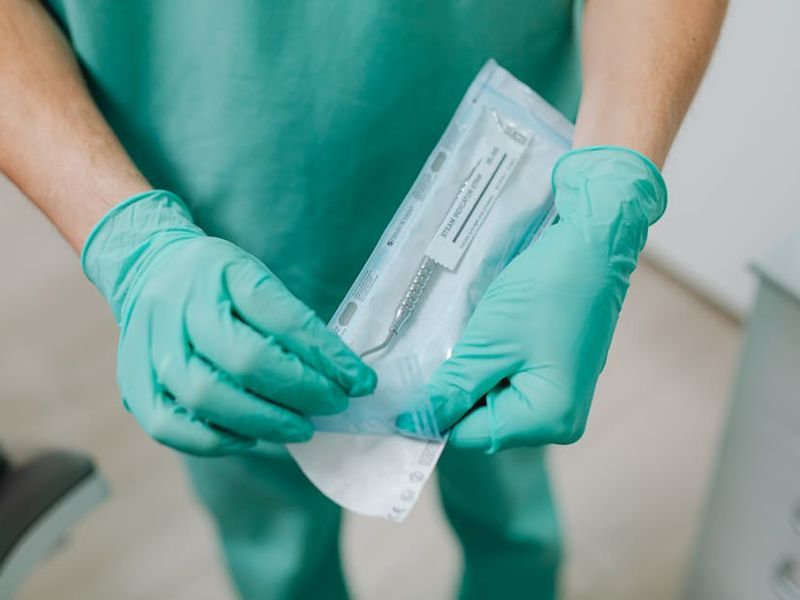
- Clean, modern clinic with visible sterilization protocols.
- Use of digital technology (X-rays, intraoral cameras) for accurate diagnosis.
- Transparency about treatment options, risks, and costs.
- Positive references from other expats or local professionals.
- Willingness to provide written treatment plans and to communicate clearly about follow-up care.
Final thoughts — make check-ups part of your expat routine
For expats living in Cuenca, regular dental check-ups are one of the easiest ways to protect both your smile and your wallet. With a mixture of affordable private clinics, public options through IESS, and university dental programs, you can find care that fits your budget and comfort level. Prioritize prevention, keep good records, and choose a clinic where communication is clear — it will pay off in fewer emergencies, lower long-term costs, and a healthier life in this vibrant Ecuadorian city.
Ready to book your next visit? Start by checking local expat groups for recommendations, call a few clinics to compare services and prices, and bring copies of past dental records to make your first appointment efficient and productive.