
Table of Contents
Why regular dental check-ups matter in Cuenca
Routine dental visits are the foundation of long-term oral health, whether you’re a lifelong Cuencano or an expat settling into the city’s colonial streets. Regular check-ups catch small problems before they become painful, reduce the need for expensive restorative work, and protect overall health — an especially important point in a place like Cuenca where high-altitude living, dietary habits, and access to bilingual care influence treatment decisions.
How often should you go to the dentist?
The conventional advice is a check-up every six months. That’s a solid baseline for people with healthy gums and no active problems. But frequency should be personalized. Consider these guidelines:
- Every 6 months: standard for most adults with healthy mouths.
- Every 3–4 months: people with periodontal (gum) disease, heavy tartar buildup, or uncontrolled diabetes.
- Every 3–6 months for children: depending on cavity risk and fluoride exposure.
- During pregnancy: a dental check during the second trimester is safest for routine care; urgent needs can be addressed any time with your OB’s input.
- Immediately if you have pain, swelling, broken teeth, or signs of infection.
What happens during a typical dental check-up in Cuenca?
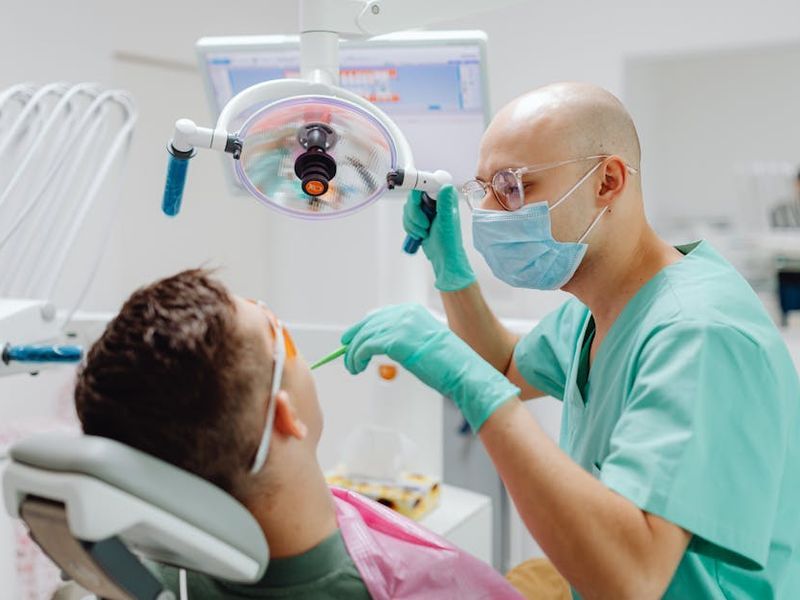
A standard examination includes several steps designed to assess and protect oral health:
- Review of medical history and medications (important if you are on blood thinners or have chronic conditions).
- Clinical exam of teeth, gums, tongue, and soft tissues for decay, gum disease, and signs of oral cancer.
- Professional cleaning (prophylaxis) to remove plaque and tartar above and slightly below the gum line.
- X-rays when indicated—bitewings or panoramic imaging to detect cavities between teeth or checkwisdom teeth.
- Periodontal charting for patients with gum concerns to measure pocket depths and monitor progression.
- Advice on home care: brushing technique, interdental cleaning, and diet.
Dental services available in Cuenca: what you can get locally
Cuenca’s dental market covers everything from basic hygiene to advanced specialty care. Local private clinics and public services offer:
- Preventive care: cleanings, fluoride, sealants (especially for kids).
- Restorative work: fillings, root canals, crowns, fixed and removable dentures.
- Oral surgery: extractions (including wisdom teeth) and implant placement.
- Periodontics: deep cleanings (scaling & root planing), gum surgery.
- Orthodontics: traditional braces and often clear aligners; many clinics serve long-term cases.
- Cosmetic dentistry: veneers, teeth whitening, and smile design.
- Emergency dental care: urgent toothaches, trauma management, and infection control.
Public affiliates of the Instituto Ecuatoriano de Seguridad Social (IESS) may receive dental care through their benefits; check your coverage for specifics on exams, fillings, and prosthetics. Private clinics in the historic center, near the university, and in newer neighborhoods offer competitive prices and modern equipment.
Costs and what to expect to pay (approximate)
Ecuador uses the U.S. dollar, and Cuenca’s dental costs are often lower than those in North America or Europe. Prices vary by clinic, materials, and provider experience, but typical ranges are:
- Routine exam and basic cleaning: $20–$60
- Single surface composite filling: $30–$100
- Root canal (anterior): $80–$200; molar root canals can be higher
- Crown (porcelain-fused-to-metal or zirconia): $200–$600
- Dental implant (placement + crown): $800–$2,000+
- Orthodontic braces (metal): $800–$2,000; clear aligner options vary
These are ballpark figures — always request an itemized estimate and compare clinics. Many private practices accept cash, cards, and sometimes payments in installments. If you’re an IESS affiliate, verify which services are covered and whether you need a referral.
How to find a dentist in Cuenca — practical tips for expats
Language comfort and trust are top priorities for expats. Here’s how to find a dentist you’ll be happy with:
- Ask local expat groups (Facebook, Meetups) for recent recommendations; they frequently share experiences with bilingual dentists and reliable clinics.
- Visit clinics in person to inspect cleanliness and ask about sterilization protocols and digital X-rays.
- Look for dentists with continuing education and specialty certifications; many dentists list credentials on their websites.
- Bring past dental records and X-rays if you have them — it speeds diagnosis and avoids repeat imaging.
- Check for an English-speaking staff member or arrange for a friend/translator to assist with consent and treatment plans if your Spanish is limited.
What to ask during your first visit
Good communication leads to better outcomes. Bring a list of questions like:
- What is included in this check-up and cleaning?
- Do you recommend X-rays today, and why?
- What are the treatment options for the problem you’ve found, and what are the costs and timelines?
- Do you offer sedation or comfort options if I’m anxious?
- What warranty or guarantee do you provide for restorative work (crowns, implants)?
- How do you handle emergencies after hours?
Emergency dental care and after-hours options
Tooth pain, swelling, or traumatic injuries require prompt attention. In Cuenca, many private clinics offer emergency appointments during business hours and some have on-call dentists for nights and weekends. Public hospitals and IESS emergency departments will manage acute infections or trauma if you need immediate care.
If you have facial swelling, difficulty breathing, or spreading infection, go to the nearest hospital emergency room right away. Otherwise, call ahead to your dental clinic for triage and an emergency appointment.
Prevention: daily habits that reduce check-up frequency
Regular visits are less burdensome if you maintain good home care. Practical, local-friendly tips include:
- Brush twice daily for two minutes with a soft-bristled brush and fluoride toothpaste.
- Floss daily or use interdental brushes; many pharmacies in Cuenca carry a range of interdental tools.
- Limit sugary snacks and frequent sipping of sweet drinks; Ecuadorian snacks and fruit juices can be high in sugar.
- If you are sensitive to tap water changes, consider drinking bottled water or using a fluoride mouthwash if your tap water is not fluoridated.
- Visit your dentist early if you notice bleeding gums, persistent bad breath, or loosening teeth — early interventions save money and teeth.
Special considerations for seniors and children in Cuenca
Children: Early dental visits (by first tooth or around age one) set the stage for prevention. Pediatric dentists in Cuenca provide fluoride varnishes, sealants, and guidance on thumb-sucking and diet. Ask about school-based programs and community pediatric outreach if cost is a concern.
Seniors: Aging adults often face gum recession, dry mouth from medications, and root caries. Regular cleanings and more frequent periodontal maintenance may be necessary. If you’re an IESS beneficiary, explore what prosthetic options and maintenance are covered.
Cosmetic and elective dentistry — weigh benefits and timing
Cosmetic services like whitening, veneers, and smile makeovers are widely available in Cuenca and are often priced below North American rates. While cosmetic upgrades can boost confidence, balance the benefits against oral health priorities. Complete necessary restorative work before pursuing elective cosmetic treatments, and verify the experience of the dentist in cosmetic techniques.
Choosing between public and private care
Public clinics and IESS facilities can provide essential care at lower out-of-pocket cost for affiliates, but wait times and availability for specialists may be longer. Private clinics are convenient, typically bilingual, and often use the latest technology; the trade-off is higher fees. Many expats use a mix: routine prevention via private clinics and public services for covered procedures if eligible.
Final checklist before your dental appointment in Cuenca
- Bring a list of current medications and medical conditions.
- Bring previous dental X-rays or records if you have them.
- Confirm payment methods and get an estimate in writing for major procedures.
- Ask about language support if Spanish is not your first language.
- Plan follow-up appointments before you leave the clinic if more treatment is needed.
Wrap-up — make regular check-ups a habit
Regular dental check-ups in Cuenca protect your smile, save money in the long run, and support general health. Whether you choose a private bilingual practice near the Parque Calderón or utilize IESS services, aim for a schedule that fits your risk level: six months for most, more frequently for those with gum disease or other risks. Use the tips above to find a trustworthy dentist, understand costs, and prepare for a smooth visit.
Start today: book a preventive check-up, bring your dental history, and keep a simple home-care routine. A small investment in routine care means fewer emergencies and a brighter smile on Cuenca’s charming streets.