
Table of Contents
Why routine dental visits matter — beyond a clean smile
Regular dental check-ups are more than cosmetic appointments: they are a key part of maintaining overall health. Dentists detect cavities, gum disease, oral cancer signs, and problems that affect nutrition, speech, and sleep. For people living in Cuenca — whether you’re a lifelong resident or an expat settling in — consistent dental care saves money, prevents pain, and preserves teeth for life.
How often should you see a dentist in Cuenca?
General guidance is simple: see a dentist every six months for most adults. That frequency supports professional cleaning, early detection of decay, and routine X-rays when needed. But individual needs vary:
- Every 6 months: Most adults with healthy gums and a low risk of cavities.
- Every 3–4 months: People with periodontal (gum) disease, rapid decay, or compromised immunity.
- Annual to every 18 months: Adults with excellent oral health and low risk, pending dentist recommendation.
- Children: Start dental visits when the first tooth appears or by the first birthday; frequency typically every 3–6 months depending on risk.
During your first appointment at a new clinic, the dentist will assess your overall risk and recommend a personalized schedule.
What happens at a routine check-up?
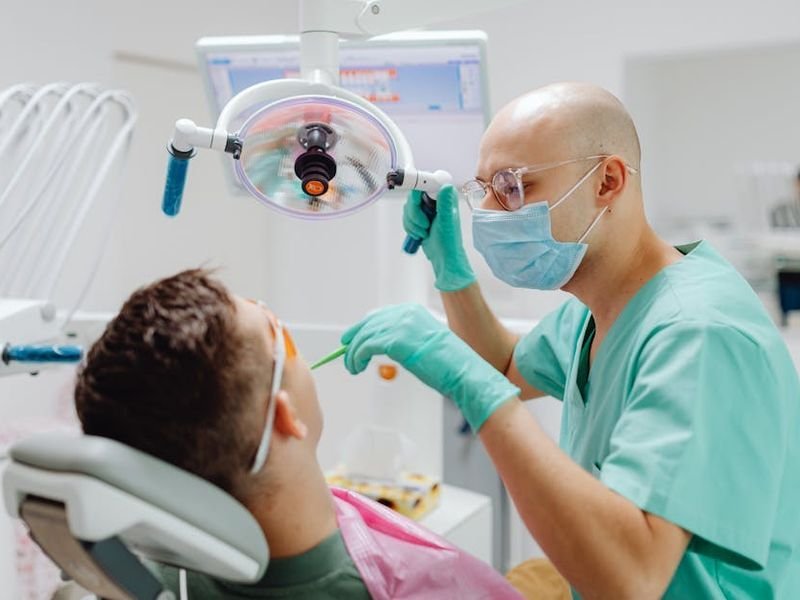
A typical visit in Cuenca includes several predictable steps. Knowing what to expect eases anxiety and helps you prepare financially:
- Medical and dental history review: Update allergies, medications, and recent health changes.
- Clinical exam: Teeth, gums, tongue, cheeks, and bite are checked for problems.
- Professional cleaning (profilaxis): Scaling to remove plaque and tartar, polishing, and fluoride application if needed.
- X-rays: Bitewing or panoramic films may be taken every 1–3 years depending on risk.
- Treatment planning: If decay or gum disease is found, the dentist outlines options, cost estimates, and timelines.
Bring any recent X-rays or previous dental records to your appointment — this helps the dentist provide continuity of care.
Costs in Cuenca: what to expect (approximate)
Dental fees in Cuenca are generally lower than in North America or Europe, but prices vary by clinic, specialist, and materials. The following are rough ranges in US dollars to help you budget (prices approximate and change over time):
- Routine cleaning: $20–$50
- Dental exam with X-rays: $20–$60
- Composite filling: $30–$120
- Root canal (molar): $150–$450
- Crown (porcelain/ceramic): $200–$600
- Dental implant (excluding crown): $700–$1,500
Ask the clinic for a written, itemized estimate before treatment. Many private clinics accept cash and major cards; some offer payment plans for larger procedures.
Finding the right dentist in Cuenca
Choosing a dentist is about trust, communication, and technical skill. Use these practical methods to shortlist clinics:
- Ask local expat groups and community forums for recommendations; real experiences offer insight into patient care and language support.
- Look for clinics in central neighborhoods such as the historic center, El Centro, San Sebastián, or near major hospitals for convenience and emergency access.
- Search for bilingual dentists or clinics with English-speaking staff if your Spanish is limited. A simple phrase to use: “¿Habla usted inglés?” (Do you speak English?).
- Check for proper credentials and whether the dentist is registered with local professional bodies (Colegio de Odontólogos or equivalent).
- Visit a clinic to check cleanliness, modern equipment (digital X-rays, sterilization), and how staff treat patients.
Public vs. private care and dental schools
Cuenca offers a mix of private dental offices, public clinics, and university dental programs. If you’re on a budget, consider these options:
- Private clinics: Faster appointments, modern equipment, and a wider range of cosmetic and specialty services.
- Public health services/IESS: Ecuador’s public system provides dental services for registered beneficiaries, often at lower cost. Coverage depends on your enrollment and the procedure.
- University dental clinics: Dental schools often run teaching clinics that provide care at reduced fees under faculty supervision — a good option for routine work and community care.
Emergency dental care in Cuenca
Dental emergencies happen: an abscessed tooth, sudden swelling, knocked-out tooth, or severe pain. Here’s what to do:
- If you can contact your regular dentist, do so immediately — many dentists reserve slots for urgent cases.
- For severe swelling, systemic symptoms, or breathing difficulty, go to the nearest hospital emergency department without delay.
- For a knocked-out permanent tooth, keep it moist (milk or saliva), avoid scrubbing the root, and see a dentist within an hour if possible.
- Manage pain temporarily with over-the-counter analgesics and cold compresses while seeking dental care.
Familiarize yourself with after-hours emergency services in Cuenca so you know where to go if problems strike late at night.
Preventive care at home — daily habits that extend your dental visits
Professional care is essential, but most of your oral health is maintained at home. These simple actions reduce the need for costly treatments:
- Brush at least twice daily with a fluoride toothpaste; use a soft-bristled brush and replace it every 3 months.
- Floss daily or use interdental brushes for tight spaces.
- Limit sugary snacks and acidic beverages; when you do indulge, rinse with water and avoid grazing throughout the day.
- Quit smoking — it dramatically increases risk of gum disease and oral cancer.
- Drink plenty of water and maintain a balanced diet rich in calcium and vitamin D.
Special considerations: children, pregnant people, and seniors
Different life stages change dental needs:
- Children: Start early, teach proper brushing, and use fluoride varnish if recommended. Sealants may prevent cavities on molars.
- Pregnancy: Routine care and cleanings are safe and recommended during pregnancy. If an X-ray is necessary, dentists use a lead apron to shield the abdomen and minimize exposure; always inform the dentist if you are pregnant.
- Seniors: Dry mouth from medications, root caries, and gum recession are common. Regular checks and denture maintenance are important.
Language and cultural tips for expats
Expats often worry about language barriers. Here are helpful phrases and tips to make visits smoother:
- Useful Spanish phrases: “Tengo dolor de muela” (I have a toothache), “Necesito una limpieza” (I need a cleaning), “¿Cuánto cuesta esto?” (How much does this cost?).
- Bring a friend or hire a translator for the first appointment if you don’t speak Spanish well.
- Be upfront about dental anxiety — dentists in Cuenca are used to treating nervous patients and may offer sedation options or extra time to explain procedures.
Insurance, payments, and practical steps before treatment
Dental insurance options vary. Many expats find that paying out-of-pocket in Ecuador is affordable compared with overseas costs. Still, check these points before major work:
- Ask if the clinic provides an itemized estimate and whether prices include lab fees for crowns or implants.
- Check accepted payment methods — many clinics accept cash, local debit/credit cards, and sometimes foreign cards (notify your bank).
- If you have international dental insurance, confirm whether the clinic accepts direct billing or if you’ll need to pay and submit receipts for reimbursement.
- Get a second opinion for complex or expensive procedures; comparing treatment plans can save money and give peace of mind.
Making the most of your dental visit in Cuenca
To maximize the benefit of each appointment: arrive with a list of concerns, bring a current medication list, and keep previous X-rays on hand if possible. If you’re new to Cuenca, spend a little time researching clinics, read recent patient reviews, and visit the office to meet staff before committing to major treatment. Regular preventive care combined with smart home habits will keep your smile healthy and help you enjoy life in Cuenca without dental worries.
Quick checklist before your next appointment
- Confirm clinic hours and whether you need an appointment or allow walk-ins.
- Bring ID, list of medications, and dental records if you have them.
- Ask about language support and payment methods.
- Request a written treatment estimate for any planned procedures.
Regular dental check-ups are an investment in long-term health. In Cuenca’s welcoming community with competent and affordable dental care, staying on top of your oral health is both achievable and rewarding. Schedule your next check-up today — small, regular steps keep big problems away.