
Table of Contents
Why regular dental checkups matter — more than just a bright smile
Dental checkups are about far more than polishing teeth. Routine visits detect early-stage problems — from cavities and gum disease to signs of systemic conditions such as diabetes or oral cancer. For residents and expats in Cuenca, regular dental care protects oral health while avoiding more costly, complex procedures down the road.
Beyond disease prevention, a dental professional keeps an eye on wear patterns, bite alignment, and any prosthetics or dental work you already have. Small issues that are caught early are easier, cheaper, and less invasive to treat. For newcomers and long-term residents alike, establishing a relationship with a trusted local dentist is a practical part of staying healthy in Ecuador.
How often should you get a checkup in Cuenca?
The general rule recommended by most dentists is a checkup every six months, which typically includes an oral exam and professional cleaning. However, your individual needs may vary: people with active cavities, gum disease, heavy tobacco use, diabetes, or a history of frequent dental problems might need appointments every three to four months.
Children need monitoring from the time their first tooth erupts, with a first dental visit often recommended within six months of that event. Seniors and those with dental implants, dentures, or complex restorations may also benefit from more frequent visits. Discuss an individualized recall schedule with your dentist in Cuenca.
What to expect during a typical checkup
A routine dental visit in Cuenca usually includes several standard steps: a review of your medical history, a visual and tactile examination of teeth and gums, a professional cleaning (scaling and polishing), and X-rays if needed. Many clinics will perform an oral cancer screening and evaluate jaw function and bite.
If radiographs are required, they are commonly available on-site at private clinics. Dental hygienists or dental assistants often handle the cleaning, while the dentist performs the exam and discusses findings. Expect the appointment to take between 30 minutes to an hour for a standard visit, longer if X-rays or treatments are involved.
Finding the right dentist in Cuenca: practical tips for expats
Choosing a dentist is both a practical and personal decision. For expats, language and comfort level matter. Look for clinics where staff speak English or where an English-speaking receptionist can help you schedule and explain treatment plans.
- Ask for recommendations from local expat groups and social media forums — fellow residents often share recent experiences and can point to reliable clinics.
- Check credentials: Ecuadorian dentists are licensed and many clinics display certificates. If you want extra assurance, ask about the dentist’s training and memberships in professional organizations.
- Visit the clinic first for a consultation. This gives you a sense of cleanliness, infection control practices, and how comfortable you feel with the team.
- Request a written estimate before major work and clarification on warranties or follow-up care.
Costs and payment: what expats should know
Dental care in Cuenca is generally more affordable than in North America and Western Europe, which is one reason many retirees and long-term expats choose to have work done locally. Pricing varies by clinic, the complexity of the procedure, and materials used (for example, types of crowns or implant components).
Many private clinics accept cash, debit/credit cards, and sometimes international bank transfers. If you have Ecuadorian social security (IESS) coverage, basic dental services may be subsidized or available at public facilities — check eligibility and wait times. Travelers or new residents should also inquire whether the clinic offers phased payment plans for larger procedures.
Preventive habits that matter in Cuenca
Daily habits make the biggest difference in long-term dental health. Brush twice daily with a fluoride toothpaste, floss once a day, and consider an antiseptic mouthwash if recommended by your dentist. Drinking water and staying hydrated helps preserve saliva flow — saliva protects teeth by neutralizing acids and washing away food particles.
Be mindful of dietary habits common in the region. Frequent sugary drinks or snacks, including fruit juices and sweetened coffee beverages, increase cavity risk. If you enjoy local treats, try rinsing with water after snacking and limit the frequency of sugary exposures rather than cutting them out entirely.
Managing dental emergencies in Cuenca
Know when to seek urgent care: severe tooth pain, swelling that affects breathing or swallowing, a broken tooth with bleeding, or a knocked-out permanent tooth all warrant prompt attention. For a knocked-out tooth, keep the tooth moist (place it in milk or your saliva, not water) and get to a dentist within an hour if possible — speedy action improves chances for reimplantation.
Many private clinics in Cuenca provide emergency appointments or will accept walk-in emergencies during business hours. For after-hours crises, ask your clinic about emergency contact procedures and any on-call services. If you carry local health insurance or IESS coverage, verify emergency dental access and network providers.
Special considerations for seniors and denture wearers
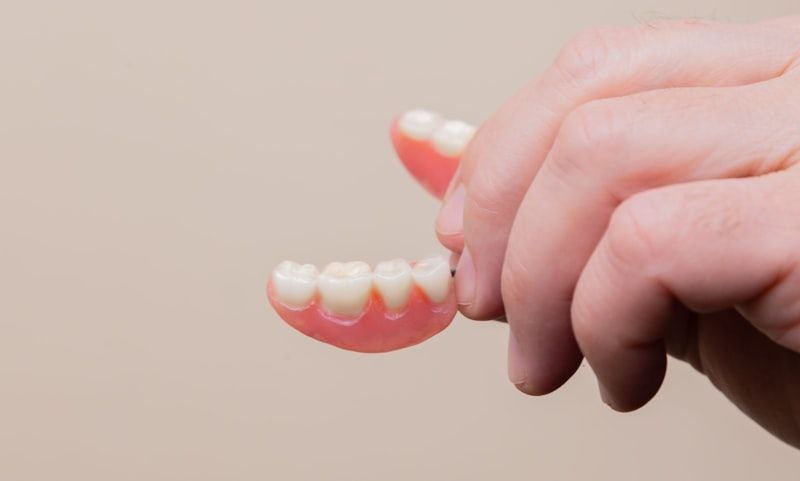
Seniors are one of Cuenca’s prominent expat groups, and dental needs often change with age. Regular checks can prevent issues like root decay around older restorations, gum recession, and ill-fitting dentures. Denture wearers should have routine exams to ensure proper fit and to check for pressure points, bone resorption, or fungal infections such as denture stomatitis.
Dental implants are increasingly common and can offer excellent stability for dentures, but they require careful planning and follow-up. If you’re considering implants, look for a clinic with experience in implant placement and prosthetic restoration and ask about follow-up visits and maintenance.
Children’s dental care: starting early in Cuenca
Early dental visits set the stage for a lifetime of good habits. Bring your child to a dentist when the first tooth appears or by their first birthday. Pediatric dental checkups in Cuenca typically focus on cavity prevention (including fluoride recommendations), diet counseling, and educating parents on cleaning baby teeth and avoiding bottle decay.
If your child attends local schools or daycare, check whether the facility provides oral health information or coordinates with local clinics for preventive programs. Many expat parents find pediatric dentists who are experienced with bilingual approaches and child-friendly offices to make visits more comfortable.
If you’re not fluent in Spanish, prepare a short dental-history note in Spanish that lists allergies, medications, previous major treatments, and any dental anxieties. Many clinics in Cuenca are accustomed to serving international patients and may provide English-speaking staff or translation support. Still, having key information written down can speed appointments and reduce misunderstandings.
Bring a copy of any previous dental X-rays and treatment records if possible — this helps the dentist assess existing work and plan future care. If you have IESS or international insurance, bring your card and understand any pre-authorization requirements for major procedures.
Questions to ask during your appointment
Having a list of questions helps you make informed choices. Ask about the following during your checkup or consultation:
- What is my current oral health status and the most important issue to address?
- What are my treatment options, and what do you recommend first?
- Can you provide a written estimate and timeline for any recommended work?
- What materials will be used, and what are their warranties?
- How do you sterilize instruments, and what infection-control measures are in place?
Dental tourism and major procedures: pros and cons
Many expats in Cuenca take advantage of lower costs for crowns, root canals, veneers, and implant work. The savings can be substantial, but major procedures require careful planning. Look for experienced clinicians, ask to see before-and-after photos, and verify any offered guarantees on prosthetics.
Consider travel logistics: complex cases may require multiple visits and follow-up care. If you plan to return to your home country, ensure there is a clear record of materials used and that the clinic provides comprehensive documentation for continuity of care.
Maintaining continuity of care as an expat
Keeping consistent records and developing a relationship with a local dentist pays off. Save copies of treatment plans, X-rays, and invoices. If you move within Ecuador, ask your dentist for referrals to trusted colleagues in other cities or for records you can share with a new provider.
For long-term expats, consider enrolling in a preventive maintenance plan with a local clinic to lock in routine cleanings and discount rates for larger procedures. This makes scheduling easier and keeps oral health on track.
Closing thoughts: proactive dental care in Cuenca
Regular dental checkups are an investment in overall health, appearance, and financial well-being. For people living in Cuenca — whether newly arrived or long-established — routine visits prevent small issues from becoming emergencies and help preserve a healthy smile as you enjoy life in this beautiful city.
Start by scheduling an initial checkup, gather any prior records, and join local expat conversations to find trusted providers. With routine care, good daily habits, and a reliable dentist nearby, you’ll be well positioned to keep your teeth and gums healthy for years to come.
Quick checklist before your first Cuenca dental visit
- Gather ID, any insurance or IESS card, and previous dental records.
- Prepare a short medical/dental history in Spanish if needed.
- List current medications and allergies.
- Bring questions about treatment options, costs, and sterilization protocols.
- Ask about emergency contact procedures and follow-up care.
Regular checkups keep your smile strong and make living in Cuenca more enjoyable. Book that appointment — prevention pays off.
Adam Elliot Altholtz serves as the Administrator & Patient Coordinator of the “Smilehealth Ecuador Dental Clinic“, along with his fellow Expats’ beloved ‘Dr. No Pain‘, right here in Cuenca, Ecuador, and for purposes of discussing all your Dental needs and questions, is available virtually 24/7 on all 365 days of the year, including holidays. Adam proudly responds to ALL Expat patients from at least 7:00am to 9:00pm Ecuador time, again every single day of the year (and once more even on holidays), when you write to him by email at info@smilehealthecuador.com and also by inquiry submitted on the Dental Clinic’s fully detailed website of www.smilehealthecuador.com for you to visit any time, by day or night. Plus, you can reach Adam directly by WhatsApp at +593 98 392 9606 -or by his US phone number of 1‐(941)‐227‐0114, and the Dental Clinic’s Ecuador phone number for local Expats residing in Cuenca is 07‐410‐8745. ALWAYS, you will receive your full Dental Service in English (NEVER in Spanish), per you as an Expat either living in or desiring to visit Cuenca by your Dental Vacation, plus also to enjoy all of Ecuador’s wonders that are just waiting for you to come arouse and delight your senses.