
Table of Contents
Why regular dental check-ups are more than just a cleaning
Routine dental visits do more than polish teeth and freshen breath. In Cuenca, as anywhere, regular check-ups detect small problems before they become costly, protect your overall health, and are a smart way to get to know trusted local professionals who can help in an emergency. For expats and long-term residents, understanding the rhythm and benefits of preventive dental care will keep you smiling and avoid unnecessary trips back home for treatment.
How often should you see a dentist in Cuenca?
The conventional baseline is a dental exam and cleaning every six months for most people. That schedule lets your dentist monitor changes, remove plaque and tartar that brushing misses, and catch early signs of decay or gum disease. However, individual needs vary:
- Every 3–4 months: If you have active periodontal (gum) disease, frequent cleanings and monitoring help control infection and prevent tooth loss.
- Every 4–6 months: For people with diabetes or other systemic conditions that affect oral health, more frequent visits are often recommended.
- Annually: Low-risk patients with excellent home care and no history of cavities may be able to extend intervals, but that decision is best made with your dentist based on X-rays and exam findings.
What happens during a typical check-up in Cuenca?
Most modern clinics in Cuenca follow a similar routine, which you can expect on your first visit and on regular check-ups:
- Medical and dental history review, including medications and any recent health changes.
- Clinical oral exam: teeth, gums, bite, tongue and soft tissues are inspected for abnormalities, wear, or signs of oral cancer.
- Professional cleaning (prophylaxis): scaling and polishing to remove plaque and tartar buildup.
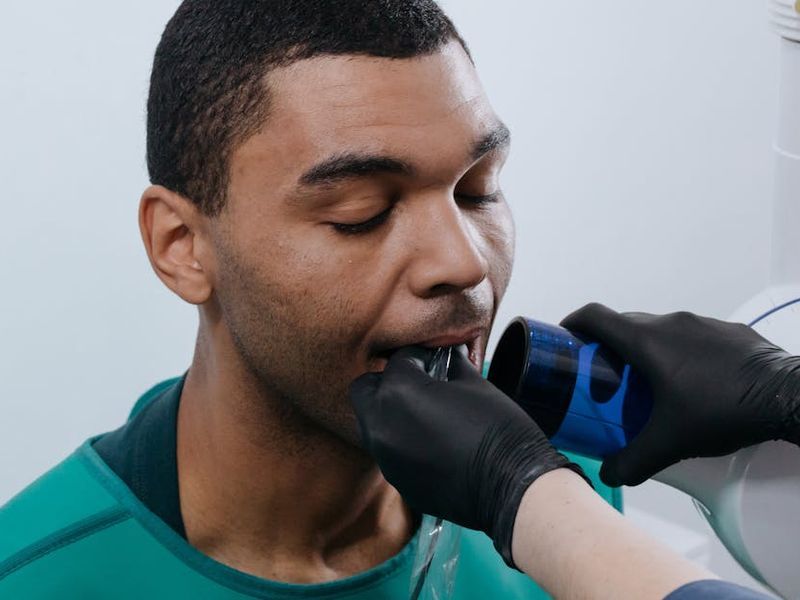
- X-rays if indicated: bitewings for cavities or panoramic films for broader assessment of bone, wisdom teeth or implants.
- Discussing preventive measures: fluoride treatment, sealants for children, or personalized oral hygiene tips.
- Treatment planning: if cavities, cracks, or other issues are found, you’ll get options, costs, and timelines.
Practical benefits: short- and long-term savings
Preventive care saves money and discomfort in the long run. A routine cleaning and small filling are far less expensive and invasive than an extraction, root canal, or crown that might be required if decay goes unchecked. For expats, getting routine care in Cuenca — where dental fees are often lower than in North America or Europe — is a sensible way to maintain oral health while stretching your healthcare budget.
Dental costs in Cuenca: what to expect
Prices vary by clinic, materials used, and the dentist’s experience, but here are approximate ranges you may encounter (USD):
- Regular cleaning and exam: $20–$60
- Composite filling: $30–$120 depending on size and tooth
- Root canal (anterior): $100–$250; molars higher
- Crowns (porcelain or ceramic): $200–$600
- Single implant (excluding crown): $800–$1,500
Note: these are general ranges to help set expectations. Always request a written estimate and ask what materials are used (e.g., lab-made vs. chairside crowns) before proceeding. Ecuador uses the U.S. dollar, making pricing transparent for many expats.
Finding the right dentist in Cuenca
Cuenca has a wide spectrum of dental providers—private clinics, specialist practices, and multi-disciplinary centers. When searching for a dentist, consider these practical tips:
- Location: Many expat-friendly dentists are conveniently located near the historic center or close to larger hospitals. If you prefer daytime convenience, look for clinics near your neighborhood to avoid traffic and parking hassles.
- Language: Ask whether staff speak English if you’re not fluent in Spanish. Many dentists serving the expat community do, but it’s always best to confirm.
- Referrals: Expat groups on Facebook and local forums are great resources for recent patient experiences and recommendations.
- Hygiene standards: Check that the clinic uses autoclaves for sterilization, disposables where appropriate, and follows visible infection-control practices.
- Qualifications and specialties: If you need periodontal therapy, orthodontics, or implants, verify the dentist’s credentials and ask about additional training or specialist affiliations.
Insurance, IESS, and payment options
If you’re employed and contribute to Ecuador’s social security system (IESS), some basic dental services may be covered through your affiliate benefits. Coverage levels vary, so check with IESS or your employer to understand what’s included. Many expats rely on private dental insurance, international plans, or pay out-of-pocket. Most clinics accept cash (USD) and major credit cards; some may offer payment plans for more extensive restorative work. Always ask about financing options upfront to avoid surprises.
Dental emergencies in Cuenca: where to go and what to do
Tooth pain, broken teeth, or knocked-out teeth can be treated quickly if you know the right steps:
- Immediate steps: Rinse the mouth with warm water, apply cold compresses for swelling, and save any broken tooth fragments in milk or saline. For a knocked-out permanent tooth, try to reinsert it if possible and seek care within an hour.
- Emergency care options: Many dental clinics in Cuenca offer urgent appointments or have on-call dentists. Larger medical centers and private hospitals also provide urgent dental services for trauma or severe infections.
- When to go to the ER: If swelling compromises breathing or swallowing, or if there is spreading facial infection and fever, get to an emergency room immediately.
Special considerations for families and older adults
Children and seniors have different dental needs. Pediatric check-ups start early—ideally by the child’s first birthday or when their first tooth appears. Early visits help prevent decay, establish good habits, and allow for fluoride or sealant recommendations.
Older adults may face issues like root decay, dry mouth from medications, and the need for removable or fixed prostheses. Regular visits help manage these problems and ensure dentures or implants are maintained. Many clinics in Cuenca are experienced with full-mouth rehabilitation and geriatric dental care.
Preventive routines that make check-ups easier
Good home care reduces the frequency of restorative work and makes dental appointments quicker and more pleasant. Practical daily habits include:
- Brushing twice a day with fluoride toothpaste for two minutes.
- Daily flossing or using interdental brushes to clean between teeth.
- Using a soft-bristled electric toothbrush if mobility or technique is a concern.
- Limiting sugar-sweetened foods and acidic drinks, especially between meals.
- Quitting tobacco to reduce gum disease, staining, and oral cancer risk.
Cosmetic and elective services: timing your visits
Many expats and locals choose Cuenca for high-quality cosmetic dentistry at competitive prices. If you are planning veneers, whitening, or a smile makeover, schedule a consultation well before a big event. Cosmetic treatments often require multiple visits and careful planning. If you’re combining cosmetic work with a stay in Cuenca, discuss timelines and follow-up care so restorations are completed and stable before you leave.
Dental tourism: pros and cons for expats
Cuenca attracts people who combine travel with dental care because of favorable pricing and experienced clinicians. Benefits include cost savings, the ability to recover in a pleasant setting, and access to modern clinics. However, consider the downsides:
- Complex procedures often require follow-up—make sure your dentist provides a clear maintenance plan if you will return home.
- Material quality varies; ask about warranties, the labs used for crowns, and the materials for implants or prostheses.
- Post-operative complications might be harder to manage once you leave, so prioritize continuity of care or choose a dentist who can coordinate with your home provider.
How to prepare for your first dental visit in Cuenca
Make your first appointment smoother with these practical steps:
- Bring a list of medications, allergies, and your last dental records or X-rays if possible.
- Ask whether language support is available—many clinics accommodate English speakers, but a translation app or friend can help.
- Request a full written estimate for any recommended treatment and an explanation of options (e.g., composite vs. amalgam fillings, crowns vs. onlays).
- Confirm payment methods and whether deposit or payment in full is required for extensive procedures.
Final thoughts: regular visits, local relationships, and peace of mind
Maintaining a routine of regular dental check-ups is one of the most effective investments in your health and well-being—especially when you live abroad. In Cuenca you can find accessible, professional dental services that suit a wide range of budgets and needs. Building a relationship with a local dentist means faster emergency care, personalized preventive advice, and a trusted partner to guide long-term treatments.
Start with a simple exam and cleaning, ask questions about prevention and costs, and prioritize clinics that make you feel comfortable. With the right routine and a reliable dental team in Cuenca, you’ll protect your smile and enjoy the many benefits of good oral health for years to come.