
Table of Contents
Why regular dental check-ups matter — beyond a bright smile
Regular dental visits are about much more than teeth whitening or maintaining a perfect smile. Routine dental care detects problems early, prevents painful emergencies, and helps control systemic health issues like diabetes and heart disease. For expats living in Cuenca, where altitude, diet, and access to healthcare differ from home, a proactive approach to oral health can save money and stress over the long term.
How often should you visit the dentist in Cuenca?
For most healthy adults, the standard recommendation is a dental check-up and professional cleaning every six months. However, frequency should be personalized. If you have gum disease, a history of cavities, dry mouth, or are undergoing orthodontic or implant care, your dentist may suggest visits every 3–4 months. Children and pregnant women often require tailored schedules as well.
Signs you need to see a dentist sooner
- Persistent toothache or sensitivity to hot/cold
- Bleeding, swollen, or receding gums
- Loose teeth, bad breath that doesn’t resolve, or changes in bite
- Pain when chewing, mouth sores that don’t heal within two weeks
- Facial swelling or fever alongside oral pain — these can signal infection and need urgent attention
What to expect at your first dental visit in Cuenca
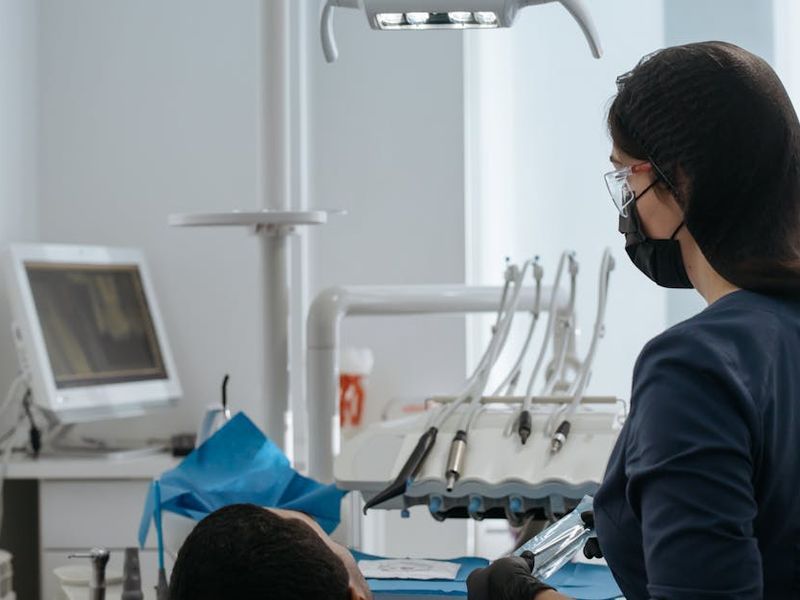
When you visit a dental clinic in Cuenca for the first time, expect an intake that may include a medical history review, intra-oral exam, and x-rays if needed. Many clinics now use digital x-rays for quicker, lower-radiation imaging. The dentist will provide a treatment plan with cost estimates and timelines.
As an expat, bring any dental records or x-rays from your home country on a USB drive or via email. Having prior treatment notes (crowns, root canals, implants) speeds diagnosis and avoids unnecessary duplicate imaging.
Practical costs and what affects price in Cuenca
Dental care in Cuenca is generally more affordable than in North America and Europe, which is why many expats schedule major work here. Typical price ranges (USD) — these are ballpark estimates and vary by clinic and materials:
- Routine cleaning (scaling & polishing): $20–$50
- Fillings (amalgam/compomer/composite): $30–$120
- Root canal (single-root tooth): $100–$300
- Porcelain crown: $200–$500
- Dental implant (fixture + crown): $700–$1,500
- Complete dentures: $200–$700
Prices depend on the clinic’s location (central Cuenca clinics often cost more), the dentist’s training, materials used, and whether specialized lab work is required. Always ask for a written estimate and clarification on whether local anesthetic, x-rays, or follow-up visits are included.
Finding the right dentist in Cuenca: tips for expats
Choosing the right dental provider affects outcomes and your comfort. Use these practical steps to find a dentist who matches your needs:
- Look for credentials: Ask if the dentist is registered with the local professional body (Colegio de Odontólogos de Azuay) and about postgraduate training.
- Ask about language: Many dentists speak conversational English, but confirm this if you prefer to discuss treatment in English. Alternatively, bring a Spanish-speaking friend or use a translation app.
- Check technology: Modern clinics use digital x-rays, sterilization autoclaves, and computerized records. These are worth the slightly higher price.
- Read reviews: Expats often share experiences on Facebook groups, local forums, and Google Maps. Look for consistent praise about communication, pain management, and follow-up care.
- Request guarantees: For larger restorative work (crowns, implants), ask about warranties or follow-up policies in writing.
Where to look
Expats commonly find dentists near El Centro (Parque Calderón), El Vergel, and the northern neighborhoods where many private clinics are located. Larger dental centers around major hospitals can offer specialized services like oral surgery, endodontics, and implantology. Also consider dental school clinics at local universities for lower-cost supervised care.
Emergency dental care in Cuenca
Dental emergencies happen. If you experience severe pain, swelling, uncontrolled bleeding, or a knocked-out tooth, seek care immediately. Many private clinics provide same-day appointments or after-hours emergency numbers. For knocked-out permanent teeth, try to reinsert them gently if possible or keep them in milk or saline and get to a dentist within an hour for the best chance of saving the tooth.
Special populations: children, seniors, pregnancy, and chronic illness
Children should see a dentist by their first birthday or when the first tooth appears; early visits prevent decay and establish a positive dental routine. Schools and pediatric dentists in Cuenca can advise on fluoride and sealants.
Seniors may need help with dry mouth, denture care, and management of medications that affect oral health. Denture relines and regular check-ups are important as jawbones change over time.
Pregnant patients should maintain regular cleanings; many treatments are safe during pregnancy (especially during the second trimester). X-rays are generally avoided unless vital — when necessary, lead aprons are used. If you are diabetic or have a cardiovascular condition, inform your dentist — periodontal disease can worsen these conditions and vice versa.
Preventive habits that work well in Cuenca
Daily habits matter. Practical, local-friendly tips include:
- Brush twice daily with fluoride toothpaste and a soft-bristled brush; consider an electric toothbrush for better plaque removal.
- Floss daily — interdental brushes are great for tight spaces and bridgework.
- Drink water regularly. Cuenca’s elevation (~2,560 meters) can cause dry mouth for some people; staying hydrated helps saliva protect teeth.
- Watch fruit and sugar intake — fresh tropical fruits are healthy but can be acidic; rinse or brush after especially sugary or acidic snacks.
- Use sugar-free chewing gum with xylitol after meals to stimulate saliva when brushing isn’t possible.
- Replace toothbrushes every 3–4 months or sooner if bristles fray.
Communication and cultural tips for smoother dental visits
Dental appointments in Ecuador can be less formal than some expats expect — but that doesn’t mean you shouldn’t be organized. Call or message clinics (many use WhatsApp for bookings) to confirm appointment times. Bring a written list of symptoms in Spanish if your language skills are limited, and ask for a treatment plan and consent form in writing. If you require sedation or complex surgery, confirm pre-op instructions and arrange transportation afterward.
Insurance, payment, and warranty considerations
If you’re employed in Ecuador, your IESS affiliation may cover some basic dental services; check your benefits. Many expats pay out-of-pocket and seek private plans for more comprehensive coverage. For major procedures, request itemized estimates and consider getting a second opinion. Ask clinics about accepted payment methods — most accept cash (USD), bank transfer, and credit cards; some may accept partial payment arrangements for larger cases.
Planning major dental work in Cuenca: timeline and tips
If you’re considering crowns, implants, or orthodontics, plan ahead. Crowns and bridgework typically require two or more visits over weeks, while implants need months for osseointegration. Coordinate with your dentist about temporary restorations and schedule follow-up checks. Expats traveling home should obtain a detailed written treatment report and digital x-rays to share with dentists abroad.
Final checklist for expats’ dental readiness in Cuenca
- Book a comprehensive check-up within 3 months of arrival.
- Bring prior dental records and x-rays on a USB or through email.
- Confirm language compatibility and ask for written estimates.
- Verify sterilization standards and available technology (digital x-rays, autoclave).
- Keep an emergency contact number for after-hours care.
- Maintain daily oral hygiene and visit every 3–12 months as advised.
Conclusion: invest in prevention for peace of mind
Regular dental check-ups are one of the best investments you can make in your health while living in Cuenca. They prevent painful emergencies, protect your general health, and help you make the most of the excellent, affordable dental services available in the city. With a bit of planning — bringing records, choosing a clinic that fits your language and comfort needs, and following simple daily habits — you’ll keep smiling confidently in this beautiful Andean city.