
Table of Contents
Why regular dental check-ups matter more than you think
Routine dental visits are about far more than a sparkling smile. They detect problems early, prevent painful emergencies, protect overall health, and often cost far less than fixing advanced disease. For expats living in Cuenca, maintaining a consistent dental care routine is especially important if you’re adapting to a new diet, juggling local insurance options, or planning travel that may complicate follow-up visits.
How often should you go? Tailoring frequency to your needs
The commonly recommended interval is every six months for a cleaning and exam, but one size doesn’t fit all. Your dentist will consider factors such as your oral health history, gum disease risk, smoking, diabetes, and medication use that affects saliva flow. Typical schedules look like this:
- Everyone generally: a dental exam and cleaning every 6–12 months.
- High caries risk or active gum disease: every 3–4 months.
- Orthodontics, implants, or complex prosthodontics: follow the specialist’s schedule for follow-up visits.
What actually happens during a check-up in Cuenca
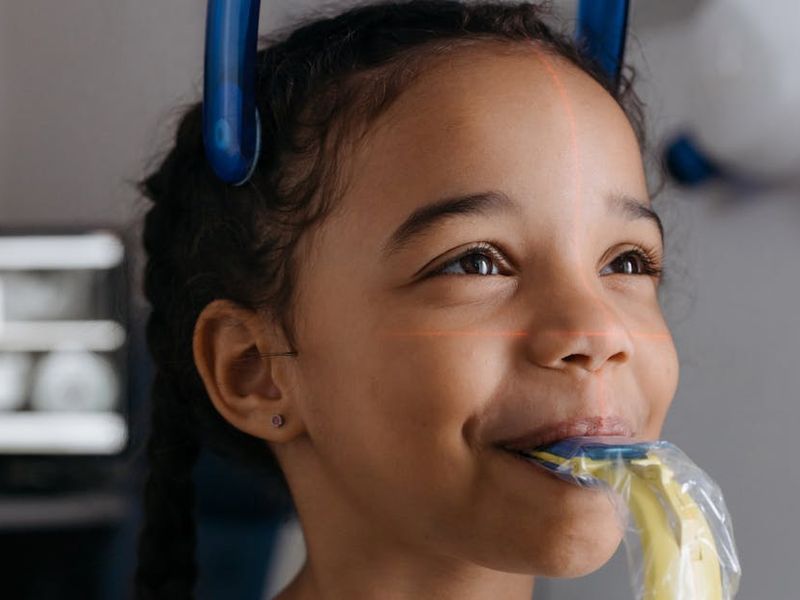
A standard appointment includes a visual exam, periodontal (gum) checks, cleaning (scaling and polishing), and usually bitewing X-rays as needed. Dentists here will also screen for signs of oral cancer and check how your bite and jaw function. Many clinics in Cuenca use modern digital X-rays and can provide bilingual explanations of findings if you request it.
Expect the dentist or hygienist to review your medical history, medications (important if you take blood thinners or have diabetes), and to give personalised home-care advice. If you need restorative work, they’ll explain options, costs, and timelines so you can plan follow-up visits.
Common dental problems among expats in Cuenca — and how check-ups prevent them
Moving to Ecuador often means new foods, fresh tropical fruit juices, and different sweets — all of which can affect your teeth. Expats commonly present with:
- New cavities from increased fruit or sugary beverage intake.
- Gum inflammation from inconsistent oral care during transition periods.
- Tooth sensitivity or cracks from changes in diet or chewing habits.
- Wear from bruxism (teeth grinding), often tied to stress or sleep changes while adjusting to a new life.
Regular check-ups catch early decay, manage gum disease before irreversible damage, and identify bite or jaw issues that can lead to headaches or tooth loss.
Navigating dental care in Cuenca: private clinics, IESS, and insurance tips
Cuenca has a mix of private dental clinics and public options. The private sector often offers faster appointments, more cosmetic services (veneers, whitening), and modern equipment. The public system, including services available through Ecuador’s social security (IESS) for enrolled residents, can provide affordable basic care but may have longer wait times.
Practical tips for expats:
- If you’re enrolled in IESS, check coverage details—some treatments may require referrals.
- Most private clinics accept cash (USD), debit/credit cards, and sometimes bank transfers; ask about payment plans for larger treatments.
- Look for clinics with bilingual staff if your Spanish is limited. Expat Facebook groups and local forums are great places to find recommendations.
Realistic cost ranges in Cuenca (USD): what to expect
Ecuador uses the US dollar, which makes budgeting straightforward for foreign residents. Prices vary by clinic, materials, and the scope of work, but typical ranges in Cuenca are:
- Routine cleaning and exam: $25–$60
- Fillings (composite): $40–$120 per tooth
- Root canal: $80–$250 depending on tooth complexity
- Crown: $250–$700 (depending on material)
- Single dental implant: $800–$1,800
- Professional whitening: $150–$400
Prices are lower than in many North American clinics, but quality and pricing can vary. Ask for a written treatment plan and comparison of materials (e.g., porcelain vs. metal-ceramic crowns) before proceeding.
How to choose a dentist in Cuenca: questions to ask and red flags
Choosing the right dentist will make follow-up and complex treatments much easier. Ask prospective clinics:
- Are you licensed and a member of the local dental association (Colegio de Odontólogos)?
- Do you have experience with international patients and do you speak English?
- Can you show before/after photos of work similar to what I need?
- What warranty or follow-up care do you provide for crowns, implants, and work done in multiple visits?
Red flags include clinics that pressure you into immediate, costly treatments without diagnostics, lack of clear pricing, or poor infection-control practices. A good clinic will give you time to ask questions and will explain alternatives.
Preparing for your first appointment — documents and expectations
Bring any previous dental records or X-rays if available, a list of current medications, and your ID. If you have dental appliances (night guard, removable partial denture), bring them. Many dentists will take new X-rays and photos on the first visit to build a baseline.
Make a list of symptoms and questions before your appointment: Do you have sensitivity? Have you had recent swelling? Which teeth bother you? This helps the clinician focus efficiently, especially if language is a small barrier.
Emergency dental care in Cuenca: when to seek help
Common dental emergencies include severe toothache with swelling, avulsed (knocked-out) teeth, uncontrolled bleeding after extraction, and infections causing facial swelling or fever. If you experience any of these, seek urgent care — infections can spread quickly and require antibiotics and drainage.
Many private clinics provide same-day emergency appointments or can refer you to a hospital dental unit. Keep an emergency contact list of 24-hour clinics or hospitals in Cuenca and know where the nearest pharmacy is for short-term pain management.
Special considerations: children, seniors, and complex care
Children should start dental visits by their first birthday or when the first tooth appears. Early visits help with fluoride guidance and habit counseling (thumb-sucking, nocturnal bottle use) and establish comfort with the dentist.
Seniors need careful monitoring for dry mouth, root caries, and issues with dentures or implants. Medications common in older adults can decrease saliva and raise cavity risk, so more frequent cleanings may be recommended.
If you have prosthodontic needs (crowns, bridges, implants), confirm that the dentist provides the full continuum of care or works closely with specialists (endodontists, oral surgeons) to coordinate treatment planning and follow-up.
Prevention tips that fit Cuenca lifestyle
Prevention is the best investment you can make in your dental health. Small, daily choices add up:
- Brush twice a day with a soft-bristled brush and fluoride toothpaste (look for 1,350–1,500 ppm fluoride).
- Floss or use interdental brushes daily — these reach places your toothbrush can’t.
- Limit sugary snacks and acidic fruit beverages between meals; when enjoying local treats, drink water afterward and wait 30 minutes before brushing to avoid enamel wear.
- Use a night guard if you grind your teeth; dentists in Cuenca can make one from impressions at a modest cost.
Dental tourism and long-term care: balancing cost and continuity
Some expats travel to other countries for major dental work, but there’s value in continuity. Complex treatments like implants and bridgework require follow-up. If you plan to combine care across borders, request detailed treatment notes, models, and radiographs to take home. That makes it easier for local dentists to follow up if needed.
Final checklist for expats: keep your smile on track
- Schedule an initial check-up within your first few months in Cuenca to establish a local dental home.
- Ask about bilingual care, payment options, and realistic timelines for any restorative work.
- Keep a copy of your dental records and a list of medications handy.
- Maintain preventive routines and learn where emergency services are located.
Conclusion: routine care saves time, money, and worry
Regular dental check-ups are the foundation of long-term oral health, especially for expats navigating a new healthcare system in Cuenca. They protect not just your teeth, but your overall health and quality of life. With a few practical steps — choosing a reliable local dentist, scheduling regular visits, and practicing good daily care — you’ll be well-positioned to enjoy Cuenca’s food, culture, and vibrant expat community without letting dental problems interrupt your plans.
Book a check-up, bring your questions, and use the easy access to quality dental care in Cuenca to keep your smile healthy for years to come.