
Table of Contents
Why Routine Dental Check-Ups Matter — Beyond a Bright Smile
Dental check-ups are more than just a teeth-cleaning appointment. Regular visits help prevent small problems from becoming painful, costly procedures. In Cuenca — with its mix of modern private clinics, university dental programs, and public services — staying on top of dental health is both practical and affordable. For expats, routine care means fewer emergencies and a more comfortable life in a new country.
How Often Should You Visit the Dentist in Cuenca?
The general guideline is a check-up every six months for most adults: a cleaning, an exam, and any necessary X-rays. However, individual needs vary. If you have gum disease, frequent cavities, diabetes, or are undergoing orthodontic or prosthetic work, your dentist may recommend visits every three to four months. For children, more frequent check-ins help track development and apply preventive treatments like fluoride or sealants.
Tailor the Frequency to Your Risk
Consider scheduling based on your oral health profile:
- Low risk (good hygiene, no past decay): every 6–12 months
- Moderate risk (past cavities, occasional gum inflammation): every 4–6 months
- High risk (periodontal disease, dry mouth, heavy smoking, diabetes): every 3–4 months
What Happens During a Typical Dental Visit in Cuenca?
Expect a friendly, efficient appointment. Most clinics in Cuenca follow this pattern:
- Initial intake: medical history updates and brief oral health questions.
- Cleaning (profilaxis): scaling and polishing to remove plaque and stains.
- Exam: the dentist checks teeth, gums, bite, and may screen for oral cancer.
- X-rays: digital X-rays are common in private practices and university clinics; they reveal decay between teeth and bone levels.
- Treatment plan: if issues are found, dentists explain options, timelines, and costs.
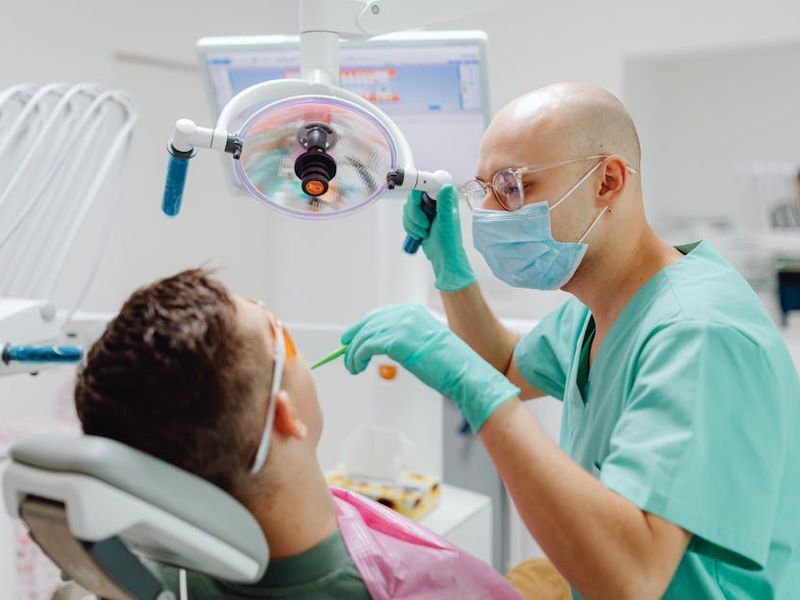
Many Cuenca clinics also document your visit with photos and a digital chart so future dentists have a clear history.
Costs: What to Expect in Cuenca (Approximate and Practical)
Ecuador uses the US dollar, which makes pricing easy for expats. Costs vary by clinic quality, materials, and whether you visit a private practice or a university clinic. Approximate ranges (USD):
- Routine cleaning: $20–$60
- Single filling (composite): $30–$100
- Root canal (endodontic): $150–$450
- Porcelain crown: $200–$600
- Dental implant (including abutment and crown): $800–$2,000
- Tooth extraction: $20–$120 (simple to surgical)
These are estimates; ask for written quotes. University clinics and public hospitals can be significantly less expensive but may have longer waits. Many private clinics offer payment plans, accept credit cards, and have online booking via WhatsApp — a popular local method.
Where to Get Dental Care in Cuenca: Options and Differences
Cuenca offers three main routes to dental care: private clinics, university dental schools, and public health facilities. Each has pros and cons:
- Private clinics: Modern equipment, shorter wait times, multilingual staff in many cases, and higher costs. Ideal for implants, cosmetic work, and complex treatments.
- University clinics: Run by the Universidad de Cuenca and other institutions — lower prices and supervised student care. Excellent for routine procedures and prosthetics at a discount.
- Public healthcare: Government clinics provide basic services with lower fees or sliding scales. Expect longer waits and variable availability for specialized care.
Finding an English-Speaking Dentist
Many expats find English-speaking dentists through community groups like Facebook forums, meetup groups, and local expat associations. When calling a clinic, ask if they have bilingual staff, or take a friend who speaks Spanish. Some clinics advertise “hablamos inglés” on their websites and social media pages.
What to Bring to Your Appointment — Tips for Expats
Preparing for a dental appointment in Cuenca reduces stress and streamlines care. Bring the following:
- Photo ID and insurance card (if applicable)
- List of medications and allergies
- Previous dental records or X-rays (take digital copies on a USB or share via email)
- A short history of dental issues and any pain symptoms
- Cash and/or credit card; ask about accepted payment methods and whether cards incur a surcharge
If you’re new to Ecuador, bringing past dental records helps the dentist assess long-term needs and avoid unnecessary repeats of X-rays.
Common Warning Signs That You Shouldn’t Delay Seeing a Dentist
Some symptoms require prompt evaluation. If you notice any of the following, book an appointment or visit an emergency clinic:
- Persistent toothache or sharp, worsening pain
- Swelling of the gums, face, or jaw
- Loose teeth or sudden changes in bite
- Bleeding gums that don’t stop after gentle brushing or flossing
- Sores in the mouth that don’t heal within two weeks
- Trauma such as a knocked-out tooth — preserve the tooth in milk or saline and seek immediate care
Emergency Dental Care in Cuenca: Quick Steps to Follow
Dental emergencies are manageable with the right response. Here are practical steps before you can reach a clinic:
- Rinse your mouth with warm water to clean the area.
- Control bleeding with clean gauze and gentle pressure.
- Apply a cold compress to reduce swelling.
- If a tooth is avulsed (knocked out), try to reinsert it if possible; otherwise, keep it in milk or saline and get to the dentist within an hour.
- For severe pain, over-the-counter pain relievers like acetaminophen or ibuprofen can help; follow dosing instructions and consult your dentist before combining medications.
Call ahead or message local clinics — many have emergency hours or on-call dentists. Your hotel or local expat community can also direct you to trusted emergency services.
Prevention at Home: Simple Habits That Save Time and Money
Good daily habits dramatically reduce the need for costly procedures. Incorporate these into your routine:
- Brush twice daily with fluoride toothpaste and a soft-bristled brush.
- Floss once daily to remove plaque between teeth where brushes can’t reach.
- Limit sugary snacks and acidic drinks that weaken enamel.
- Use an antimicrobial mouthwash if recommended by your dentist.
- Drink plenty of water; it helps maintain saliva flow and rinses food particles.
If you smoke, quitting is the single most effective step to improve oral health — it lowers the risk of gum disease, tooth loss, and oral cancer.
Children and Seniors: Special Considerations
Families and older adults need tailored dental strategies:
- Children: Early dental visits (by age one or when the first tooth erupts) establish a positive routine. Pediatric dentists in Cuenca offer fluoride varnishes, sealants, and education for parents.
- Seniors: Aging can bring dry mouth, root decay, and prosthetic maintenance. Regular checks help manage medications that affect oral health and maintain dentures or implants.
Cosmetic Dentistry and Prosthetics: What Expats Should Know
Many expats choose Cuenca for cosmetic and restorative work due to good quality care and competitive prices. Popular services include veneers, crowns, bridges, and implants. Before committing:
- Get multiple opinions when possible and ask for before-and-after photos of similar cases.
- Confirm the materials used (e.g., types of porcelain or titanium implants) and ask about warranties or follow-up care.
- Request a timeline: some treatments need several visits spaced weeks apart.
- Consider doing complex work in phases if you have travel plans or limited local support.
Dental Insurance and Payment Strategies
Dental insurance in Ecuador varies. Some private insurers include dental coverage, while international travel or health plans may cover emergencies abroad. Tips for managing costs:
- Compare clinic prices and request detailed estimates for multi-step treatments.
- Ask about installment plans or discounts for paying in cash.
- Check whether your home-country insurance reimburses international dental bills (keep receipts and clinical notes).
How to Choose the Right Dentist in Cuenca
Selecting a dentist you trust makes all the difference. Use this checklist:
- Read online reviews (Google, Facebook expat groups) and ask neighbors for recommendations.
- Look for clinics with modern equipment like digital X-rays and sterilization protocols.
- Confirm licensure: dentists in Ecuador are regulated and should display credentials.
- Schedule a consult visit to evaluate communication, fees, and the clinic environment.
Final Checklist Before Your Next Dental Visit
Keep this short checklist handy:
- Book routine check-ups every 6 months (or as advised).
- Bring medical/dental history and current medications.
- Ask about bilingual staff and emergency procedures.
- Request written estimates for major work and confirm payment methods.
- Maintain daily oral hygiene and watch for warning signs that require urgent care.
Conclusion: Regular Care Pays Off — Especially in Cuenca
Regular dental check-ups protect your health, save money over time, and improve quality of life — whether you’re a lifelong Cuenca resident or a newly arrived expat. The city’s mix of affordable clinics, skilled practitioners, and convenient services makes it easy to prioritize preventive care. Make that appointment, keep your records handy, and enjoy the peace of mind that comes with a healthy smile in the Southern Andes.