
Table of Contents
Why regular dental check-ups matter — more than a bright smile
Regular dental check-ups are about far more than fresh breath and shiny teeth. Routine visits let a dentist detect issues early — cavities, gum disease, oral cancer, and bite problems — before they become painful, expensive, or risky. For people living in Cuenca, consistent dental care also protects overall health: untreated oral infections can worsen diabetes, heart conditions, and pregnancy outcomes. Preventive care is the most cost-effective way to keep your smile and your body healthy.
What usually happens during a dental check-up
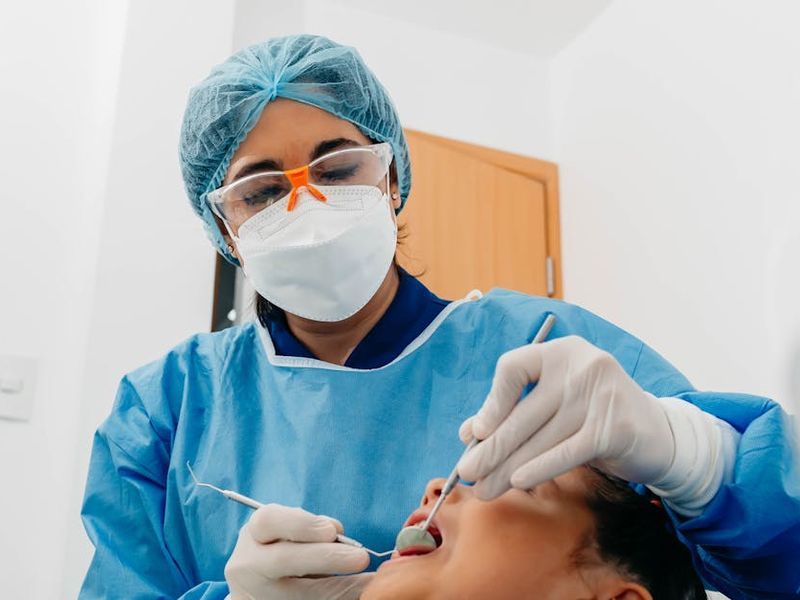
A typical dental visit in Cuenca resembles what you would experience anywhere: a trained dental hygienist or dentist will review your medical history, ask about symptoms, and examine your mouth for loose fillings, decayed teeth, gum health, and signs of oral cancer. Diagnostic X-rays (often digital) may be taken to spot issues below the gum line. The hygienist will perform a professional cleaning — scaling and polishing — and offer personalized home-care advice. If a problem is found, the dentist will outline treatment options and a cost estimate.
Key components to expect
- Medical and dental history review — including medications and chronic illnesses
- Visual exam of teeth, gums, tongue, and oral tissues
- Professional cleaning and removal of plaque/tartar
- Digital X-rays when needed
- Care plan and written estimate for any recommended treatment
How often should you go? Tailor visits to your needs
The classic rule of thumb is a dental check-up every six months. That works well for most people because regular cleanings prevent plaque buildup and let dentists catch changes early. However, individual needs vary:
- Every 3–4 months: People with active periodontal (gum) disease, heavy plaque buildup, or certain medical conditions like diabetes may benefit from more frequent cleanings.
- Every 6 months: Healthy adults with low risk of dental disease.
- Once a year: Some low-risk patients can be seen annually, but this is less common and should be decided with a dentist.
- Children: Pediatric check-ups every 3–6 months depending on cavity risk and fluoride exposure.
Ask your dentist in Cuenca to recommend a personalized schedule. If you notice pain, swelling, persistent bleeding when brushing, or a loose tooth, don’t wait for your next routine appointment — seek care promptly.
Finding the right dentist in Cuenca
Cuenca has a strong reputation for affordable, high-quality dental services, which is one reason many expats choose the city. When selecting a dentist, consider these local tips:
- Neighborhoods: Popular areas for medical and dental clinics include the historic center (El Centro) and the more modern districts around Avenida de las Américas and Avenida España. Choose a location that’s convenient to home or public transportation.
- English-speaking dentists: There are several dentists who speak English, but they may be concentrated near expat neighborhoods. Expat Facebook groups, local community forums, and embassy lists are great places to ask for recommendations.
- Clinic standards: Look for clinics that use digital X-rays, sterilization protocols, and transparent pricing. Many reputable clinics publish before-and-after photos and patient testimonials online.
- Referrals: Word-of-mouth from other expats can be gold. Ask about both dental quality and the clinic’s customer service—appointment scheduling, billing, and follow-up care matter.
Costs and payment in Cuenca — what to expect
One of the advantages of living in Cuenca is that dental care can be significantly cheaper than in the U.S., Canada, or Europe. While prices vary by clinic, some common ranges (USD) you may encounter:
- Routine cleaning: $20–$60
- Filling (composite): $30–$120 per tooth
- Root canal: $100–$400 depending on tooth and complexity
- Porcelain crown: $250–$800
- Implant (implant + crown): $900–$2,000+
Always get a written estimate before treatment. Many clinics accept cash, debit/credit cards, and local bank transfers. If you plan to use private dental insurance from abroad, keep itemized receipts and treatment codes to submit claims. Ecuador’s public social security system (IESS) provides dental coverage for contributors and their dependents, but benefits and wait times vary, so check eligibility and scope of services.
Navigating language, records, and follow-up as an expat
Language can be a hurdle for newcomers. Here are strategies to make dental visits smoother:
- Bring a bilingual friend or hire a translator for your first appointment.
- Use dental forms translated into English if the clinic offers them.
- Ask for treatment plans and cost estimates in writing — this helps avoid misunderstandings.
- Bring prior dental records and X-rays if you have them. Digital copies on a USB drive or via email are often welcome and can avoid duplicate imaging.
- Request dental terminology in plain language — ask the dentist to explain alternatives, risks, and recovery times.
When dental care becomes urgent — common emergencies and quick actions
Knowing when to seek urgent dental help can spare you pain and complications. Typical dental emergencies include:
- Severe toothache or swelling — possible infection
- Knocked-out tooth — immediate reimplantation (if possible) within an hour improves success
- Broken tooth with sharp edges
- Visible abscess or swelling that affects breathing or swallowing
Immediate steps: Rinse the mouth with warm water, gently control bleeding with gauze, and take over-the-counter pain relief if appropriate. If a tooth is knocked out, hold it by the crown (not the root), rinse gently if dirty, and try to place it back in the socket. If that’s not possible, keep it in milk or saliva and see a dentist immediately. For swelling with fever or difficulty breathing, go to an emergency room or urgent dental clinic without delay.
Long-term planning: restorative work and implants in Cuenca
If you need restorative dentistry — crowns, bridges, root canals, or implants — Cuenca offers experienced specialists at a fraction of the price you may pay in North America. However, complex treatments require careful planning:
- Get a second opinion for major work. Many dentists will offer a consult and written plan. Comparing two estimates is wise.
- Ask about materials and warranties. Higher-grade ceramics and implant systems cost more but may last longer.
- Consider staged treatments if you travel often. Some implants require multiple visits months apart for healing.
- Confirm infection control and sterilization standards in the clinic—this is essential for implant success.
Prevention at home: habits that extend the life of dental work
Even excellent dental work lasts longer with good home care. For residents of Cuenca, trial-tested habits include:
- Brush twice daily with fluoride toothpaste for two minutes each time.
- Floss daily or use interdental brushes to remove plaque between teeth.
- Limit sugary snacks and acidic drinks (remember that many tropical fruits are acidic — rinse afterward).
- Use a soft-bristled toothbrush to protect enamel and restorations.
- Wear a nightguard if you grind your teeth, which protects crowns and prevents fractures.
- Maintain regular check-ups and cleanings — preventive visits are far cheaper than repairs.
Dental care for families and special populations
Families and older adults have different dental needs. Pediatric dental visits should start by the first tooth or the child’s first birthday; early visits teach children to accept care and let dentists prevent cavities with sealants and fluoride advice. Seniors, especially those with dentures or chronic conditions, should see a dentist at least twice a year to manage dry mouth, root decay, and gum disease. Pregnant women should tell the dentist about pregnancy — cleanings and most procedures are safe and important for maternal health.
Questions to ask at your first Cuenca dental appointment
Being prepared will help you get the most from your visit. Consider these questions:
- What is my oral health status right now? Any immediate problems?
- How often should I return for cleanings or specialized care?
- What are my treatment options and the pros/cons of each?
- Can you explain the costs and provide a written estimate?
- Do you have patient references or before/after photos of similar treatments?
Final tips for expats: build a dental relationship early
If you’re moving to Cuenca or already living here, prioritize finding a dentist early — even a preventive check-up within the first few months builds a relationship for future care. Keep records (X-rays and treatment notes) in English if possible, and join local expat groups to learn which clinics others trust. With an established dentist and regular check-ups, you’ll enjoy the benefits of Cuenca’s high-quality, affordable dental care while protecting your long-term health and smile.
Regular check-ups are an investment that pays off in comfort, savings, and better health. Whether you need a simple cleaning, emergency care, or major restorative work, Cuenca offers options — and with a little preparation, you can get care that’s professional, affordable, and tailored to your needs.