
Table of Contents
Why regular dental check-ups matter — beyond a pretty smile
Dental check-ups are about much more than removing plaque or brightening teeth. Regular visits detect problems early — cavities, gum disease, infections, even signs of systemic illness — and keep minor issues from becoming costly or painful emergencies. For expats living in Cuenca, where many people are attracted by a slower pace and lower living costs, routine dental care helps you enjoy daily life without unexpected pain, time-consuming travel for treatment, or surprise bills.
How often should you book a dental appointment?
The usual recommendation is a check-up and professional cleaning every six months. This schedule works well for most healthy adults. However, some people need more frequent visits:
- Every 3–4 months: if you have active gum disease (periodontitis), deep pockets, or heavy tartar buildup.
- Every 4–6 months: for smokers, people with diabetes, or those with a history of frequent cavities.
- Annually: for low-risk patients with excellent oral health, though many dentists still advise twice-yearly checks to catch problems early.
- Children: follow pediatric dentist advice — young children often need more frequent monitoring during development and after orthodontic treatments.
What happens during a typical dental check-up in Cuenca?
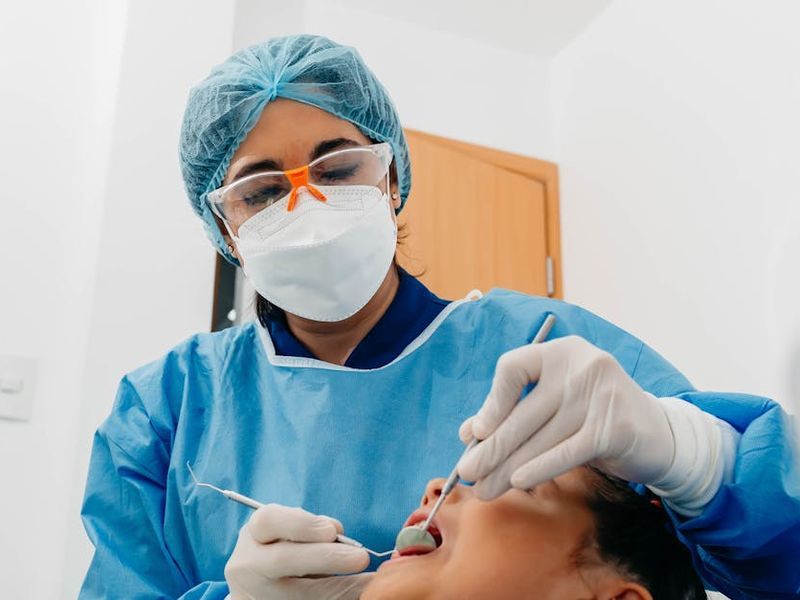
A standard visit includes several components that work together to assess and protect your oral health. Expect:
- Medical and dental history review: dentists will ask about medications, systemic conditions, tobacco and alcohol use, and dental symptoms.
- Clinical exam: a visual and tactile exam of teeth, gums, tongue, cheek lining, and bite. The dentist looks for cavities, worn areas, loose teeth, and signs of oral cancer.
- Professional cleaning (prophylaxis): removal of plaque and tartar above and below the gumline, polishing, and flossing instruction.
- X-rays: bitewings or panoramic images when necessary to find decay between teeth, bone loss, impacted teeth, or hidden infections.
- Periodontal charting: measuring gum pockets if there are signs of gum disease.
- Personalized prevention advice: fluoride treatments, sealants for children, or tailored home-care recommendations.
How to find a reliable dentist in Cuenca
Cuenca has many private dental clinics, university clinics, and specialists who regularly serve both Ecuadorians and the international community. Use these strategies to locate care you can trust:
- Ask other expats: Facebook groups, expat forums, and local meetups are excellent sources of recent, real-world recommendations.
- Check online reviews: Google Maps and Facebook pages often show patient photos and comments. Look for consistent messages about cleanliness, pricing transparency, and follow-up care.
- Visit the clinic: a quick in-person visit lets you see hygiene standards, observe sterilization practices, and assess staff friendliness. Clean, modern clinics usually indicate high standards.
- Ask about credentials: look for dentists who are members of Ecuador’s professional associations and, if relevant, specialists with clear training in implants, endodontics, or periodontics.
- Consider university clinics: dental schools associated with universities often provide quality care at reduced rates under supervised training — a good option for routine work or more budget-conscious expats.
Costs and payment tips for expats
One reason many expats choose Cuenca is the lower cost of dental care compared with North America and Europe. While costs vary by clinic and procedure, general patterns include:
- Routine cleaning and exam: often a fraction of the cost in the U.S.; expect competitive pricing but always confirm on intake.
- Restorative treatments (fillings, crowns, root canals): often significantly cheaper, with quality materials and modern techniques commonly available.
- Major work (implants, full-mouth rehab): attractive price points can make Cuenca a destination for comprehensive treatment, but plan for multiple visits and reliable follow-up.
Tips:
- Request written estimates and treatment timelines before starting major work.
- Ask about warranties or guarantees — many dentists in Ecuador provide limited warranties on crowns and prosthetics.
- Be prepared to pay by cash or card; confirm accepted payment methods and whether a deposit is required for extensive treatments.
Language and cultural tips for expats
Many dentists in central Cuenca and areas popular with foreigners (El Centro, San Sebastián, and near Parque Calderón) speak at least conversational English. Still, it’s smart to prepare:
- Bring your records translated (or at least an outline) of your dental history and current medications.
- Learn simple dental terms in Spanish (e.g., “dolor” for pain, “sangrado” for bleeding, “muela” for molar) to help during consultations.
- Use translator apps or bring a bilingual friend for complex treatment planning conversations.
What to do in a dental emergency in Cuenca
Common dental emergencies include severe pain, swelling, uncontrolled bleeding, knocked-out teeth, and infected abscesses. Immediate steps you can take:
- Severe pain or swelling: rinse with warm salt water, take over-the-counter pain relievers like ibuprofen if appropriate, and seek urgent dental care — some private clinics offer same-day emergency appointments.
- Knocked-out tooth (avulsed): handle by the crown, not the root; rinse gently, keep the tooth in milk or your mouth (between cheek and gums) if possible, and get to a dentist immediately — reimplantation is most successful within an hour.
- Infection with fever or facial swelling: treat as urgent — infections can spread quickly. Antibiotics may be necessary alongside dental treatment.
Identify a clinic ahead of time for emergencies and save their phone number. Hospitals with dental modules and private emergency dental clinics are options — check with your neighborhood clinic or expat groups for recommendations.
Special considerations for older adults and retirees
Cuenca is a popular retirement destination, and older adults have specific dental needs. Common issues include dry mouth from medications, gum recession, root decay, and the need for prosthetics or implant-supported dentures. When planning dental care as a retiree:
- Review medication lists with your dentist — many prescription drugs reduce saliva and increase decay risk.
- Discuss implant options thoughtfully: they can restore function and comfort, but consider bone health, systemic conditions, and follow-up needs.
- Ask about chair-side accommodations for mobility issues and whether clinics have easy access for people with limited movement.
How to maintain oral health between visits — simple, effective routines
Daily habits are the strongest defense against dental problems. Practical, evidence-based steps you can use right now:
- Brush twice daily with a fluoride toothpaste (at least 1,000–1,450 ppm fluoride). Use a soft-bristled brush and replace it every 3 months or after illness.
- Floss daily or use interdental brushes to remove plaque between teeth where a toothbrush can’t reach.
- Consider an antimicrobial mouthwash if recommended by your dentist, especially if you have gum disease.
- Limit sugary foods and drinks; choose water and fiber-rich snacks like fruits and vegetables.
- Use sugar-free gum (xylitol) after meals when brushing isn’t possible — it stimulates saliva and helps neutralize acids.
- Avoid tobacco and excessive alcohol — both increase risks of periodontal disease and oral cancer.
Pediatric dental care and preventive steps for families
If you have children, early check-ups set the stage for lifelong oral health. Pediatric dentists or family dentists can:
- Monitor tooth eruption and jaw development.
- Apply fluoride varnishes and sealants to reduce decay risk on molars.
- Teach effective brushing habits and safe use of dental products.
Start dental visits by the child’s first birthday or when the first tooth appears, and maintain regular appointments as recommended by the dentist.
When restorative or cosmetic work is needed — planning ahead
Whether you need a crown, root canal, implant, or cosmetic improvement, plan carefully:
- Get a thorough assessment and written treatment plan, including alternative options and timelines.
- Ask about materials used (e.g., porcelain vs. metal-based crowns) and the expected lifespan of restorations.
- Consider follow-up care — if you plan to travel outside Cuenca, arrange follow-up appointments before big procedures or choose a clinic with clear aftercare instructions and communication channels.
Final checklist: preparing for your first dental visit in Cuenca
- Bring a list of current medications and any relevant medical records.
- Bring prior dental x-rays if possible — they speed diagnosis and may prevent duplicate imaging.
- Have a translator or prepare keywords in Spanish for comfort and clarity.
- Ask for a written estimate and treatment timeline for any work beyond a routine check-up.
- Save the clinic’s emergency contact and keep it handy on your phone.
Conclusion: small steps, big benefits
Regular dental check-ups in Cuenca are an investment in comfort, confidence, and long-term health. Whether you’re a long-term expat or a recent arrival, building a relationship with a trusted local dentist gives you access to prevention, prompt care for problems, and the peace of mind to enjoy life in this beautiful city. With simple daily habits, smart planning, and local resources, you can keep your smile healthy and thriving in Cuenca for years to come.