
Table of Contents
Why regular dental check-ups matter—beyond a bright smile
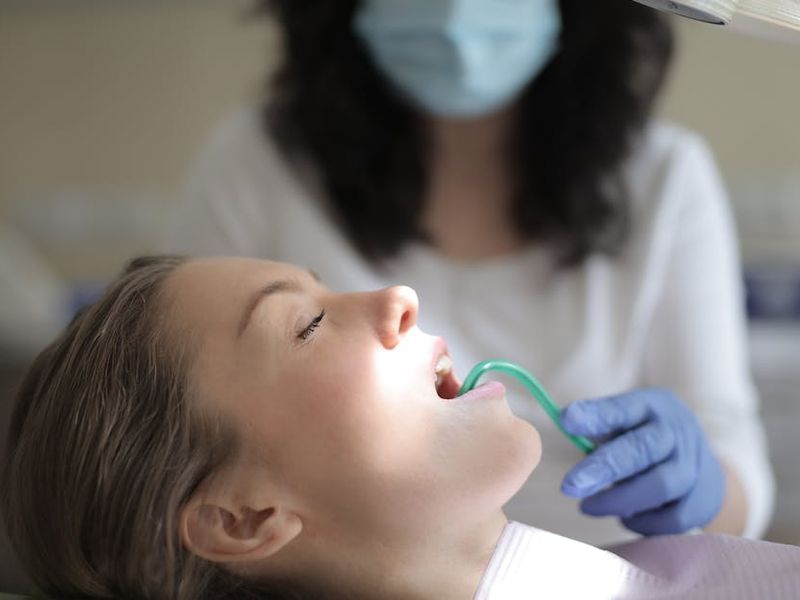
Regular dental check-ups do much more than polish your teeth. They are a first line of defense against cavities, gum disease, and oral cancer. For expats in Cuenca, keeping up with routine dental care is also a way to avoid costly emergency treatments, protect long-term dental work like crowns and implants, and maintain overall health—because oral infections can influence heart disease, diabetes control, and pregnancy outcomes.
How often should you see a dentist in Cuenca?
The classic answer is every six months for preventive cleaning and a quick exam. However, the right schedule depends on your personal risk factors:
- Low-risk adults (good oral hygiene, no history of gum disease): exam and cleaning every 6–12 months.
- People with gum disease, dry mouth, heavy tartar build-up, or systemic conditions (diabetes, autoimmune disease): recall every 3–4 months for periodontal maintenance.
- Children: a first visit by age 1 or when the first tooth erupts, then every 3–6 months as recommended by the pediatric dentist.
- After restorative work (crowns, implants, bridges): follow-up visits as instructed—often at 3–6 month intervals initially, then twice-yearly checks.
When you first arrive in Cuenca, schedule a comprehensive exam and bitewing X-rays. That establishes a baseline and helps a new dentist spot changes later.
What happens during a routine visit?
A standard check-up in Cuenca typically includes:
- A review of your medical history and any medications.
- An oral exam for cavities, gum health, and signs of oral cancer.
- Professional cleaning (scaling and polishing) to remove plaque and tartar.
- X-rays if needed—usually every 1–3 years depending on risk and symptoms.
- Advice on home care (toothbrush technique, interdental cleaning, and fluoride use).
If the dentist sees a problem, they’ll recommend a treatment plan and estimate. Don’t be afraid to ask for the full breakdown and a written presupuesto (estimate).
Finding dental care in Cuenca: public vs private options
Cuenca offers a range of dental care choices—public clinics, private practices, and specialty centers. Here’s how they compare:
- IESS/public clinics: The Ecuadorian Social Security Institute (IESS) provides dental care to contributors and pensioners. Services can be low-cost or included in your coverage, but wait times and the range of procedures may be limited. If you’re covered by IESS, it’s worth checking what’s included—especially for routine cleanings and basic fillings.
- Private clinics: These are widespread across El Centro Histórico, near Parque Calderón, and in neighborhoods with many expat residents. Private dentists often offer more flexible hours, English-speaking staff, and modern equipment.
- Specialty centers: For implants, orthodontics, or complex endodontic work, Cuenca has specialists and dental labs that work with local prosthodontists. For very complex cases, some expats travel to Quito or Guayaquil, but many procedures can be handled locally.
Typical costs and payment tips for expats
Prices in Cuenca are generally lower than in North America or Europe, but they vary by clinic and materials used. As a rough guide (prices fluctuate, ask for a current estimate):
- Consultation and cleaning: $20–$50
- Filling (composite): $30–$90 depending on size and tooth
- Root canal: $150–$400 depending on the tooth and retreatment needs
- Porcelain crown: $200–$600 (lab materials and implant abutments may add cost)
- Single tooth implant: $800–$1,500 (site preparation and bone grafts add to price)
Most private clinics accept cash and credit cards; ask for a factura if you plan to claim costs with insurance. If you have international health or dental insurance, check in advance whether your policy will reimburse services provided in Ecuador.
Language and communication tips for expats
If your Spanish is limited, there are practical ways to make dental visits smoother:
- Search Facebook groups like “Expats in Cuenca” or community forums for recommendations of English-speaking dentists.
- Bring a list of Spanish dental terms: limpieza (cleaning), empaste (filling), endodoncia (root canal), corona (crown), implante (implant).
- Use a translation app during the consultation, and request written instructions or consent forms if available.
- Ask for a detailed presupuesto before treatment begins so you can compare options and materials.
Preventive practices that reduce dental visits
Prevention is especially valuable if you’re new to Ecuador and want to avoid emergency trips. Simple habits make a big difference:
- Brush twice a day with fluoride toothpaste and replace brushes every 3 months.
- Floss daily or use interdental brushes—these remove the plaque your bristles can’t reach.
- Limit sugary drinks and sticky sweets; local fruits are healthy but consume high-sugar treats in moderation.
- Use a mouthwash if recommended; ask your dentist about fluoride rinses if you have a high risk of decay.
- Quit smoking—smoking increases gum disease risk and slows healing after procedures.
Handling dental emergencies in Cuenca
Tooth emergencies happen—often at inconvenient times. For urgent issues like severe pain, swelling, a broken tooth, or uncontrolled bleeding:
- Call 911 for severe swelling affecting breathing or very traumatic injuries.
- Many dental clinics in Cuenca offer emergency slots or can refer you to an after-hours service. Ask your regular dentist for emergency contact details when you sign up.
- Temporary measures: rinse with warm saltwater, use over-the-counter pain relief within dosing guidelines, and apply cold packs for swelling. Avoid placing aspirin against the gum—this can cause tissue damage.
For a knocked-out permanent tooth, keep it moist (preferably in milk or saline) and see a dentist immediately—success for reimplantation drops rapidly after an hour.
What to expect with restorative and cosmetic dentistry
If you need crowns, implants, or dentures, Cuenca has skilled prosthetic labs and technicians. A few tips when planning restorative work:
- Ask about materials—porcelain, zirconia, or metal-ceramic—each has cost and longevity differences.
- Request photographs and an explanation of the workflow: impressions, temporary crowns, lab fabrication, and final seating.
- Plan for multiple visits over weeks; factor in healing time for implants and possible bone grafts.
- Consider getting a second opinion for complex or expensive treatments, and ask for references or before/after photos.
Oral health for seniors and denture wearers
Many expats in Cuenca are retirees; dental care needs change with age. Tissue changes, dry mouth from medications, and slower healing can increase dental risk. Regular check-ups help detect bone loss, denture fit issues, and oral lesions early.
If you wear dentures, see a dentist at least once a year to check fit and function. Ill-fitting dentures can cause sore spots, infections, and difficulty eating.
Children’s dental care: building good habits early
Children benefit from early, friendly dental visits. Fluoride treatments, sealants, and parental guidance on brushing can prevent cavities that affect overall health and school performance. Local pediatric dentists in Cuenca are used to working with international families and can advise on diet, thumb-sucking, and orthodontic timelines.
Antibiotics, painkillers, and safe medication use
Dental infections sometimes require antibiotics, but they should be used only under the dentist’s guidance. Avoid self-medicating—common antibiotics and painkillers have interactions with other medications and medical conditions. If you take blood thinners or have heart conditions, inform your dentist before any procedure.
How to choose the right dentist in Cuenca
Choosing a dentist is about trust and comfort as much as price. Consider these factors:
- Credentials and experience—ask about postgraduate training for specialized procedures.
- Clinic cleanliness and modern equipment—digital X-rays, sterilization practices.
- Communication—does the dentist explain options and risks in a way you understand?
- Recommendations from other expats and online reviews—look for consistent praise on punctuality and honest pricing.
- Location and hours—choose a clinic you can reach quickly in an emergency, and one with hours that fit your schedule.
Moving to Cuenca? Bring your dental records
If you’re relocating to Cuenca, ask your previous dentist for a copy of your dental records and recent X-rays. These help a new dentist assess past treatments and plan care without repeating tests.
Final thoughts: make dental care part of your Cuenca routine
For expats, integrating dental check-ups into your routine life in Cuenca prevents small annoyances from becoming big problems. Regular visits save money in the long run, keep you comfortable eating the delicious food Ecuador offers, and protect your general health. Schedule a baseline exam when you arrive, find a dentist you trust, and keep up with preventive care—your future smile will thank you.
Practical checklist before your next visit: check your IESS coverage (if applicable), bring a list of medications, ask for an English-speaking appointment if needed, get a written presupuesto for treatments, and keep emergency contact info handy. With these simple steps, dental care in Cuenca can be straightforward, affordable, and reassuring.
Adam Elliot Altholtz serves as the Administrator & Patient Coordinator of the “Smilehealth Ecuador Dental Clinic“, along with his fellow Expats’ beloved ‘Dr. No Pain‘, right here in Cuenca, Ecuador, and for purposes of discussing all your Dental needs and questions, is available virtually 24/7 on all 365 days of the year, including holidays. Adam proudly responds to ALL Expat patients from at least 7:00am to 9:00pm Ecuador time, again every single day of the year (and once more even on holidays), when you write to him by email at info@smilehealthecuador.com and also by inquiry submitted on the Dental Clinic’s fully detailed website of www.smilehealthecuador.com for you to visit any time, by day or night. Plus, you can reach Adam directly by WhatsApp at +593 98 392 9606 -or by his US phone number of 1‐(941)‐227‐0114, and the Dental Clinic’s Ecuador phone number for local Expats residing in Cuenca is 07‐410‐8745. ALWAYS, you will receive your full Dental Service in English (NEVER in Spanish), per you as an Expat either living in or desiring to visit Cuenca by your Dental Vacation, plus also to enjoy all of Ecuador’s wonders that are just waiting for you to come arouse and delight your senses.