
Table of Contents
Why regular dental check-ups matter — beyond a bright smile
For many expats in Cuenca the first months are filled with new routines, cobblestone walks and delicious local foods. Dental care sometimes slips down the list, but regular dental check-ups are one of the best investments in your long-term health. A dentist does more than polish your teeth: routine visits uncover early cavities, spot gum disease, screen for oral cancer and identify signs of systemic illness such as diabetes or vitamin deficiencies.
Studies link untreated oral disease to higher risks of cardiovascular problems, poor diabetes control and pregnancy complications. That makes preventive care — cleanings, exams and timely repairs — an essential part of staying healthy in Ecuador as an expat.
How often should you see a dentist in Cuenca?
The classic advice is every six months for a check-up and professional cleaning. For most adults that schedule balances plaque control with early detection. However, one-size-fits-all doesn’t apply: your dentist will recommend intervals based on your oral health.
- Every six months: routine check, cleaning and fluoride polish for healthy mouths.
- Every 3–4 months: people with moderate to advanced gum disease (periodontitis) or heavy plaque buildup.
- More frequently during pregnancy or after major dental work: to monitor healing and address sensitivity or infections.
- As needed for dental emergencies, sudden pain, swelling, or trauma.
What actually happens during a check-up?
Understanding the flow of a typical visit eases anxiety and helps you make the most of your appointment. A standard dental check-up in Cuenca usually includes:
- Medical and dental history review — important for tailoring care if you’re diabetic, pregnant, or on regular medications.
- Oral exam — visual and tactile inspection of teeth, gums, tongue, palate and throat for abnormalities.
- Digital X-rays if needed — to detect cavities between teeth, bone loss, impacted teeth or old root canal issues.
- Professional cleaning (prophylaxis) — scaling to remove plaque and tartar, polishing and applying fluoride if indicated.
- Periodontal charting — measuring gum pockets if gum disease is suspected.
- Personalized plan — recommendations for fillings, crowns, deep cleanings or specialist referrals.
Preparing for your first dental visit in Cuenca
Before you walk into a clinic, gather a few items that make the appointment smoother. Bring an official ID, any dental records from your previous dentist, a list of medications and known allergies, and your insurance or payment method. If you don’t speak Spanish fluently, ask whether the clinic has a bilingual receptionist or dentist — WhatsApp communication is common and many clinics respond quickly that way.
Prepare a short list of symptoms and questions: “Do I need X-rays?” “How often should I return?” “What preventative steps can I take at home?” Writing them down helps you cover everything during a typically 30–45 minute visit.
Cuenca-specific considerations for expats
Life in Cuenca has local factors that can influence oral health. The city sits at roughly 2,500 meters elevation; some newcomers notice dry mouth with altitude adjustment, which can increase cavity risk because saliva naturally protects teeth. Also, many expats and locals use bottled water — fluoride levels vary in Ecuador’s water supply — so ask your dentist whether you’d benefit from supplemental fluoride treatments.
Dietary changes can be subtle but meaningful to your teeth. Traditional Ecuadorian sweets, fruit juices and soft drinks are delicious but can raise cavity risk if consumed frequently. Additionally, cold evenings and hot drinks may exacerbate tooth sensitivity if enamel is thin or gums recede.
Finding the right dentist in Cuenca
Choosing a dentist you trust is more than picking the closest office. Here are practical ways to find a good match:
- Ask local expat groups and forums — groups like Cuenca expat networks, Facebook communities and online forums often share up-to-date clinic recommendations.
- Check credentials — look for a dentist registered with the Colegio de Odontólogos (Ecuador’s dental association) and ask about postgraduate training in crowns, endodontics or implants if you need specialized care.
- Visit the clinic — check cleanliness, modern equipment like digital X-rays, and whether staff use single-use or properly sterilized instruments.
- Language and communication — confirm if someone speaks English or if the dentist explains treatment and costs clearly. Basic Spanish phrases to know: “¿Cuánto cuesta la consulta?” (How much is the consultation?) and “¿Aceptan tarjeta?” (Do you accept cards?)
- Read reviews — Google reviews, Facebook and expat testimonials can reveal common experiences and long-term follow-up quality.
Costs, insurance and public options
Ecuador uses the U.S. dollar, which simplifies budgeting for many expats. Private dentistry is typically more affordable here than in North America or Europe, but prices vary widely by clinic and the complexity of treatment. Simple exams and cleanings can be modestly priced; restorations, crowns and implants command higher fees. Ask for a written estimate before any major procedure.
If you’re enrolled in IESS (Instituto Ecuatoriano de Seguridad Social) you may access dental services through their network, often with reduced fees. The Ministry of Public Health (MSP) also runs clinics offering low-cost or free dental care in many cantons. These public options are useful for routine services but may involve longer waits and more limited treatment choices compared to private clinics.
Common dental problems expats report — and how to avoid them
Newcomers in Cuenca frequently present with a few predictable issues. Recognizing warning signs early saves money and discomfort:
- Cavities — often from increased sugary beverages or fruit juices. Prevention: reduce snacking, rinse with water after sweet drinks, use fluoride toothpaste.
- Gum disease — early signs include bleeding when brushing, persistent bad breath or gum recession. Prevention: twice-daily brushing, interdental cleaning and professional scaling as recommended.
- Sensitivity — hot/cold sensitivity can indicate enamel loss or exposed root surfaces. Try desensitizing toothpaste and see a dentist for diagnosis.
- Toothwear from grinding (bruxism) — stress or new sleeping environments can trigger grinding. A night guard made by your dentist protects teeth.
Dealing with dental emergencies in Cuenca
Accidents happen — a chipped tooth, a lost filling or sudden toothache can be painful. Know where to go:
- Contact your regular dentist first — many clinics reserve emergency slots or can advise temporary measures over the phone or WhatsApp.
- After-hours options — some private clinics offer emergency services; hospitals will treat severe infections or trauma.
- Immediate at-home relief — rinse with warm salt water, take OTC pain relievers (ibuprofen unless contraindicated), apply a clove oil cotton ball for confined tooth pain and preserve any broken tooth piece in milk or saline for possible reattachment.
Don’t delay seeking professional care for swelling, fever, difficulty breathing/swallowing or spreading facial infection — these can be life-threatening and require urgent attention.
Special populations: children, seniors and medically complex patients
Children: Start dental visits by the first birthday or when the first tooth erupts. Pediatric dentists in Cuenca can help with sealants, fluoride varnish and guidance on bottle-feeding and sugar exposure.
Seniors: Older adults face increased risk of dry mouth (from medications), root decay and denture-related issues. Regular checks preserve remaining natural teeth and ensure dentures fit properly.
Medically complex patients: If you have diabetes, cardiovascular disease or are undergoing cancer therapy, coordinate with your medical providers and inform your dentist — oral infections can complicate systemic conditions and timing of dental work may require medical clearance.
Dental tourism and restorative care — pros and cautions
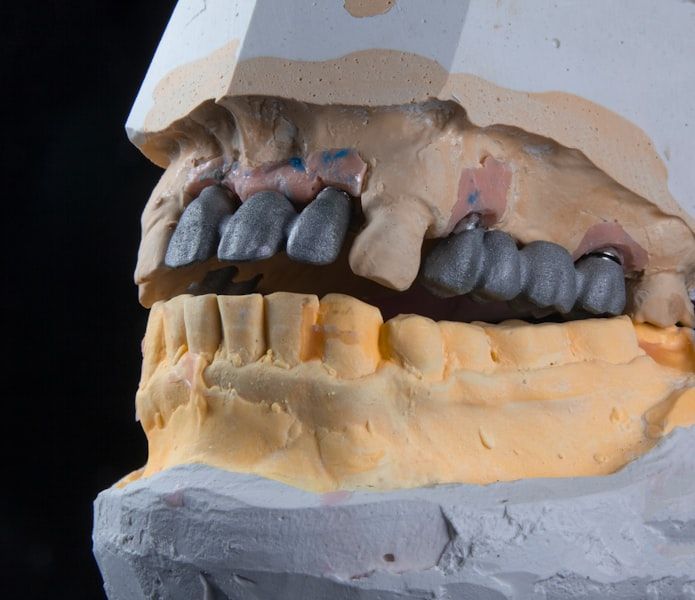
Many expats choose Cuenca for long-term dental work like crowns, bridges and implants due to favorable prices and skilled practitioners. Advantages include lower cost, shorter waiting times and the ability to combine treatment with travel. However, consider these factors:
- Quality of materials and warranties — ask about the brand of implants or crowns and whether the clinic offers post-op follow-up or adjustments.
- Timeframe — implants and some restorations require multiple visits spaced over months. Plan travel and accommodation accordingly.
- Post-procedure care — ensure you have a local dentist for ongoing maintenance or emergency adjustments after you return home.
- Get a detailed written treatment plan and guarantee terms before major work begins.
Daily care between visits — practical tips
Routine home care is the foundation of fewer dental visits and better outcomes. Try these practical habits tailored to life in Cuenca:
- Brush twice daily with a fluoride toothpaste for two minutes each time.
- Use interdental brushes or floss daily — many Ecuadorian pharmacies sell a wide range of interdental options.
- Rinse occasionally with an alcohol-free antiseptic mouthwash if you have gum inflammation.
- Limit sticky sweets and sip sugary drinks with meals rather than frequently throughout the day.
- Drink plenty of water to counteract dry mouth; consider a humidifier in the bedroom if the air feels dry.
Final checklist for expats: building a relationship with your Cuenca dentist
Having an established dentist in Cuenca makes life easier and keeps your dental health on track. Before your first appointment, aim to complete this checklist:
- Collect and bring prior dental records or X-rays.
- Confirm language options or bring a translator if needed.
- Clarify payment methods, price estimates and warranty policies for major procedures.
- Ask about emergency procedures and weekend availability.
- Schedule a follow-up visit before leaving the clinic — many practices keep appointment slots months in advance.
Regular dental check-ups are small commitments with big payoffs. For expats in Cuenca, proactive oral care preserves your smile, prevents costly treatments down the road and connects you to local health services that make life here easier. Whether you’re a newcomer or a long-term resident, pick a trusted dental practice, keep up with scheduled cleanings and treat dental issues early — your future self will thank you.