
Table of Contents
Why regular dental check-ups matter — beyond just a bright smile
Routine dental visits do more than keep your teeth white. Regular exams and cleanings intercept small problems before they become painful, expensive procedures. In Cuenca, where a mix of modern clinics and traditional practices coexist, keeping up with preventive care improves your general health, protects your budget, and helps avoid emergency trips after hours.
Dental disease is linked to systemic conditions like diabetes, heart disease, and pregnancy complications. For expats and locals alike, a predictable schedule of preventive care reduces the risk of infections, improves chewing and nutrition, and boosts confidence in social and professional situations.
When should you schedule a check-up?
How often you should see the dentist depends on your oral health, medical conditions, and lifestyle. These are common guidelines that most dentists in Cuenca follow:
- Every six months — a standard recommendation for routine cleaning and exam for people with healthy gums and teeth.
- Every three to four months — for people with gum disease (periodontitis), heavy tartar build-up, or high caries risk.
- During pregnancy — at least one check-up during pregnancy is wise; gums can become more inflamed and cavities may develop faster.
- If you have diabetes — more frequent visits help manage gum disease, which is more common and more severe when blood sugar is uncontrolled.
- Children — start dental visits by the first birthday or when the first tooth erupts; typically every six months after that.
- Orthodontics, implants or prosthetics — follow a schedule recommended by the treating dentist or specialist, which often means more frequent monitoring.
Signs you shouldn’t wait for your next check-up
- Persistent tooth pain or sensitivity
- Loose tooth or dental work
- Visible swelling, facial swelling, or pus
- Excessive or persistent bleeding when brushing
- Trauma: cracked, broken or knocked-out tooth
What to expect during a dental appointment in Cuenca
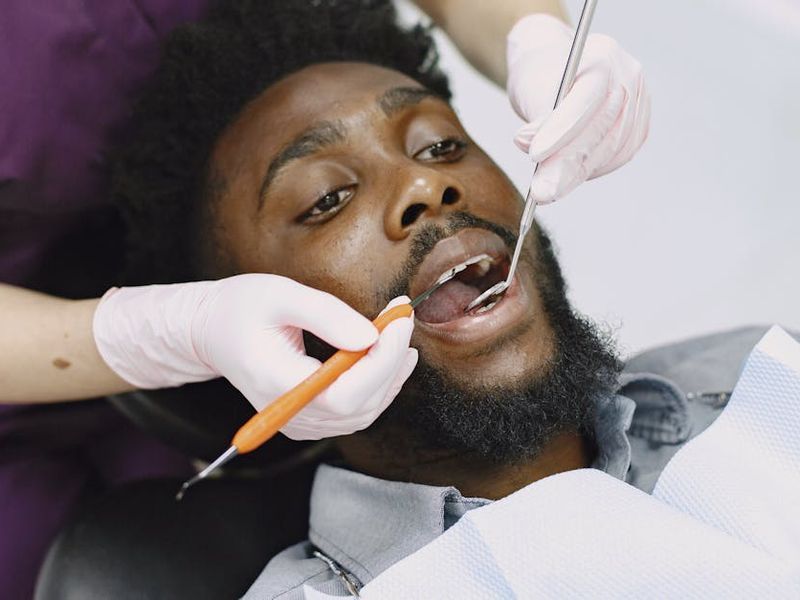
Most private clinics in Cuenca follow modern protocols similar to those in North America or Europe. A typical six-month visit includes:
- Medical and dental history update — mention any medications, chronic conditions, or recent illness.
- Oral exam — visual and tactile examination of teeth, gums, tongue, and soft tissues.
- Professional cleaning (prophylaxis) — plaque and tartar removal, polishing, and advice on technique.
- Digital X-rays — often taken annually or as needed to detect hidden decay, bone loss, or issues under restorations.
- Preventive treatments — fluoride varnish, sealants for children, or topical antiseptics for gum disease.
- Personalized treatment plan — if cavities, broken fillings, or gum disease are found, the dentist will outline options and costs.
Many clinics accept walk-ins for simple issues, but scheduling by phone or WhatsApp is common and often preferred. Expect clear explanations and a written estimate for any recommended work.
Choosing the right dentist in Cuenca
Cuenca has a large community of private dental practices, many clustered in neighborhoods such as El Centro, Parque Calderón, El Vergel, and along Avenida de las Américas. When selecting a dentist, consider these practical tips:
- Check credentials — ask whether the dentist is registered with the regional dental association (Colegio de Odontólogos de Azuay) and confirm their specialty training if you need specialist care (endodontics, periodontics, prosthodontics, oral surgery).
- Observe infection control — look for disposable barriers, sealed instrument trays, and visible autoclave certificates in the clinic. Sterilization standards vary, so ask when unsure.
- Read reviews and ask expat peers — English-speaking expat Facebook groups and local forums are excellent sources of referrals.
- Ask about lab work — crowns and dentures are often crafted in local dental laboratories; ask where the lab is and whether the clinic provides warranties on work.
- Language and communication — many dentists in Cuenca speak some English; request an English-speaking assistant or translator if needed. Clear communication about materials, alternatives, and follow-up is crucial.
Costs, insurance and payment tips in Cuenca
Ecuador uses the US dollar, so you’ll pay in familiar currency. Generally, dental care in Cuenca is more affordable than in the US, Canada, or Europe, but prices vary with clinic reputation, materials, and the complexity of procedures. Typical ranges (approximate):
- Routine cleaning: $25–$60
- Composite filling: $30–$100 per tooth
- Simple extraction: $30–$120
- Root canal (anterior): $120–$350; molar: $200–$450
- Porcelain crown: $180–$450
- Implant (including abutment and crown): $700–$1,600
Note: These figures are estimates and will vary; always request a written quote. Payment is commonly accepted by cash (USD), debit/credit cards, or bank transfer. Many clinics offer installment plans for more significant restorative work.
If you’re covered by Ecuadorian social security (IESS), some dental procedures are available through the public system but may require referrals, waiting lists, and limited coverage for complex treatments. Private dental insurance is available through local insurers and international expat plans—review coverage details closely (materials, lab fees, and specialist care exclusions often apply).
Emergency dental care in Cuenca: what to do and where to go
Dental emergencies can happen—especially if you enjoy adventurous local cuisine or sports. Here’s what to do for common emergencies until you see a dentist:
- Severe pain or swelling — apply cold compresses to reduce swelling, rinse gently with warm salt water, and seek dental care promptly; swelling can indicate infection that needs antibiotics or drainage.
- Knocked-out tooth — pick up the tooth by the crown (not the root), rinse briefly with water, keep it moist (milk, saliva, or saline), and get to a dentist quickly—ideally within one hour.
- Broken tooth — save any fragments in milk or saline and see a dentist; covering exposed sharp edges with sugar-free chewing gum or dental wax can protect your cheek until treatment.
- Lost filling or crown — save the piece and bring it to the dentist; temporary dental cement (available in pharmacies) can help until a replacement is made.
Many private clinics in Cuenca offer same-day appointments for emergencies, and some hospitals can handle urgent oral infections. Keep a list of a few dentist phone numbers, a local emergency clinic, and nearby 24-hour pharmacies that stock pain relief and antibiotics.
Daily habits that make check-ups more effective
Regular dental visits are only part of the equation. Simple daily habits extend the life of restorations and reduce visits:
- Brush twice daily for two minutes with fluoridated toothpaste.
- Floss once a day—focus on the gumline where plaque forms.
- Use an alcohol-free mouthwash if recommended by your dentist.
- Limit sugary juices and sodas—fresh fruit is great, but juices can bathe teeth in sugars for prolonged periods.
- Rinse with water after acidic foods or coffee to reduce enamel erosion.
- Avoid using teeth as tools for opening packages or cracking seeds; Cuencanos love snacks like peas, but habits matter!
If you smoke or use tobacco products, discuss cessation with your dentist; tobacco increases risks for gum disease, tooth loss, and oral cancer.
Special considerations for expats and retirees in Cuenca
Expats often find dentistry in Cuenca to be high-quality and cost-effective—but here are a few extra tips:
- Bring dental records — if you come from abroad, bring X-rays and treatment history to help the new dentist assess old work.
- Ask about materials — if you prefer gold, porcelain, or zirconia crowns, verify availability and cost. Some specialized labs may be in other cities.
- Plan major work thoughtfully — for implants or full-mouth reconstructions, plan for multiple visits and healing time; many expats schedule in phases to return home between stages if desired.
- Use expat networks — online community groups and local expat organizations are great for verified, up-to-date referrals to English-speaking dentists and clinics experienced with foreign patients.
Questions to ask at your appointment
Being prepared will help you make informed decisions. Consider asking:
- What is the diagnosis and alternatives to the recommended treatment?
- What materials will be used, and why?
- Can I see before-and-after photos of similar cases?
- What is the total cost, and does it include lab fees or follow-up visits?
- Is there a warranty on crowns, bridges, or implants?
- What are the risks, recovery times, and expected outcomes?
- Who do I call after hours in case of complications?
Wrapping up: proactive care makes life easier in Cuenca
Regular dental check-ups in Cuenca are accessible, affordable relative to many home countries, and an effective way to protect your overall health. Whether you’re a lifelong resident or a newcomer settling into El Centro or one of Cuenca’s surrounding neighborhoods, establishing a local dental home saves time, money, and discomfort. Prioritize prevention, choose a trusted clinic, and keep a small emergency plan in place—your smile will thank you.
Start by scheduling a comprehensive check-up: update your medical history, get a cleaning and X-rays if needed, and ask for a clear written plan. With those steps you’ll be well-equipped to enjoy Cuenca’s food, culture, and active outdoor life—without worrying about your teeth.