
Table of Contents
Why regular dental check-ups matter — especially if you live in Cuenca
Regular dental visits do more than keep breath fresh and teeth bright. They catch early-stage problems before they become expensive, painful or dangerous. For expats living in Cuenca, consistent dental care protects not only your teeth but also helps you adapt confidently to local healthcare options, language differences and different treatment standards.
How often should you see the dentist?
The standard recommendation is a professional exam and cleaning every six months, but the right schedule depends on your personal risk factors:
- Low-risk adults: every 6–12 months.
- Gum disease, high decay risk or chronic conditions (diabetes, xerostomia): every 3–4 months or as advised by your dentist.
- After major restorative work (crowns, implants, root canals): follow-up visits in the early months, then routine checks every 3–6 months.
When you first arrive in Cuenca, schedule an initial comprehensive exam. That will establish a baseline and let a local dentist recommend a follow-up interval tailored to you.
What happens during a typical check-up in Cuenca
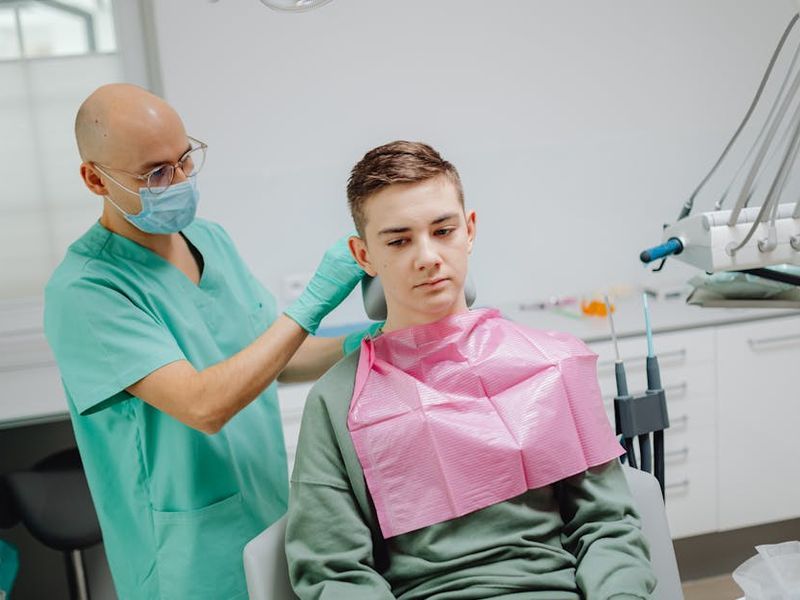
A full visit usually includes a visual exam, periodontal assessment (gum health), professional cleaning (scaling and polishing), and X-rays if needed. Many clinics offer digital X-rays and panoramic imaging. After the assessment you will get a treatment plan with estimated costs and suggested timelines.
First-visit checklist for expats
- Bring any dental records or X-rays from your home country (USB or printed copies are helpful).
- List of current medications and medical conditions.
- Photo ID and any local or international insurance documents.
- Be prepared to explain dental history in Spanish or bring a translator.
Signs you should see a dentist right away
Some issues need prompt attention rather than waiting for a routine check-up:
- Persistent toothache or localized pain.
- Swelling in the face, jaw or gums — signs of infection.
- Bleeding gums while brushing or flossing.
- Loose teeth or sudden changes in bite.
- Sores or white/red patches that don’t heal in two weeks.
Cuenca takes dental emergencies seriously — many clinics have designated emergency hours and pharmacies nearby that can provide temporary relief until you see a dentist.
Cuenca has a range of dental services: small private practices, modern multi-disciplinary clinics, and university-affiliated centers where trainees work under supervision. Many expats choose private clinics for convenience and English-speaking staff, but community clinics and university clinics can be excellent, budget-friendly options.
How to find a good dentist
- Ask fellow expats on local Facebook groups or meetups — word-of-mouth is invaluable.
- Check online reviews, but read several rather than relying on one or two posts.
- Verify membership with the local dental association (Colegio de Odontólogos del Azuay) where possible.
- Visit clinics in person to assess cleanliness, sterilization protocols and staff communication.
Costs and budgeting: what to expect
One reason many expats in Cuenca appreciate local dental care is affordability. Costs vary by clinic, materials and the complexity of treatment, but approximate ranges (USD) you might expect are:
- Routine exam: $15–$40
- Professional cleaning: $25–$70
- Simple filling (composite): $40–$120
- Root canal (single-rooted): $120–$350; multi-rooted more
- Crown: $200–$600 depending on material
- Dental implant: $800–$1,800 per implant depending on components
These are ballpark figures and can change based on the clinic, the lab used for prosthetics, and whether high-end materials (e.g., zirconia crowns) are chosen. Always ask for an itemized estimate and whether warranties apply.
Payment, insurance and public options
Most expats pay out-of-pocket because private dental care in Cuenca is generally cheaper than in North America. If you’re employed and part of Ecuador’s social security (IESS), some basic dental services may be covered for contributors. International health plans or dental add-ons can help for major procedures — check policy limits and in-network providers.
Tips for minimizing surprise bills
- Ask for an itemized written estimate before starting non-emergency treatment.
- Get second opinions for major, multi-step work like full-mouth reconstructions.
- Confirm whether lab fees, temporary crowns and follow-up visits are included.
Cultural and language tips for dental visits
Spanish is the norm. Many dentists and staff in Cuenca speak some English, especially in clinics that serve expats near El Centro and the neighborhoods where foreigners concentrate. Still, learning a few dental phrases or bringing a friend to translate will make the visit smoother.
Useful Spanish phrases
- Me duele aquí = It hurts here.
- Tengo sensibilidad al frío = I have sensitivity to cold.
- ¿Cuánto costará esto? = How much will this cost?
- ¿Tiene garantía este trabajo? = Does this work have a warranty?
Preventive care you can do at home in Cuenca
Routine oral hygiene is the foundation of fewer dental visits and lower costs. Follow these practical tips adapted to life in Cuenca:
- Brush at least twice daily with fluoride toothpaste and a soft-bristled brush.
- Floss daily or use interdental brushes — especially important if you have bridges or tight contacts.
- Limit sugary snacks and frequent sipping of sweet drinks; Ecuadorian fruit juices and snacks can be high in sugar.
- Use a tongue scraper or brush your tongue to reduce bad breath and bacteria.
- Consider an electric toothbrush for better plaque control if recommended by your dentist.
Special considerations for expats: travel, time constraints and dental tourism
Many expats plan major dental work to take advantage of lower prices in Ecuador, combining appointments with travel. If you’re doing this from abroad or even from within Ecuador, keep these points in mind:
- Schedule consultations in advance and allow time for impressions and lab work — some crowns and prosthetics require 7–14 days or more.
- If you’ll be away after an invasive procedure (like implant surgery), make sure you have local contacts for follow-up care or emergency help.
- Verify the brands and warranties for implants, crowns and other imported materials; ask for documentation and guarantees in writing.
Safety and sterilization: what to look for
Modern clinics in Cuenca generally follow strict infection control. On your first visit, notice whether staff wear gloves and masks, if instruments are sealed after sterilization, and whether the clinic displays certificates of sterilization equipment maintenance. Don’t hesitate to ask how instruments are sterilized — a reputable clinic will be transparent.
When complex treatment is recommended: questions to ask
Before committing to crowns, root canals, implants or cosmetic work, ask these questions:
- What are the alternatives and their pros/cons?
- What materials will be used and why?
- How many visits are required, and how long between them?
- What is the total cost, including lab fees and follow-ups?
- Is there a written guarantee or follow-up care included?
Aftercare in Cuenca: pharmacies, pain relief and follow-up
Pharmacies in Cuenca are plentiful and staff usually can recommend over-the-counter pain relief such as ibuprofen or acetaminophen. If your dentist prescribes antibiotics or stronger analgesics, fill them at a trusted pharmacy and complete the course as directed. Keep your follow-up appointments — especially after root canals, implants or extractions — to ensure healing is on track.
Final checklist for maintaining dental health as an expat in Cuenca
- Book an initial check-up shortly after arriving, even if you feel fine.
- Create a local dental file: copies of X-rays, treatment plans and warranties saved digitally.
- Keep up with cleanings and recommended recall intervals.
- Use expat networks and local associations to find and vet dentists.
- Budget for occasional unexpected care — saving a small emergency fund for dental needs is wise.
Wrapping up: invest now to avoid trouble later
Regular dental check-ups are a small time and financial investment that pay off by preserving oral health, saving money in the long run and avoiding emergencies. In Cuenca you have access to competent, affordable dental care — take advantage of local resources, learn how the system works, and build a relationship with a trusted dentist. Your future smile (and your wallet) will thank you.
Adam Elliot Altholtz serves as the Administrator & Patient Coordinator of the “Smilehealth Ecuador Dental Clinic“, along with his fellow Expats’ beloved ‘Dr. No Pain‘, right here in Cuenca, Ecuador, and for purposes of discussing all your Dental needs and questions, is available virtually 24/7 on all 365 days of the year, including holidays. Adam proudly responds to ALL Expat patients from at least 7:00am to 9:00pm Ecuador time, again every single day of the year (and once more even on holidays), when you write to him by email at info@smilehealthecuador.com and also by inquiry submitted on the Dental Clinic’s fully detailed website of www.smilehealthecuador.com for you to visit any time, by day or night. Plus, you can reach Adam directly by WhatsApp at +593 98 392 9606 -or by his US phone number of 1‐(941)‐227‐0114, and the Dental Clinic’s Ecuador phone number for local Expats residing in Cuenca is 07‐410‐8745. ALWAYS, you will receive your full Dental Service in English (NEVER in Spanish), per you as an Expat either living in or desiring to visit Cuenca by your Dental Vacation, plus also to enjoy all of Ecuador’s wonders that are just waiting for you to come arouse and delight your senses.