
Table of Contents
Why Routine Dental Check-Ups Matter — More Than Just a Cleaning
Regular dental check-ups are the best defense against pain, expensive treatments, and slow-developing oral diseases. In Cuenca — where many expats enjoy a slower pace of life and lower health-care costs — routine visits to a trusted dentist help you keep that relaxed, confident smile while catching problems early. Beyond cosmetic concerns, dental exams screen for gum disease, oral cancer, and systemic conditions that show signs in the mouth.
What Happens During a Typical Check-Up in Cuenca
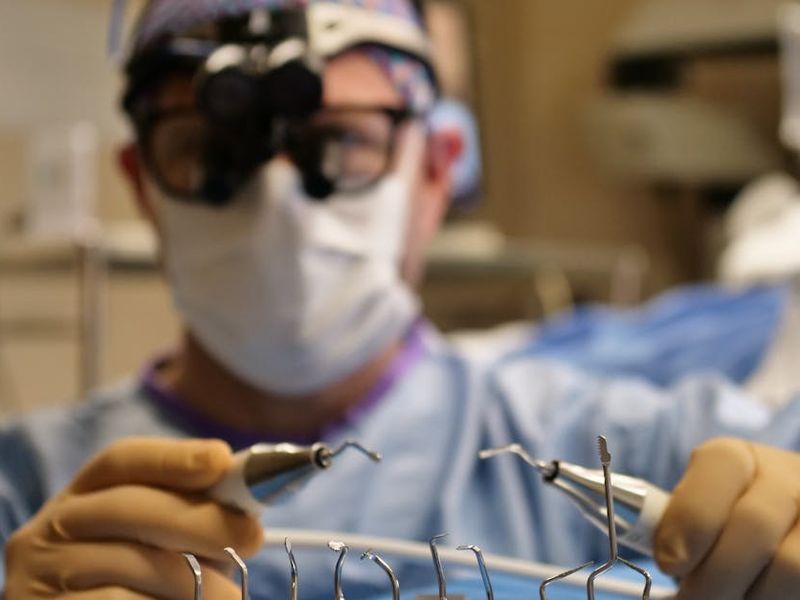
Most routine visits follow a predictable pattern, whether you go to a small private clinic or a larger practice that caters to internationals. Expect an initial discussion of your oral health history and any current issues, followed by a visual exam of teeth, gums, jaw joints, and soft tissues. Hygienists or dentists perform scaling and polishing to remove tartar and stains; digital X-rays may be taken if needed; and your provider will chart any cavities, recession, or suspicious lesions.
At the end of the appointment you’ll receive personalized recommendations — a plan for fillings, periodontal treatment, or a simple recall interval. Good clinics in Cuenca will also discuss preventive steps and offer written estimates for any proposed treatment.
How Often Should You Go? Practical Frequency Guidelines
General guidance is a professional cleaning and exam every six months. But that interval depends on your risk profile:
- Low-risk adults with excellent oral hygiene: annual or every six to twelve months.
- People with gum disease or heavy plaque: every 3–4 months.
- Smokers, diabetics, or those on medications affecting saliva: more frequent care.
- Children and teens: check-ups every 3–6 months depending on cavity risk.
When you register at a clinic in Cuenca, ask the dentist their recall recommendation — they’ll tailor it to your needs.
Common Services You’ll Find in Cuenca Dental Clinics
Cuenca’s dental practices commonly offer a full spectrum of care: preventive cleanings, fillings (composite and amalgam), extractions, root canal treatment, crowns and bridges, implant placement, periodontal therapy, whitening, and cosmetic veneers. Many clinics also provide digital panoramic X-rays, intraoral cameras, and 3D imaging at larger centers.
For expats considering bigger projects (crowns, implants, or full-mouth rehab), Cuenca can be especially attractive: experienced dentists and on-site or nearby labs often mean shorter turnaround times and lower costs compared with North America and Europe.
How Much Will It Cost? Typical Price Ranges and Payment Tips
Ecuador uses the US dollar, which makes it easy for expats to understand pricing. In Cuenca, routine check-ups and cleanings are generally affordable compared to the U.S. or Canada. Approximate ranges (USD) you might encounter:
- Exam + cleaning: $25–$60
- Simple filling: $30–$100
- Extraction: $20–$80 (surgical extractions cost more)
- Root canal: $100–$300 depending on the tooth
- Crown: $200–$600 depending on material
- Dental implant: $700–$1,500 (implant + crown, varies widely)
Prices vary by clinic, materials, and the dentist’s experience. Most clinics accept cash (USD), credit/debit cards, and bank transfers. If you have international dental insurance, ask the clinic if they will process direct billing or provide itemized receipts for reimbursement.
Using Ecuador’s Health System: IESS and Private Routes
If you contribute to Ecuador’s social security (IESS), you may be eligible for dental services at public facilities. IESS services can be a cost-effective option for contributors, but wait times and the range of available procedures differ from private practices. Many expats choose private clinics for convenience, English-speaking staff, and faster service. When weighing options, consider urgency, the complexity of the procedure, and whether continuity of care matters for long-term dental work.
Finding the Right Dentist in Cuenca — Practical Criteria
Choosing a dentist is both practical and personal. Here’s a checklist of things to look for:
- Credentials: Verify the dentist’s degree and registration with relevant Ecuadorian dental associations.
- Hygiene and sterilization: Ask about autoclave protocols and infection control.
- Equipment: Digital X-rays, intraoral cameras, and modern sterilization gear are signs of investment in quality.
- Language: Look for bilingual (Spanish/English) staff if your Spanish is limited.
- Reviews and recommendations: Expat Facebook groups, Google reviews, and word-of-mouth from neighbors in areas with high expat populations can point you to reliable practitioners.
- Warranties and payment plans: For larger treatments, ask about guarantees and staged payments.
Practical Tips for Expats: Booking, Communication, and Paperwork
Make the most of your appointments with these expat-friendly tips:
- Bring ID, any health insurance or IESS documentation, and a list of medications.
- If you have previous dental records or X-rays, bring digital copies on a USB — that saves time and duplicate imaging.
- Use simple Spanish phrases in advance: “Necesito una cita” (I need an appointment), “¿Hay alguien que hable inglés?” (Is there someone who speaks English?), and “¿Cuánto costará aproximádamente?” (How much will it cost approximately?).
- Ask for an itemized treatment plan and estimate in writing before proceeding with non-urgent work.
- For complicated care, have a follow-up plan including who does the crown or lab work and what materials will be used.
Dental Emergencies in Cuenca — What to Do and Where to Go
Dental emergencies require prompt action. If you face severe pain, swelling, uncontrolled bleeding, or a knocked-out tooth, seek care the same day. Major private clinics and some hospitals in Cuenca provide emergency dental services. In a true emergency, visit a clinic with an on-call dentist or the emergency department of a hospital. Keep a small emergency kit at home with gauze, pain relievers, and a cold pack.
If a tooth is knocked out, handle it by the crown (not the root), rinse gently with saline or milk if dirty, and seek immediate dental attention — the sooner the better for successful reimplantation.
Aftercare and Preventive Habits Between Visits
A check-up is only part of good oral health. Daily habits make the difference:
- Brush twice daily for two minutes with a fluoride toothpaste.
- Floss or use interdental brushes once a day to remove plaque from between teeth.
- Limit sugary snacks and frequent sipping of sugary drinks; rinse with water after sweet foods.
- Use an antimicrobial mouthwash if your dentist recommends it, especially after periodontal treatment.
- Stay hydrated and avoid tobacco — quitting smoking dramatically improves gum health and healing.
For expats, maintaining these routines is simple in Cuenca: pharmacies (farmacias) are plentiful and staff can recommend brushes, pastes, and interdental tools. Many expats also join local fitness or wellness groups where health-oriented behaviors are reinforced by friends.
Dental Tourism and Larger Procedures — Why Cuenca Is an Option
Cuenca attracts many foreigners for dental work because of competitive pricing, skilled clinicians, and comparatively quick lab turnaround. If you’re planning crowns, bridges, or implants, consider these steps:
- Start with a comprehensive consultation and written treatment plan.
- Ask what materials will be used and whether the lab is local or outsourced.
- Plan for at least one or two follow-up visits; ask about emergency support if you return home before finishing the process.
- Confirm post-op care instructions in writing and get contact info for your dentist for follow-up questions.
Many clinics in Cuenca cater to international patients and will coordinate travel-friendly scheduling and clear billing in USD.
Common Questions Expats Ask — Quick Answers
Do I need to see a dentist if I have no pain?
Yes. Pain is often a late sign. Routine check-ups catch cavities, gum disease, and early signs of oral cancer before they become painful and expensive to treat.
Can I use my home-country dental insurance?
Some international insurers reimburse you after you pay; others have partner clinics. Ask your insurer about direct billing and out-of-country coverage before scheduling work.
Are dentists in Cuenca qualified?
Many dentists in Cuenca hold solid local qualifications and often complete continuing education. Seek clinics with modern equipment, transparent pricing, and good patient reviews.
Final Checklist Before Your Next Dental Visit in Cuenca
Use this quick checklist to prepare:
- Bring ID, insurance/IESS documents, list of meds, and past dental records.
- Confirm the appointment, language support, and payment options by phone or message the day before.
- Ask for an estimate in writing for any planned procedures.
- Discuss follow-up care and emergency contact details before you leave the clinic.
Conclusion — Make Check-Ups Part of Your Cuenca Routine
Routine dental check-ups are one of the simplest and most cost-effective ways to protect your overall health and quality of life while living in Cuenca. With accessible clinics, reasonable pricing, and an active expat community to guide you, it’s easy to build a relationship with a local dentist. Whether you need a quick cleaning or a complex restoration, good planning and regular maintenance will keep your smile bright and your dental expenses under control.
Book that first appointment, bring your questions, and enjoy the peace of mind that comes with proactive care — your smile will thank you.
Helpful Spanish Phrases for Dental Appointments
- “Necesito una cita con el dentista.” — I need a dentist appointment.
- “Tengo dolor de muelas.” — I have a toothache.
- “¿Aceptan tarjeta de crédito?” — Do you accept credit cards?
- “¿Pueden hablar en inglés?” — Can you speak English?
- “¿Cuánto costará aproximadamente?” — How much will it cost approximately?
Adam Elliot Altholtz serves as the Administrator & Patient Coordinator of the “Smilehealth Ecuador Dental Clinic“, along with his fellow Expats’ beloved ‘Dr. No Pain‘, right here in Cuenca, Ecuador, and for purposes of discussing all your Dental needs and questions, is available virtually 24/7 on all 365 days of the year, including holidays. Adam proudly responds to ALL Expat patients from at least 7:00am to 9:00pm Ecuador time, again every single day of the year (and once more even on holidays), when you write to him by email at info@smilehealthecuador.com and also by inquiry submitted on the Dental Clinic’s fully detailed website of www.smilehealthecuador.com for you to visit any time, by day or night. Plus, you can reach Adam directly by WhatsApp at +593 98 392 9606 -or by his US phone number of 1‐(941)‐227‐0114, and the Dental Clinic’s Ecuador phone number for local Expats residing in Cuenca is 07‐410‐8745. ALWAYS, you will receive your full Dental Service in English (NEVER in Spanish), per you as an Expat either living in or desiring to visit Cuenca by your Dental Vacation, plus also to enjoy all of Ecuador’s wonders that are just waiting for you to come arouse and delight your senses.