
Table of Contents
Why regular dental check-ups matter — beyond just a clean
Routine dental visits do far more than remove tartar and polish teeth. In Cuenca, where many expats and locals lead active lives, a preventive approach can save time, money, and discomfort. Regular check-ups allow your dentist to spot early signs of decay, gum disease, oral cancer, bite issues, and changes related to medications or chronic conditions. When problems are caught early, treatments are simpler, less invasive and less expensive.
How often should you visit a dentist in Cuenca?
The traditional recommendation is a dental check-up every six months, and that remains a good starting point. However, frequency should be personalized. Typical guidelines include:
- Every 6 months: Most adults with healthy mouths for routine cleaning and exam.
- Every 3–4 months: People with active gum disease (periodontitis), heavy tartar buildup, or weakened immune systems.
- Children: Begin check-ups with the first tooth and continue every 4–6 months depending on risk.
- Pregnant people: At least one dental visit during pregnancy; many dentists prefer scheduling non-emergency care in the second trimester.
- Seniors and those with implants or prostheses: As advised by your dentist, often every 3–6 months.
Discuss a tailored schedule with your dentist — they’ll base it on your oral health, medical history and lifestyle.
What to expect during a standard check-up in Cuenca
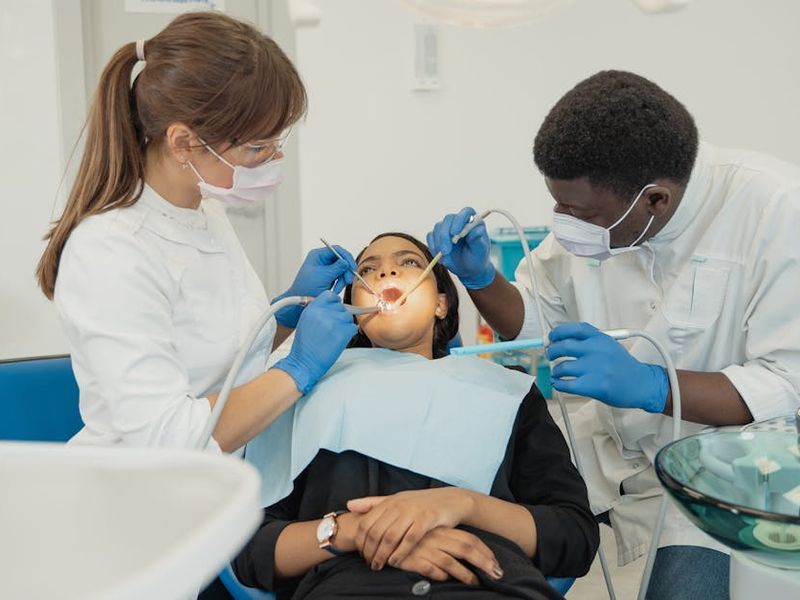
A typical consultation at a private clinic in Cuenca includes a visual exam, periodontal (gum) assessment, professional cleaning (scaling and polishing), and often digital X-rays or a panoramic radiograph when needed. Clinics frequently offer digital records and before/after photos, making follow-up easy for expats who travel.
Bring a list of medications, any dental history from previous providers, and questions about sensitivity, pain, or cosmetic concerns. If you prefer Spanish-language or bilingual staff, ask when booking — many dentists in larger Cuenca clinics are comfortable with English.
Costs and value: what you can expect to pay in Cuenca
Ecuador uses the U.S. dollar, which makes pricing straightforward. Cuenca is known for more affordable dental care than North America and Europe, but quality varies. Typical private clinic price ranges (approximate):
- Basic cleaning: $20–$60
- Fillings (composite): $30–$120 per tooth
- Root canal (premolar/molar): $150–$450
- Crown (porcelain/zirconia): $250–$800
- Single implant (implant + abutment + crown): $800–$2,000
These are ballpark figures. Always request a written estimate and treatment timeline. If a price seems unusually low, ask about the materials used, technician qualifications, and whether follow-up visits are included.
Finding the right dentist in Cuenca — tips for expats
Choosing a dentist is as much about trust as it is about skill. For expats settling in Cuenca, here are practical steps to find a reliable provider:
- Ask other expats: Facebook groups and local expat meetups are excellent sources of firsthand referrals.
- Check credentials: Look for dentists who graduated from accredited programs and who participate in continuing education.
- Visit the clinic: A quick walk-in can show you the facility’s cleanliness, sterilization practices and technology (digital X-rays, intraoral cameras).
- Ask about language: Many dentists in Cuenca speak English or will provide an interpreter; confirm during booking if language is a concern.
- Get a second opinion: For major work — implants, multiple root canals, or full-mouth restorations — consult two dentists before committing.
- Consider dental schools and clinics: Teaching clinics and university-affiliated programs may offer lower-cost care under supervision.
Emergency dental care in Cuenca: what counts and what to do
Dental emergencies include severe toothache, uncontrolled bleeding, facial swelling, knocked-out teeth, and infections with fever. If you have a life-threatening airway or breathing issue, call emergency services immediately. For dental-specific emergencies:
- Intense pain or swelling: Contact your dentist or an emergency dental clinic—abscesses can spread and require antibiotics and drainage.
- Knocked-out tooth (avulsion): If it’s a permanent tooth, handle by the crown (not the root), rinse gently, and keep moist in milk or saliva; see a dentist within 60 minutes if possible for best chance of reimplantation.
- Broken tooth causing bleeding or sharp edges: Cover with sugarless gum or dental wax for immediate comfort and see a dentist promptly.
Many Cuenca dentists reserve slots for same-day emergencies; save contact numbers before you need them. If you’re unsure where to go at night, hospital emergency departments can provide temporary relief and referrals.
Preventive care you can do at home in Cuenca
Daily habits have the biggest long-term impact on oral health. These practical behaviors work well in Cuenca’s urban environment:
- Brush twice daily with fluoride toothpaste for two minutes.
- Floss or use interdental brushes daily—particularly important if you have bridges or tight contacts.
- Limit sugary snacks and sodas; replace with water or unsweetened drinks. Since Ecuador uses bottled water often, keep a refillable bottle and avoid frequent sugary beverages.
- Stay hydrated—dry mouth increases risk of decay and is common with some medications and after altitude-related changes.
- Use a soft-bristled brush and replace it every three months or sooner.
- Discuss fluoride varnish or prescription-strength toothpaste if you have frequent decay.
Special considerations for expats: records, travel and insurance
Expats often juggle travel, healthcare coverage differences, and language barriers. Plan ahead:
- Bring prior dental records and X-rays when moving to Cuenca — digital copies are easiest to transfer.
- Ask for a written treatment plan and itemized invoice; these help with reimbursement claims from international insurers or U.S.-based plans.
- If you travel frequently, request temporary crowns or repairs that tolerate travel—ask your dentist about timing between appointments.
- Check whether your current insurer will reimburse care in Ecuador; many international plans provide partial coverage for emergency treatment abroad.
When to be more proactive: signs you should see a dentist sooner
Don’t wait for pain to act. Schedule an appointment if you notice:
- Persistent bad breath that doesn’t respond to brushing
- Bleeding gums when flossing or brushing
- Loose teeth or changes in how your bite fits together
- White or red patches in the mouth that don’t heal within two weeks
- Sensitivity to hot, cold or sweetness that persists
- Jaw pain, clicking, or difficulty opening fully
Early evaluation often means simpler care—gum therapy instead of surgery, small fillings instead of root canals, and spotting oral cancer at a curable stage.
Cosmetic and restorative dentistry in Cuenca: what expats should know
Cuenca has a growing cosmetic dentistry scene, with services such as veneers, teeth whitening, orthodontics and implants. If you’re considering elective cosmetic work:
- Request photos of past cases and ask about the lab that fabricates crowns and prostheses.
- Verify guarantees or warranties on work and the clinic’s policy for remakes or complications.
- Plan for multiple visits: many restorations require two or more appointments spread over weeks.
- For full-mouth reconstructions, consider staging treatment while you’re local for continuity of care.
Public vs private care in Ecuador: understanding your options
Ecuador’s public social security system (IESS) provides dental services to its members, often at lower cost but with longer wait times. Private clinics in Cuenca offer faster access, more advanced technology and greater flexibility for expats who prefer private pay. If you’re a new resident, ask about eligibility for IESS and whether your employer offers health benefits that include dental care.
Final checklist before your next dental visit in Cuenca
Use this quick checklist to get the most from your appointment:
- Confirm the clinic speaks your language or bring an interpreter.
- Bring prior dental records or a summary of past procedures.
- Write down symptoms and questions beforehand.
- Ask for a detailed cost estimate and written treatment plan.
- Check payment options: cash, card, or installment plans if needed.
- Schedule your next visit before leaving the clinic for easier follow-up.
Conclusion: Prevention is the best investment for your smile in Cuenca
For residents and expats in Cuenca, regular dental check-ups are an accessible and cost-effective way to protect your oral health. By combining routine professional care with daily preventive habits, you’ll reduce the risk of dental emergencies, control costs, and maintain a confident smile. Whether you prefer a small neighborhood clinic in El Centro or a modern private practice in one of Cuenca’s residential zones, take the time to find a dentist you trust — your future self will thank you.