
Table of Contents
Why the Southern Highlands of Ecuador Deserve a Spot on Your Itinerary
Ecuador’s southern highlands are a compact, varied region where colonial streets, cloud forests, and warm valley towns sit within a few hours of each other. This corridor — anchored by Cuenca, Loja, and the smaller town of Vilcabamba — offers a little bit of everything: high-Andean lakes, cloud-forest biodiversity, a thriving artisan scene, and a relaxed, health-oriented lifestyle in lower-elevation valleys.
If you want fewer crowds than the Galápagos, more culture than the coast, and a comfortable climate most months of the year, the Southern Highlands are an excellent choice. Below you’ll find practical guidance on how to travel between these towns, what to see and eat, and how to plan for weather, health, and local customs.
Quick Orientation: Altitudes, Climate and Best Times to Visit
Altitudes vary quickly in this region and that affects weather and activities. Cuenca sits at roughly 2,560 meters (8,400 ft), offering cool, spring-like weather year-round; Loja is lower at about 2,060 meters (6,760 ft) and is slightly warmer and drier; Vilcabamba lies in a valley around 1,500 meters (4,920 ft) and is known for its mild, almost sub-tropical climate.
The dry season generally runs from June to September and is the most popular time for hiking and outdoor activities. However, shoulder months (April–May and October–November) still bring pleasant weather and fewer tourists. Because the climate is microregional, pack layers and a lightweight rain jacket year-round — mornings can be chilly in Cuenca and hot by midday in Vilcabamba.
Getting Around: Routes, Transport Options and Timing
Public buses are reliable and affordable: expect a 3.5–4 hour bus ride between Cuenca and Loja, and roughly 40–60 minutes from Loja to Vilcabamba depending on service and stops. Bus departures are frequent from the main bus terminals in each city; buy tickets in advance for holiday travel.
Many travelers choose to rent a car for flexibility, which is great for exploring Podocarpus National Park and the smaller villages. Roads are generally in good condition but can be narrow and winding; drivers should be comfortable with mountain driving. Taxis and ride-hailing apps operate in Cuenca and Loja — confirm fares or ensure the driver uses the meter for city trips.
For day trips like Cajas National Park (west of Cuenca) or Podocarpus (near Loja), tour operators and colectivos (shared vans) are widely available. Shared shuttles between the three towns are another comfortable option if you prefer door-to-door service.
Cuenca: Highlights, Hidden Corners and Practical Tips
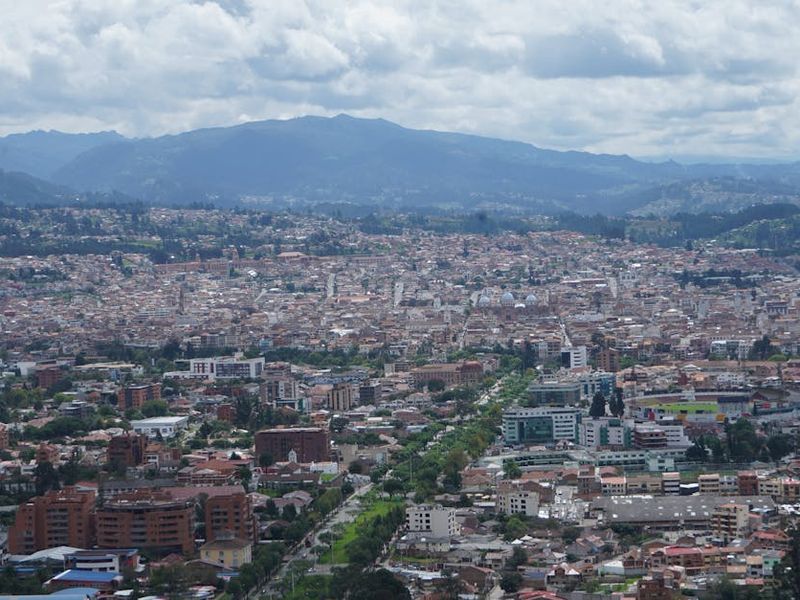
Cuenca is the colonial jewel of the south. Walkable and compact, its UNESCO-listed historic center centers on Parque Calderón, flanked by the blue-domed New Cathedral (Catedral de la Inmaculada Concepción) and the older red brick cathedral. Spend time wandering the cobblestone alleys of El Centro, watching artisan workshops produce Panama hats, leather goods, and silver jewelry.
Top sights: Pumapungo Archaeological Park and Museum (great for pre-Columbian history and ruins), the riverside barrios and museums along the Tomebamba River, the Mirador de Turi for sunset views over the city, and the weekly markets where you can sample local cheeses and fresh fruit.
Don’t miss a market visit: Mercado 10 de Agosto is a bustling food market where vendors sell everything from empanadas to fresh produce; nearby artisan markets offer textiles and toquilla hats. Food in Cuenca ranges from traditional highland fare — locro de papa (potato soup), hornado (roast pork), and cuy (guinea pig for the adventurous) — to excellent international restaurants and vegetarian options favored by the sizable expat community.
Practical tips: Cuenca’s tap water is generally considered safe to drink in the city, but carry a refill bottle if you’ll be hiking. Spanish will take you far; many hotels and tourist services speak English. For longer stays, explore the neighborhoods of San Sebastián and El Vergel for a quieter, local vibe.
Loja: The Cultural & Musical Heart of the South
Loja is smaller than Cuenca but radiates a cultural energy. Often referred to as Ecuador’s musical capital, Loja has a conservatory and regular concerts, and music is woven into daily life. The compact historic center is enjoyable to explore on foot: plazas, parks, and artisan shops make for relaxed wandering.
Nature lovers use Loja as a gateway to Podocarpus National Park, a biodiversity hotspot with cloud forest trails, birding opportunities (look for hummingbirds and toucans), and waterfalls. Hikes range from easy walks to multi-hour treks for experienced hikers, and guided tours help with finding the best birding spots and avoiding fragile trails.
Local cuisine highlights include fresh coffee (Loja’s microclimates are great for coffee farming), grilled trout from local streams, and hearty soups. Loja’s calendar is sprinkled with cultural festivals and small music events year round — check local listings to catch live performances.
Practical tips: Loja is warm compared to Cuenca, so lightweight clothing is more comfortable. Banking services and ATMs are readily available in Loja, but if you head into remote areas bring cash. Loja’s mid-size airport connects regionally, useful if you prefer flying to avoid long bus rides.
Vilcabamba: A Valley of Wellness, Hiking and Slow Travel
Vilcabamba has a reputation as a wellness hub — a picturesque valley where retirees and health-focused travelers gather. The town itself is small, with a main street of cafes, small markets, and wellness centers offering yoga, meditation and alternative therapies. The climate is spring-like almost year-round which lends itself to outdoor living.
Beyond the town, hiking opportunities abound. Trails lead to waterfalls, viewpoints, and quiet farmland. If you’re interested in nature, birding and watching the rich plant life are highlights. Local vendors sell fresh, local juices and organic fare — a reflection of the town’s health-focused culture.
Vilcabamba is also the place to slow down. Boutique eco-lodges, small farms that host guests, and wellness retreats are common. It’s a good spot for travelers looking to recover from long treks or who want a low-key base for exploring the southern valleys.
Practical tips: Don’t expect big banks or supermarkets in town; stock up in Loja if you need variety. Roads into Vilcabamba wind through valleys and may be rough in places — 4x4s are not required for the main route, but careful driving helps. Be mindful of local claims about extraordinary longevity; enjoy the lifestyle and fresh food without treating those stories as guaranteed health fact.
Day Trips & Nature: Cajas, Podocarpus and More
Two standout parks are easily reached from these towns. Cajas National Park is a high-altitude landscape of lakes, peat bogs, and dramatic vistas about 30–40 minutes from Cuenca. It’s ideal for hiking, with well-marked trails and the chance to see Andean birds and unique vegetation. Prepare for cold, windy conditions at elevation.
Podocarpus National Park near Loja is a world-class biodiversity area with cloud forests at multiple elevations. Trail options range from short walks to multi-hour treks to viewpoints and waterfalls. Hiring a local guide improves your odds of spotting wildlife, and guided birding tours are particularly rewarding.
Other outdoor activities include horseback riding in the valleys around Vilcabamba, waterfall-hopping, and mountain biking. Bring sturdy shoes, sunscreen, and a daypack with water and snacks for rural excursions.
Where to Eat and Sleep: Recommendations by Budget
Cuenca boasts a wide range of accommodations: boutique colonial hotels and charming guesthouses in the historic center for mid-range and luxury travelers; hostels and homestays in San Sebastián and near the river for budget travelers. Vilcabamba favors small eco-lodges and retreat centers, while Loja has practical mid-range hotels and a few cultural guesthouses.
Budget tip: In Cuenca, try local markets and small neighborhood restaurants (comedores) for high-quality, inexpensive meals. Look for the menu del día (daily special) at lunch for a filling local plate and a drink at a good price.
Foodie tip: Don’t miss trying local specialties like locro de papa, fresh trout, regional cheeses, and if you’re curious, cuy. For coffee lovers, buying freshly roasted beans from Loja or local micro-roasters makes a great souvenir.
Money, Safety and Practicalities
Ecuador uses the US dollar, which simplifies money matters for many travelers. ATMs are plentiful in Cuenca and Loja, though remote towns may have limited cash access — plan accordingly. Credit cards are commonly accepted in mid-to-high-end restaurants and hotels, but carry cash for markets, taxis, and small businesses.
Overall, the region is safe for tourists, though petty theft can occur in crowded areas. Common-sense measures — don’t flash expensive gear, use hotel safes, and stay aware of your surroundings — go a long way. If you plan to hike alone in remote areas, inform someone of your route and carry basic navigation tools and extra water.
Health note: Altitudes in Cuenca and Loja are high enough that some visitors experience mild altitude effects — headaches or shortness of breath. Take it easy the first 24 hours if you arrive from lower elevations, stay hydrated, and avoid heavy exertion until you feel acclimatized. Most travelers experience no serious issues.
Local Customs, Language and Responsible Travel
Spanish is the primary language. Learning a few phrases pays off: greetings, please/thank you, and basic market bargaining phrases. While English is more common in Cuenca’s tourist sector, less so in Vilcabamba and smaller towns — locals appreciate any effort to speak Spanish.
Respect local customs: a friendly cheek kiss is a common greeting in social situations, and tipping is customary but modest (10% is common in restaurants if service isn’t included). When photographing people, especially in rural or indigenous communities, ask permission first — many vendors and residents appreciate being asked and may ask for a small fee.
For responsible travel, support local artisans and small eateries, stick to marked trails to protect fragile ecosystems, and respect wildlife and private property. If you take guided tours, choose operators that engage and pay local guides fairly.
Sample 7-Day Itinerary
Day 1–2: Arrive in Cuenca. Explore the historic center, visit Pumapungo, and stroll along the Tomebamba River. Enjoy a rooftop sunset at Mirador Turi.
Day 3: Day trip to Cajas National Park for a lakeside hike, return to Cuenca for dinner at a mercado or a mid-range restaurant.
Day 4: Bus to Loja (morning). Afternoon city walk and an evening music performance if available.
Day 5: Day trip into Podocarpus for birding/hiking or relax and explore local coffee farms near Loja.
Day 6: Morning transfer to Vilcabamba. Afternoon hiking or a wellness session (yoga or spa).
Day 7: Explore surrounding trails, visit local markets, and travel back to Loja or Cuenca for departure.
Final Tips to Make the Most of Your Trip
Bring layered clothing and comfortable walking shoes; a small flashlight or headlamp is handy for rural stays. A reusable water bottle with a filter is useful if you plan to hike, though bottled water is widely available. If you’re driving, add extra time for winding mountain roads and stop frequently to enjoy vistas and villages — much of the magic happens between destinations.
Above all, slow down. The Southern Highlands reward travelers who wander, taste, and linger — savoring coffee in Loja, watching artisans in Cuenca, and taking long, easy hikes in Vilcabamba’s valley. Whether you’re chasing culture, nature, or a peaceful retreat, this corner of Ecuador offers a layered and rewarding experience.