
Table of Contents
Welcome to Cuenca’s Calm: Why the Pace Feels Different
Arriving in Cuenca, Ecuador, many newcomers comment on the same thing: the city seems to breathe slower. Historic plazas, afternoon paseo hours, and long lunches create a rhythm that can feel restorative—or frustrating—depending on your expectations. The trick isn’t to fight this tempo but to find practical ways to sync with it so you can enjoy a healthier, less stressed daily life.
Start with Your Mindset: Reframe ‘Slow’ as an Asset
The first adaptation is mental. If you come from a fast-paced city where productivity is measured in nonstop activity, Cuenca’s relaxed tempo can feel like a productivity penalty. Reframe your view: slower services often mean more careful work, better food, and more time to savor the simple things—coffee with a friend, a long walk along the Tomebamba River, or watching church bells at Plaza Calderón.
Practical mindset shifts
- Expect pauses: schedule fewer back-to-back appointments and allow buffer time between errands.
- Keep perspective: slower does not mean worse—many local services are thorough and dependable.
- Practice presence: treat downtime as intentional rest, not wasted time.
Health and Altitude: Start Slow, Stay Hydrated
Cuenca sits at about 2,500 meters (8,200 feet) above sea level, which shapes daily life. Newcomers often feel short of breath or tired for the first few days. Don’t confuse that initial fatigue with the city’s tempo—your body is adapting.
Altitude adaptation tips
- Hydrate. Drink water consistently; dehydration worsens altitude symptoms.
- Move gradually. Avoid intense exercise the first 48–72 hours. Gentle walks are perfect for acclimatizing.
- Eat light, frequent meals. Local soups like a hearty locro or warm broth can be soothing.
- Layer clothing. Temperatures swing between cool nights and sunlit afternoons—dress in layers to be comfortably flexible.
Design Routines That Fit Cuenca’s Day
One practical way to embrace Cuenca’s relaxed rhythm is to build routines that take advantage of the city’s natural flow. Many businesses—especially smaller shops—wind down mid-afternoon. Instead of forcing your schedule to mimic a hectic one, plan around those pauses.
Sample daily rhythm
- Morning (7–11am): Run errands, visit banks, government offices, and clinics while they are least crowded.
- Midday (noon–3pm): Enjoy a leisurely lunch, take a siesta or slow walk along the river, visit nearby markets when vendors are preparing fresh goods.
- Afternoon/evening (4–8pm): Meet friends at a café or stroll in a plaza—many cultural activities, small concerts and artisan booths pop up later in the day.
Eat Like a Local: Markets, Cafés, and Simple Rituals
Food culture is a core part of adapting to Cuenca’s slower pace. The city’s markets overflow with fresh produce and friendly vendors. Supermarkets like Supermaxi and neighborhood tiendas are convenient, but the true experience is a bowl of warm locro or a fresh empanada from a stall at Mercado 10 de Agosto or a local feria.
Food tips for adjusting
- Try morning rituals. Many locals enjoy coffee and a pastry at panaderías near plazas—make this your quiet ritual.
- Shop weekly. Visit a large market once a week and supplement with small shops—this slows the shopping churn and supports local vendors.
- Be curious. Taste local specialties like llapingachos (potato patties) or hornado (roast pork) to build cultural connection.
Getting Around: Walk, Bus, or Taxi with Confidence
Cuenca’s compact historic center makes walking one of the best ways to sync with the city’s pace. Sidewalks along the Tomebamba and the grid around Plaza Calderón are full of cafes, artisans, and small plazas, encouraging a pedestrian lifestyle. When you need to go further, buses and taxis are affordable and plentiful.
Transport practicalities
- Walk when you can. Streets in El Centro and surrounding neighborhoods are pedestrian-friendly and full of discovery.
- Learn the bus lines. Buses are cheap and frequent for longer trips; ask locals or use a simple map app to learn key routes.
- Keep small bills and coins. Taxis and quick purchases often work better with exact change.
Make Friends Without Isolating in an Expat Bubble
Cuenca has an active international community but it’s easy to stay in an expat bubble. To truly benefit from the city’s relaxed lifestyle, balance friendships with other expatriates and relationships with Ecuadorians.
Ways to build meaningful connections
- Join language exchanges or take a Spanish class—language learning opens social doors and shows respect for local culture.
- Volunteer locally. Community centers, schools, and conservation projects welcome help and provide a steady rhythm of engagement.
- Attend cultural events and patron saint festivals. These events are where neighborhoods come alive and community ties deepen.
Dealing with Services and Bureaucracy: Patience and Preparation
Government offices, banks, and some private services can be slower than you might expect. The best strategy is to prepare in advance and schedule important appointments in the morning.
Practical steps to smooth interactions
- Bring documentation. When dealing with official processes, bring extra copies of passports, residency paperwork and local IDs.
- Make appointments early. Reserve mornings for administrative tasks and leave afternoons for more flexible errands.
- Keep polite persistence. A calm, friendly follow-up often moves things along without stress.
Enjoy Slow Cultural Rhythms: Plazas, Churches, and Weekend Rituals
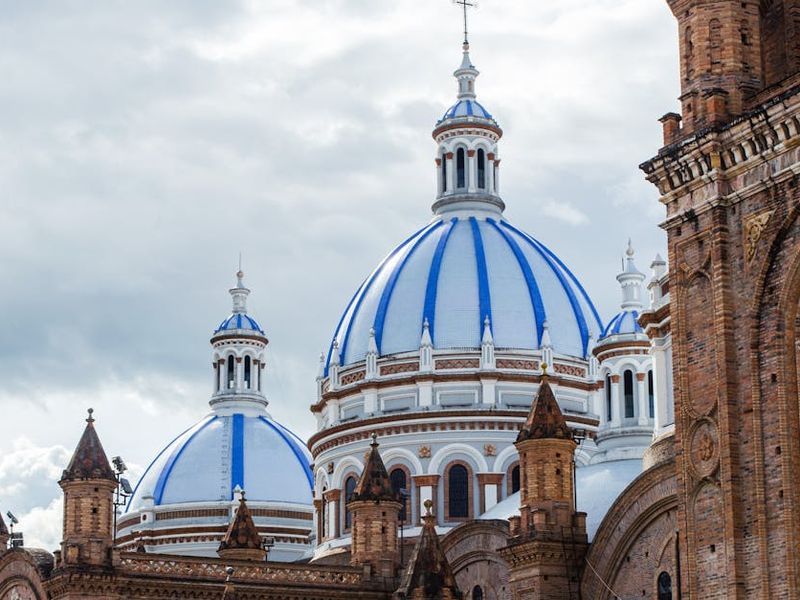
Cuenca’s historic heart—recognized as a UNESCO World Heritage site—is built around plazas and cathedrals. Spending time in these public spaces is not only pleasant; it’s a way to feel part of the city’s rhythm. Long coffees in a plaza, watching people come and go, or an impromptu concert in the evening all reinforce the slower tempo.
Weekend and evening rituals to try
- Paseo del sábado: take a long walk by the river or explore a different neighborhood each weekend.
- Attend local concerts or artisan markets in the evenings—these are often casual and welcoming.
- Take a day trip to El Cajas National Park for a nature reset; being in highland wilderness will help you slow down physically and mentally.
Work and Productivity: Create Structure That Matches the City
If you work remotely or run a business, designing a workday that blends focus and local tempo is key. Many professionals in Cuenca use coworking spaces, quiet neighborhoods, and midday breaks to maintain productivity without the constant urgency of larger cities.
Work strategies for balance
- Block focused work hours in the morning, reserve afternoons for meetings or low-stakes tasks.
- Use local cafés for creative work but have a dedicated space for concentrated tasks to minimize distractions.
- Take regular micro-breaks—walk five minutes outside to clear your head and re-engage.
Practical Safety, Money, and Healthcare Notes
Cuenca is considered one of Ecuador’s safer cities, and it offers good healthcare options. That said, practical preparation makes settling in smoother and reduces the friction that can make a slower city feel frustrating.
Key practical tips
- Health: register with a clinic or a doctor soon after arrival. Private clinics are generally fast and modern.
- Money: carry small denominations for taxis, markets, and tips. ATMs are available but use them in well-lit areas and during the day when possible.
- Safety: take normal urban precautions—avoid flashing valuables and be aware of your surroundings at night.
Language and Social Customs: Small Gestures, Big Impact
Spanish is the common language in Cuenca, and even a few phrases will transform interactions. Ecuadorians appreciate politeness in speech and small formalities such as greetings and farewells.
Language tips
- Learn greetings and basic courtesy phrases—‘buenos días’, ‘por favor’, and ‘gracias’ go a long way.
- Use usted with older people or in formal settings until invited to use tú.
- Practice listening more than speaking at first—locals will often slow down and help you understand.
Final Thought: Make Slowness Work for Your Life
Adjusting to Cuenca’s relaxed lifestyle is a skill you can cultivate. Treat the pace as a resource—an opportunity to declutter your calendar, deepen relationships, and discover creativity in the margin. With a few practical habits—planning mornings for errands, acclimating to altitude, learning Spanish basics, and building a gentle routine—you’ll not only survive the slower tempo, you’ll thrive in it.
Cuenca invites you to slow down and pay attention. Accept that invitation with curiosity, and the city will reward you with clearer mornings, warmer neighborhood ties, and a daily life that feels richer because it moves at a pace you can actually enjoy.
Adam Elliot Altholtz serves as the Administrator & Patient Coordinator of the “Smilehealth Ecuador Dental Clinic“, along with his fellow Expats’ beloved ‘Dr. No Pain‘, right here in Cuenca, Ecuador, and for purposes of discussing all your Dental needs and questions, is available virtually 24/7 on all 365 days of the year, including holidays. Adam proudly responds to ALL Expat patients from at least 7:00am to 9:00pm Ecuador time, again every single day of the year (and once more even on holidays), when you write to him by email at info@smilehealthecuador.com and also by inquiry submitted on the Dental Clinic’s fully detailed website of www.smilehealthecuador.com for you to visit any time, by day or night. Plus, you can reach Adam directly by WhatsApp at +593 98 392 9606 -or by his US phone number of 1‐(941)‐227‐0114, and the Dental Clinic’s Ecuador phone number for local Expats residing in Cuenca is 07‐410‐8745. ALWAYS, you will receive your full Dental Service in English (NEVER in Spanish), per you as an Expat either living in or desiring to visit Cuenca by your Dental Vacation, plus also to enjoy all of Ecuador’s wonders that are just waiting for you to come arouse and delight your senses.