
Table of Contents
Welcome to Cuenca: The Case for Slowing Down
Cuenca greets you with cathedral domes, cobblestone streets and a pace that feels deliberately measured. Life here is less about speed and more about savoring—morning markets, lingering lunches, riverside walks and a community that prioritizes time together. For newcomers used to the rush of big cities, adjusting to Cuenca’s relaxed lifestyle takes intention. This guide shares practical, on-the-ground tips that help you transition smoothly while enjoying the best of Azuay’s capital.
Understand What “Relaxed” Actually Means Here
When locals talk about Cuenca’s relaxed pace, they mean several things at once: slower customer service in small shops, more importance placed on social connections than on efficiency, and a daily rhythm shaped by the climate and culture. This doesn’t mean everything is slow or that services are poor—hospitals and essential businesses run efficiently—but you will need to change expectations and communication styles.
Key features of the pace
- Conversations and transactions that take longer because people are more relational.
- Business hours that can vary—some small stores may close midday while larger shops and supermarkets stay open.
- Weekend life that centers on plazas, markets and outdoor cafés rather than frantic errands.
Practical First Steps: Everyday Routines That Make the Transition Easier
Create a daily rhythm that leverages Cuenca’s strengths. Start with a slow morning—walk along the Tomebamba River or have a leisurely coffee near Parque Calderón. Schedule any necessary bureaucratic tasks for mid-mornings on weekdays when offices tend to be less crowded. Plan long social outings for weekends.
Morning habits
Cuenca’s climate is commonly called “eternal spring.” It’s often cool in the mornings, which makes early walks delightful. A routine of breakfast at a local panadería followed by a stroll can anchor your day and help acclimatize to the altitude (around 2,500 meters / 8,200 feet).
Afternoon and evening tips
Afternoons are perfect for siestas, reading, or visiting a museum like Museo Pumapungo. Evenings are when parks fill with families and street music; take advantage of that relaxed social hour to meet neighbors and practice Spanish in casual settings.
Neighborhoods and Where to Live: Match Your Tempo
Choosing the right neighborhood will shape how quickly you adapt. The historic center (Centro Histórico) puts you in the middle of cafes, museums and the cathedral life—ideal if you want to be plugged into cultural events and walking routes. If you prefer quieter, green spaces, look at neighborhoods on the city’s edges where homes often have gardens and local markets.
Suggested areas to explore
- Centro Histórico — Walkable, beautiful architecture, lively plazas and easy access to museums and restaurants.
- Turi / Miradores area — Offers panoramic views and a hilltop retreat when you need a slower pace and nature nearby.
- Outlying residential barrios — More space and gardens; a good fit for families or anyone wanting calmer nights.
Language and Social Customs: Small Adjustments, Big Gains
Spanish will open doors—and smiles. Ecuadorians tend to use “usted” more than travelers expect, even among acquaintances, as a sign of respect. Learning a handful of local phrases, greeting people warmly, and being patient if conversations take longer will help you integrate.
Practical language tips
- Take short daily lessons: 20–30 minutes of vocabulary practice helps more than occasional long sessions.
- Practice in context—buy coffee in Spanish, chat with market vendors, or join a conversation group at a local language school.
- Use respectful forms (usted) until invited to use tú or a more familiar form.
Healthcare and Wellbeing: Accessing Services Calmly and Confidently
Cuenca has a good mix of public and private healthcare. Private clinics and specialists are easily accessible in the city and many doctors are accustomed to working with expats. If you’re moving long-term, register for local healthcare options, learn how to get prescriptions filled at neighborhood pharmacies and consider international health insurance while you transition.
Health tips for the first weeks
- Acclimate to altitude gradually—avoid intense physical exertion for the first few days, hydrate, and eat easily digestible foods.
- Protect yourself from sun exposure—higher altitude increases UV intensity, so sunscreen and hats are important.
- Carry basic medicines and know where the nearest clinics and pharmacies are to your home.
Transportation: Move Slowly, But Not Inconveniently
Cuenca is highly walkable in the center. Walking along the Río Tomebamba or across the Puente Roto is a favorite daily ritual for many residents. For longer trips, taxis are inexpensive and readily available; ride-hailing services may also operate—check current local regulations. Public buses serve many neighborhoods and are very affordable, though they can be crowded during rush hour.
Getting around tips
- Keep a small balance in local currency for buses and markets—cash is still king in many places.
- Learn a few taxi phrases and agree on a fare for short rides if a meter isn’t used.
- Consider a bike for short commutes—Cuenca’s topography has some hills, so test routes first.
Food, Markets and Eating Slower
Food in Cuenca is a pleasure. Explore neighborhood markets and sample local staples—creamy locro de papa, hornado (roast pork), and helados de paila (handmade ice cream). Markets are social spaces as much as shopping spots: vendors often have time for a chat, and meals are meant to be enjoyed unhurriedly.
Shopping and dining strategies
- Visit mercados early for the freshest produce and the most convivial atmosphere.
- Try local eateries (comedores) for affordable, homemade-style meals—request recommendations from neighbors.
- Take your time at cafés—many are designed for lingering with a book or meeting a friend over coffee.
Making Community: Where to Meet People and Find Purpose
Cuenca’s social life thrives on clubs, cultural groups and volunteer organizations. There are active expat meetups, language exchanges, university lectures open to the public, and seasonal festivals. Finding a regular weekly activity—volunteering at a local school, joining a hiking group for El Cajas trips, or attending a painting class—will cement your sense of belonging.
Practical ways to connect
- Join community classes—art, dance, or cooking are social and skill-building.
- Volunteer with local NGOs or cultural centers—this accelerates friendships and local knowledge.
- Attend municipal events and concerts at Parque Calderón; these are relaxed and welcoming.
Work, Productivity and Respecting the Rhythm
If you work remotely, structure your day to match both your deadlines and Cuenca’s pace. For in-person meetings, be punctual but expect conversational openings that warm up before the business at hand. Small businesses may not operate with the same speed as what you’re used to—factor that into scheduling and deadlines.
Tips for remote workers and entrepreneurs
- Create a clear work routine: morning-focused productivity hours with afternoons for local errands or cultural activities.
- Choose coworking spaces in the city center for reliable internet and to meet other professionals.
- Use polite, patient communication when interacting with local vendors or partners—relationships matter.
Safety and Everyday Precautions
Cuenca is relatively safe compared to larger Ecuadorian cities, but petty theft and scams can happen. Keep valuables out of sight, use secure bags while walking busy streets, and avoid poorly lit areas at night. Familiarize yourself with emergency numbers and the location of the nearest police station and clinic.
Practical safety steps
- Keep photocopies of important documents and store digital backups.
- Blend in—avoid flashy jewelry and obvious displays of expensive tech when walking in markets.
- Ask neighbors or hosts about areas to avoid after dark and follow their local knowledge.
Leisure and Day Trips: Embrace Slow Adventure
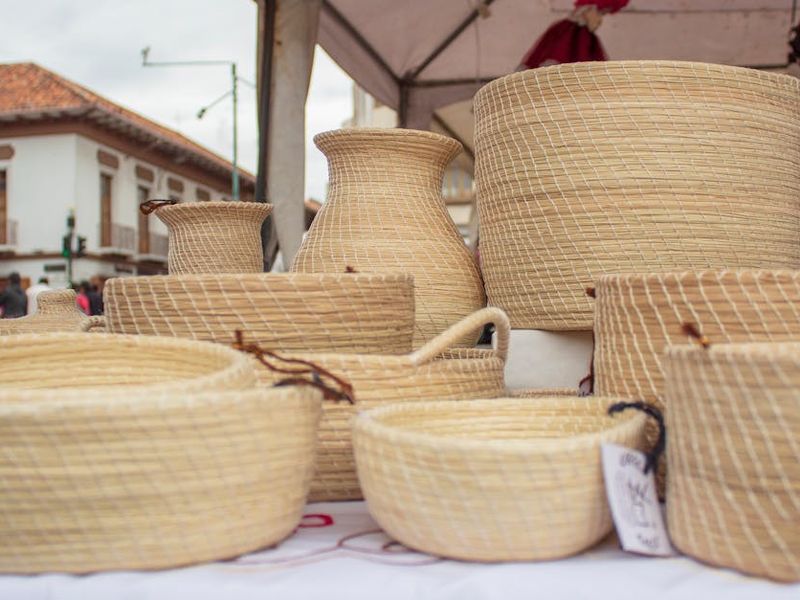
Leisure in Cuenca is often about low-impact adventure. Spend weekends wandering artisanal markets, riding out to El Cajas National Park for a picnic and easy hikes, or discovering nearby towns with colonial charm. Day trips are plentiful and allow you to experience Ecuador’s geographic diversity without racing through experiences.
Must-do relaxed activities
- Stroll the riverside walkways and discover hidden cafés tucked into side streets.
- Visit Museo Pumapungo for a blend of archaeological exhibits and quiet gardens.
- Take a guided, slow-paced trip to El Cajas to enjoy lakes and highland scenery without the sprint.
Maintaining Your Mental Rhythm: Embrace Patience and Curiosity
Adapting to Cuenca’s pace is as much mental as logistical. Expect to feel impatient at first—it’s natural. Practice small daily rituals that cultivate patience: mindful walks, journaling after your morning coffee, or cooking one Ecuadorian dish a week. Viewing the slower pace as an opportunity rather than an obstacle will transform your experience.
Self-care routines that help
- Keep a weekly calendar with both work tasks and leisurely activities—this balances productivity with presence.
- Join a yoga studio or tai chi group—many residents use these practices to manage altitude-related fatigue and stress.
- Build in micro-adventures—try a new market, a neighborhood you haven’t explored, or a new recipe each weekend.
Final Thoughts: Slow Down to Discover More
Adapting to Cuenca’s relaxed lifestyle is an invitation: to notice the town’s textures, to build deeper relationships, and to find a daily rhythm that nourishes rather than exhausts. With practical planning—choosing the right neighborhood, pacing your days, learning the language, and joining community activities—you won’t just survive the slow life; you’ll thrive in it. Take your time. Sit on a plaza bench. Listen. The city rewards those who slow down.
Ready to start? Begin with one small change: tomorrow morning, skip the rush and walk to a café you haven’t tried. Let the city show you how richly paced life can be.
Adam Elliot Altholtz serves as the Administrator & Patient Coordinator of the “Smilehealth Ecuador Dental Clinic“, along with his fellow Expats’ beloved ‘Dr. No Pain‘, right here in Cuenca, Ecuador, and for purposes of discussing all your Dental needs and questions, is available virtually 24/7 on all 365 days of the year, including holidays. Adam proudly responds to ALL Expat patients from at least 7:00am to 9:00pm Ecuador time, again every single day of the year (and once more even on holidays), when you write to him by email at info@smilehealthecuador.com and also by inquiry submitted on the Dental Clinic’s fully detailed website of www.smilehealthecuador.com for you to visit any time, by day or night. Plus, you can reach Adam directly by WhatsApp at +593 98 392 9606 -or by his US phone number of 1‐(941)‐227‐0114, and the Dental Clinic’s Ecuador phone number for local Expats residing in Cuenca is 07‐410‐8745. ALWAYS, you will receive your full Dental Service in English (NEVER in Spanish), per you as an Expat either living in or desiring to visit Cuenca by your Dental Vacation, plus also to enjoy all of Ecuador’s wonders that are just waiting for you to come arouse and delight your senses.