
Table of Contents
Why Cuenca Is a Top Choice for Dental Tourism
Cuenca, Ecuador, has become a popular destination for dental travelers seeking quality care at lower prices. Blessed with a mild mountain climate, a walkable historic center, and a growing number of modern dental practices, Cuenca offers the combination many patients want: accessible specialists, reputable labs, and the opportunity to recover while enjoying a beautiful colonial city.
Understand What ‘Value’ Really Means
Price matters, but value includes safety, materials, guarantees, and post-op support. A lower cost is attractive, but the smartest travelers look for the whole package: credentialed dentists, transparent treatment plans, quality implant brands or crown materials, proper sterilization and imaging equipment, and a clear warranty or repair policy.
Do In-Depth Research Before You Book
Start your research at least 6–8 weeks ahead of travel. Steps to take:
- Ask for dentists’ diplomas, specialty certifications, and membership in professional associations.
- Request recent before-and-after photos of similar cases, plus references or patient testimonials you can verify online.
- Find out which implant or prosthetic brands the clinic uses (ask for specific manufacturer names and serial numbers if possible).
- Confirm infection control protocols and whether the clinic uses digital X-rays and CBCT scans for implant planning.
- Compare private clinics to university dental clinics (Universidad de Cuenca has a dental faculty where supervised care can be lower cost).
Plan Your Treatment Timeline — Expect Two Models
Most dental vacation plans fall into two types: a single longer stay or two shorter visits. Complex implant-based treatment typically requires staged visits (extraction -> implant placement -> healing -> final crown), so either:
- Plan two trips: one for surgery/implant placement and another 3–6 months later for final restorations; or
- Arrange an extended stay of 2–4 weeks if your case allows immediate loading or if you need temporaries while the lab finishes work.
Ask the clinic for a realistic timeline with contingencies for healing delays. Never book a tight sightseeing schedule the day after major oral surgery.
Budget Smartly — Beyond Procedure Fees
Factor in more than the advertised procedure price. Typical additional costs include:
- Round-trip flights to Mariscal Lamar (Cuenca) airport (CUE) or flights to Quito/Guayaquil plus a domestic connection and ground transport to Cuenca.
- Accommodation — choose a comfortable, clean hotel or Airbnb close to your clinic to minimize travel when sore (El Centro near Parque Calderón is convenient).
- Local transfers (taxis, registered transport, or hotel shuttles).
- Medications and aftercare items like antibiotics, pain relievers, specialty mouthwashes, and cold packs.
- Contingency funds for unexpected additional treatments (e.g., bone grafting) or an emergency return visit.
Cuenca uses the US dollar, which simplifies budgeting. Still, check whether a clinic accepts credit cards, bank transfers, or prefers cash, and whether any payment carries fees.
Choose Where to Stay — Neighborhoods That Make Recovery Easier
Comfort and convenience help recovery. Consider these areas:
- El Centro (Historic Center) — walking distance to many dental offices, pharmacies, and restaurants; lively but a good choice if you want quick access to care.
- Tomebamba / San Sebastián — quieter riverside streets with easy pedestrian paths for gentle walks after procedures.
- Yanuncay and Miraflores — residential neighborhoods with quieter streets and good apartment options for longer stays.
Book accommodation with easy access to a grocery store (for soft foods) and good Wi‑Fi so you can communicate with your dentist between visits.
Travel Logistics and Health Precautions
Cuenca sits at about 2,560 meters (8,400 feet) above sea level. While most visitors tolerate the altitude well, it’s important for dental travelers to be aware of how elevation affects healing:
- Altitude can increase fatigue, dizziness, and may slightly slow initial healing—allow extra rest days after surgery.
- Stay hydrated, avoid strenuous hikes (save Turi viewpoint excursions for later), and follow your dentist’s instructions for activity limits.
If you take blood thinners or have complex medical conditions, bring a letter from your primary physician and coordinate with your Cuenca dentist before any surgical work.
Clear Communication: Get Everything in Writing
Before you pay or travel, insist on a written treatment plan that includes:
- Detailed procedures with step-by-step expectations.
- Exact materials and brands to be used.
- Estimated timelines and number of visits.
- Itemized costs and refund/repair policies.
- Post-op care instructions and emergency contact numbers.
This documentation protects you and helps avoid misunderstandings. If your Spanish is limited, ask for documents in English or hire a local interpreter for initial consultations.
Post-Op Care in Cuenca — Practical Tips for Faster Recovery
Follow these practical tips once you’ve had an extraction, implant placement, or crown preparation:
- Plan a soft-food menu: broths, purees, yogurts, scrambled eggs, smoothies (watch sugar), and blended soups. Supermarkets like Supermaxi stock familiar staples.
- Avoid smoking and alcohol for at least a week after surgery—both delay healing significantly.
- Use OTC pain relievers only as recommended by your dentist; avoid aspirin if your dentist advised against it due to bleeding risk.
- Sleep propped up for the first 48 hours to reduce swelling and avoid strenuous walking or climbing hills.
- Keep your follow-up appointments and ask for clear emergency instructions, including who to contact after hours.
How to Verify Clinic Quality — Red Flags and Green Flags
Green flags:
- Clear, patient-friendly explanations and visible imaging equipment (digital X-rays, CBCT).
- An actual sterile processing area you can ask about; staff who can explain infection control protocols.
- Transparent pricing, written guarantees, and post-op support for travelers.
- Positive, verifiable patient reviews with photos and dates—look for long-term follow-up images.
Red flags:
- Pressure tactics to pay full price before a detailed consultation or a refusal to provide credentials or material brand names.
- Unrealistic promises like same-day full-mouth implants and permanent crowns without temporary phases when your case clearly requires healing time.
- Dirty looking clinic spaces, or staff who are hesitant to explain sterilization, lab processes, or warranty terms.
Combining Recovery with Sightseeing — Low-Impact Activities
Cuenca is well-suited to slow, restorative travel. Gentle activities you can enjoy between appointments and while healing include:
- Strolling along the Tomebamba River and visiting the flower-lined walkways.
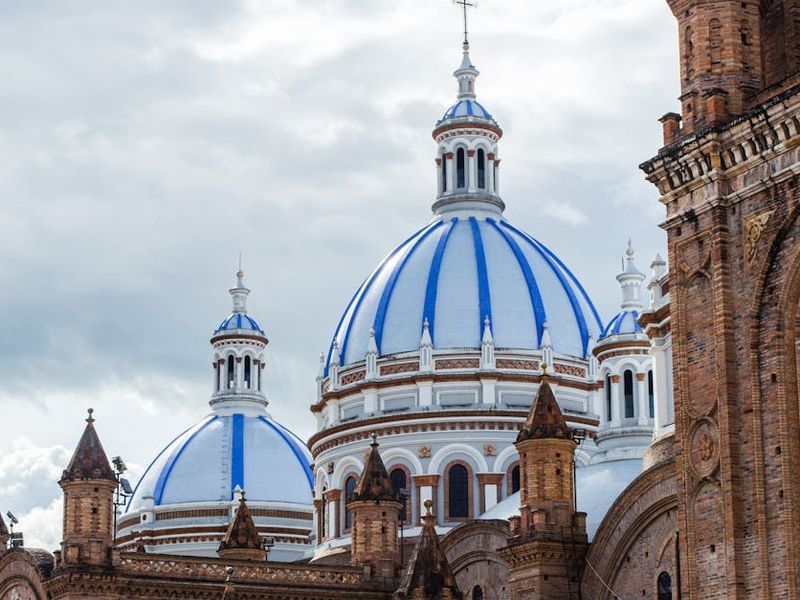
- Visiting Museo Pumapungo or the New Cathedral for indoor cultural time.
- Short, scenic drives to Mirador Turi for views without long hikes.
- Day trips to nearby artisan towns like Chordeleg (silver jewelry) and Gualaceo (textiles), but avoid long bumpy roads immediately after surgery.
Warranties, Follow-Up, and What To Do Back Home
Ask about warranties for restorations and implants. Many reputable clinics offer time-limited guarantees (e.g., one year) that cover lab-related issues or certain failures if you return to the same clinic. For long-term maintenance:
- Get a complete copy of charts, X-rays, and implant serial numbers to give to your dentist at home.
- Schedule a check-up with your local dentist within 4–6 weeks of returning home if you had major work done abroad.
- Keep in touch with the Cuenca clinic—email follow-ups and photos can often address minor concerns without another trip.
Insurance, Legal, and Safety Considerations
Most US/Canadian dental insurance plans do not cover international elective work, so verify in advance. Travel insurance rarely covers elective dental procedures but can be useful for medical emergencies unrelated to the elective treatment. Consider a contingency plan for complications that may require urgent attention—know the names of local hospitals and check whether your clinic collaborates with emergency facilities.
Useful Local Tips and Final Checklist
Before you finalize your dental vacation, run through this checklist:
- Get a written treatment plan, cost estimate, and timeline.
- Confirm materials/brand names and lab turnaround times.
- Book accommodation close to your clinic for recovery convenience.
- Arrange airport transfers in advance—Mariscal Lamar airport is small and taxis are quick into the city.
- Pack a medical kit with prescribed medications, soft-food supplies, and a translation app or phrasebook for dental terms in Spanish.
- Join local expat or dental tourism forums to read recent patient experiences in Cuenca.
- Plan for rest days; schedule sightseeing conservatively around major procedures.
With careful planning, clear communication, and realistic expectations, a dental trip to Cuenca can give you excellent value without sacrificing safety or quality. Take the time to vet clinics, understand timelines, and prepare for recovery—your smile and your travel memories will both thank you.
Adam Elliot Altholtz serves as the Administrator & Patient Coordinator of the “Smilehealth Ecuador Dental Clinic“, along with his fellow Expats’ beloved ‘Dr. No Pain‘, right here in Cuenca, Ecuador, and for purposes of discussing all your Dental needs and questions, is available virtually 24/7 on all 365 days of the year, including holidays. Adam proudly responds to ALL Expat patients from at least 7:00am to 9:00pm Ecuador time, again every single day of the year (and once more even on holidays), when you write to him by email at info@smilehealthecuador.com and also by inquiry submitted on the Dental Clinic’s fully detailed website of www.smilehealthecuador.com for you to visit any time, by day or night. Plus, you can reach Adam directly by WhatsApp at +593 98 392 9606 -or by his US phone number of 1‐(941)‐227‐0114, and the Dental Clinic’s Ecuador phone number for local Expats residing in Cuenca is 07‐410‐8745. ALWAYS, you will receive your full Dental Service in English (NEVER in Spanish), per you as an Expat either living in or desiring to visit Cuenca by your Dental Vacation, plus also to enjoy all of Ecuador’s wonders that are just waiting for you to come arouse and delight your senses.